

Pink Dawn Viburnum
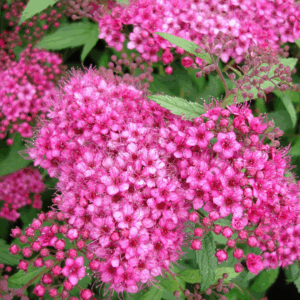
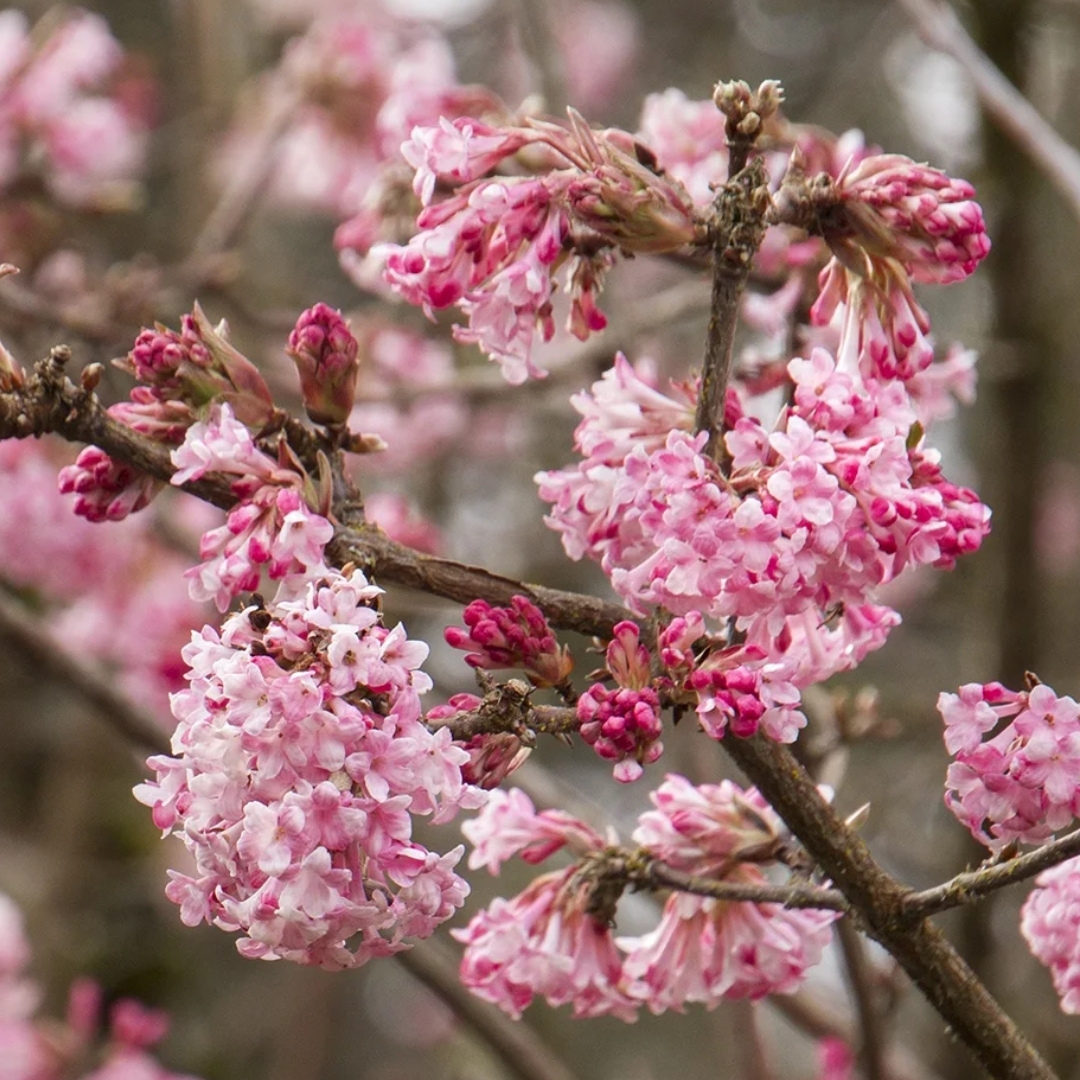
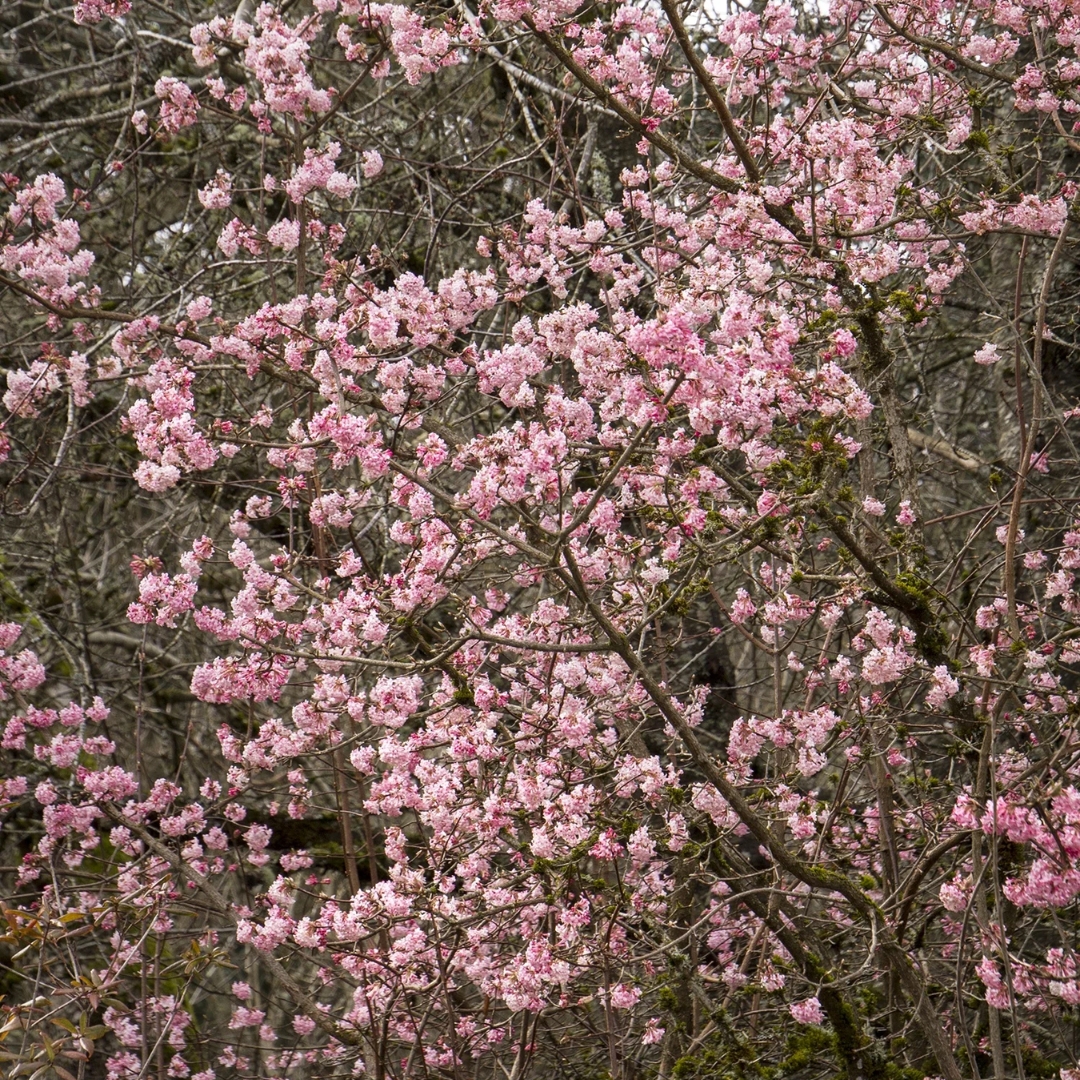
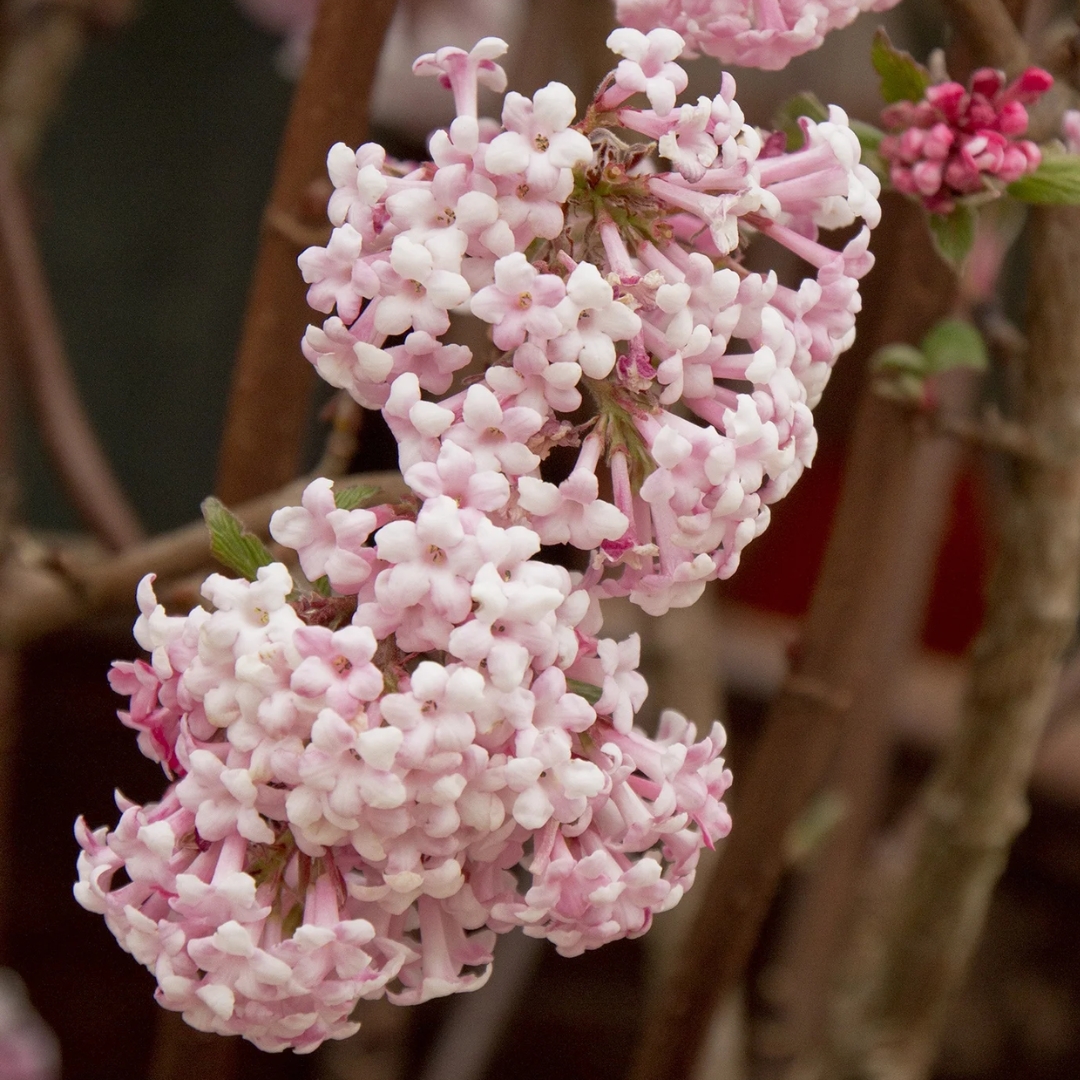
Viburnum × bodnantense ‘Pink Dawn’Pink Dawn Viburnum is a multi-season ornamental shrub that brings color, fragrance, and structural interest to landscapes when few other plants are in bloom. This upright, deciduous shrub is prized for its early spring display of fragrant, rosy-pink flowers that emerge on bare wood during late winter to early spring, offering visual impact and scent long before leaves appear. The blossoms are held in loose clusters along cinnamon-colored stems, adding winter aesthetic value to the garden even before flowering begins.
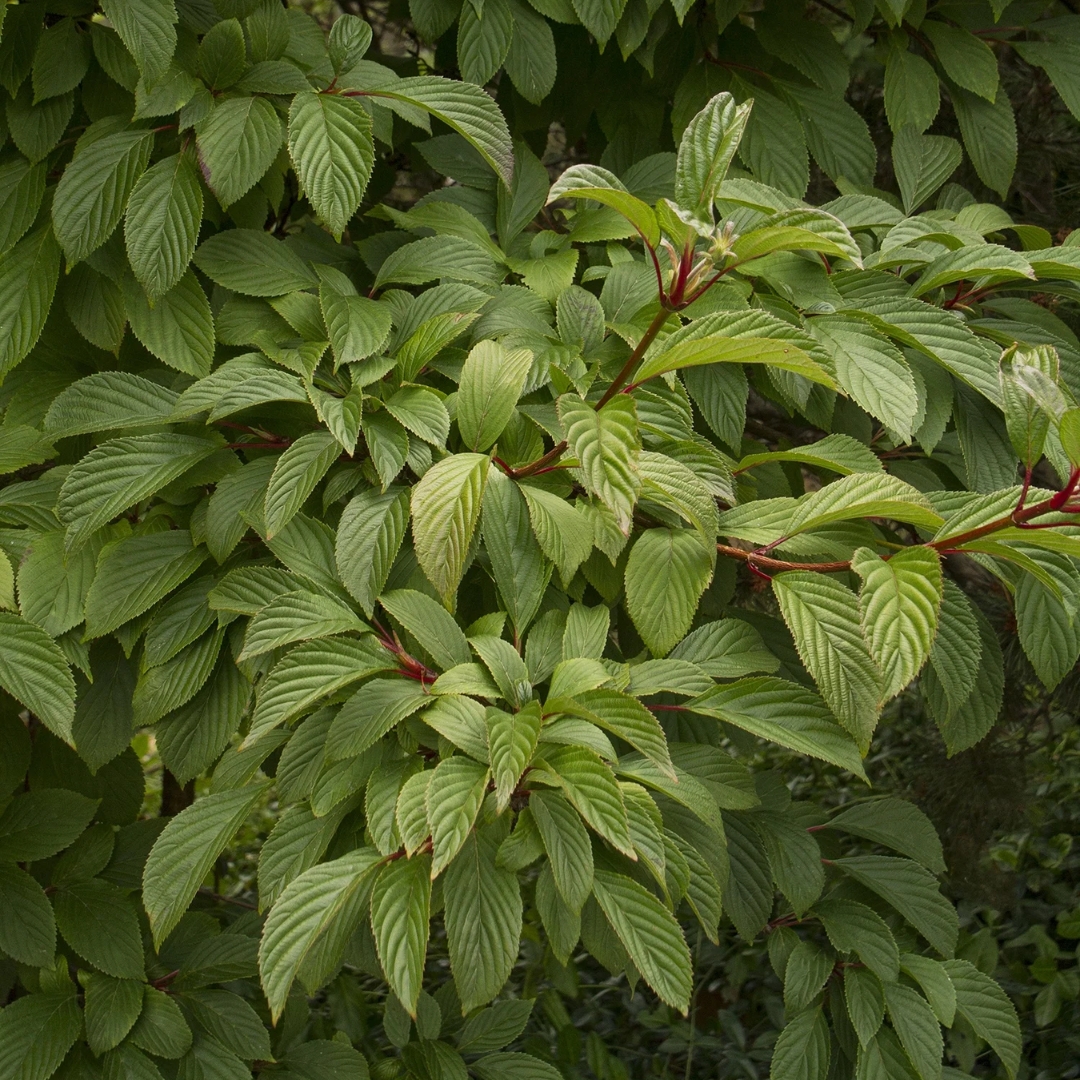
As temperatures warm and the flowers fade, a fresh canopy of rich green leaves develops, cloaking the shrub in lush summer foliage. By autumn, the foliage often transforms into attractive burgundy-red hues, bringing seasonal color change and enhanced landscape interest.
With a mature size typically reaching about 8 to 10 feet tall and 6 to 8 feet wide, Pink Dawn Viburnum makes a striking specimen alone or planted in groups for larger seasonal screens. Its moderate growth rate and manageable habit make it suitable for small to large landscapes alike. Despite its size, it remains refined and elegant, complementing borders, mixed shrub beds, hedges, or woodland edges.
Native to garden hybridization rather than local ecosystems, this viburnum combines selective breeding with classic ornamental traits, such as showy fragrant flowers, attractive fall color, and bird-friendly fruit. Its ability to adapt to varied garden conditions, including different soil types and climates within its USDA hardiness zones, makes it a versatile and dependable choice for gardeners seeking beauty for multiple seasons throughout the year.
Care & Maintenance:
Planting: Choose a location with full sun to partial sun exposure for best flower production and foliage health.
Soil: Prefers well-drained soil; tolerates a range of soil types, including clay and loam, if drainage is adequate.
Watering: Water deeply and regularly during the first growing season to establish a strong root system. Reduce watering frequency once established. Water during prolonged dry spells.
Fertilizing: Apply a balanced, slow-release fertilizer in early spring before new growth emerges to support blooms and healthy foliage.
Mulching: Apply a 2–3″ layer of organic mulch around the base of the shrub to conserve moisture, moderate soil temperature, and suppress weeds, keeping mulch away from stems.
Pruning: Prune immediately after flowering to maintain shape and remove dead or weak stems. Avoid late summer or fall pruning, which can reduce next season’s blooms.
Spacing: Space plants about 6–8 ft apart for proper mature size and airflow.
Maintenance: Remove any weak or crossing branches in late winter or early spring to encourage open structure and vigorous growth.
Whether adding early spring fragrance to paths and patios or enhancing traditional shrub borders, Pink Dawn Viburnum is valued for its layered seasonal performance and ease of upkeep. Its uplifting winter and early spring blooms signal the end of dormant seasons, while its foliage and structure support year-round interest.