

Peach Sorbet Blueberry
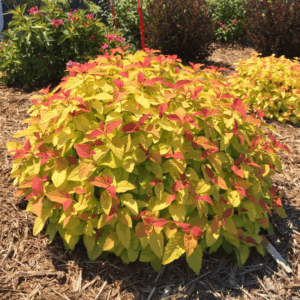
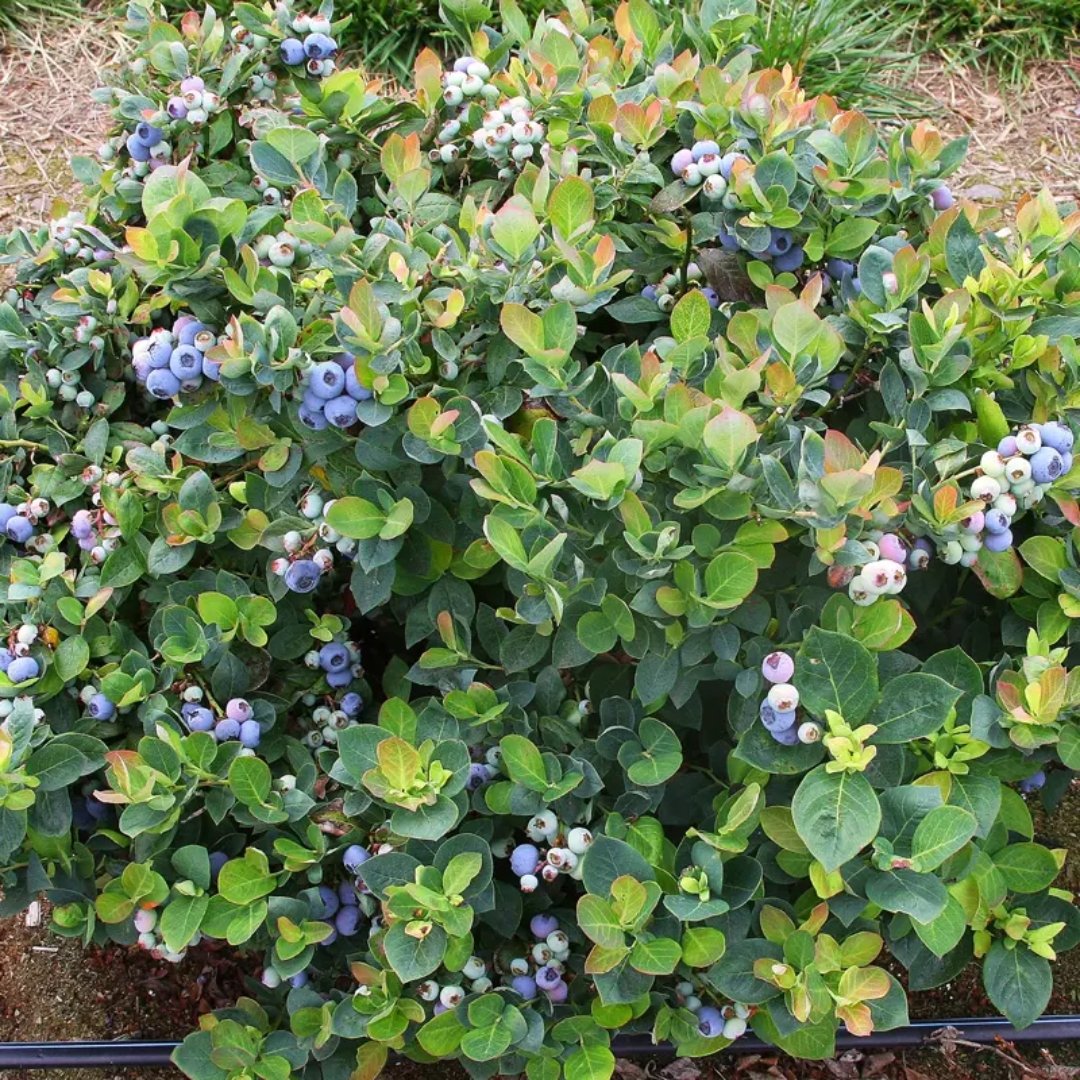
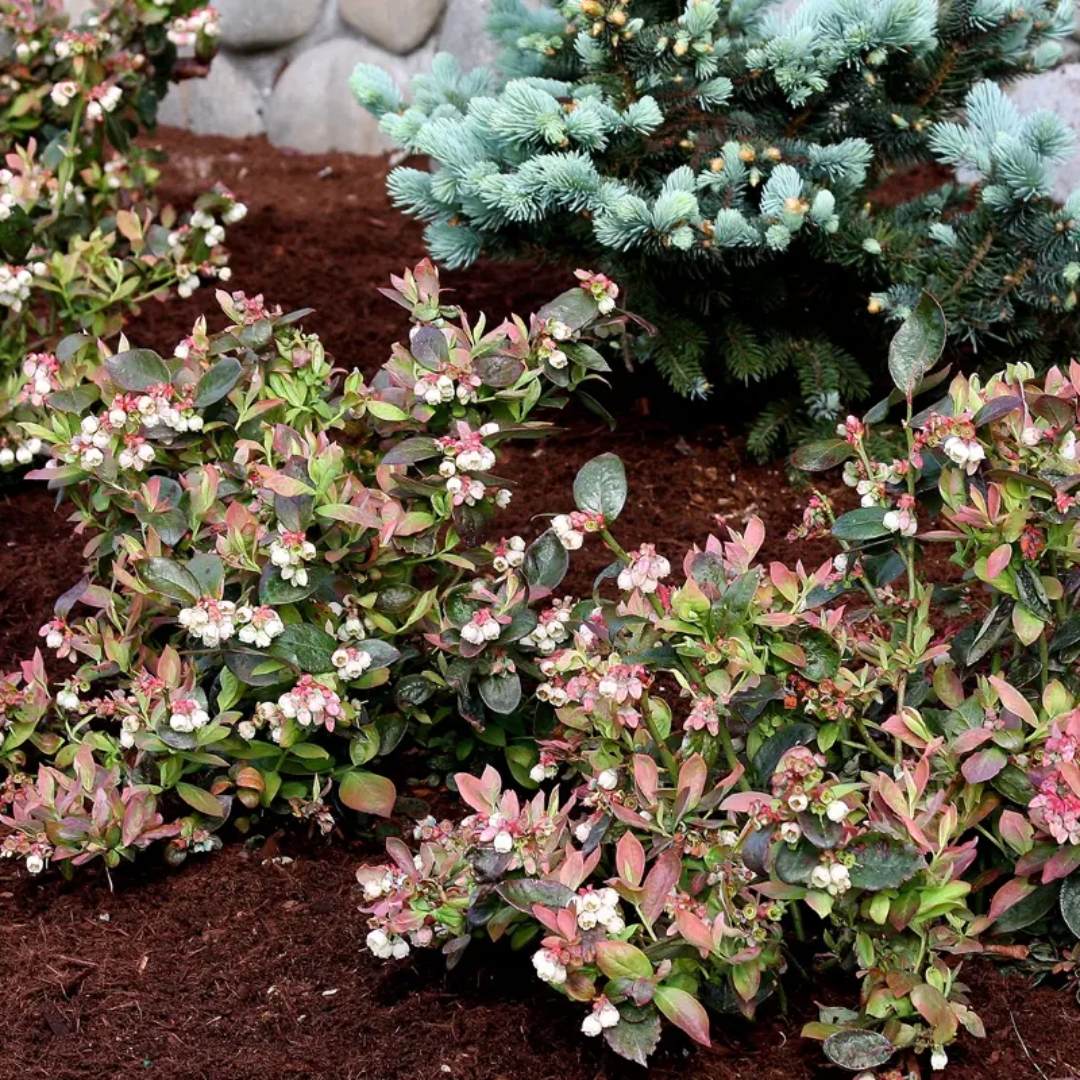
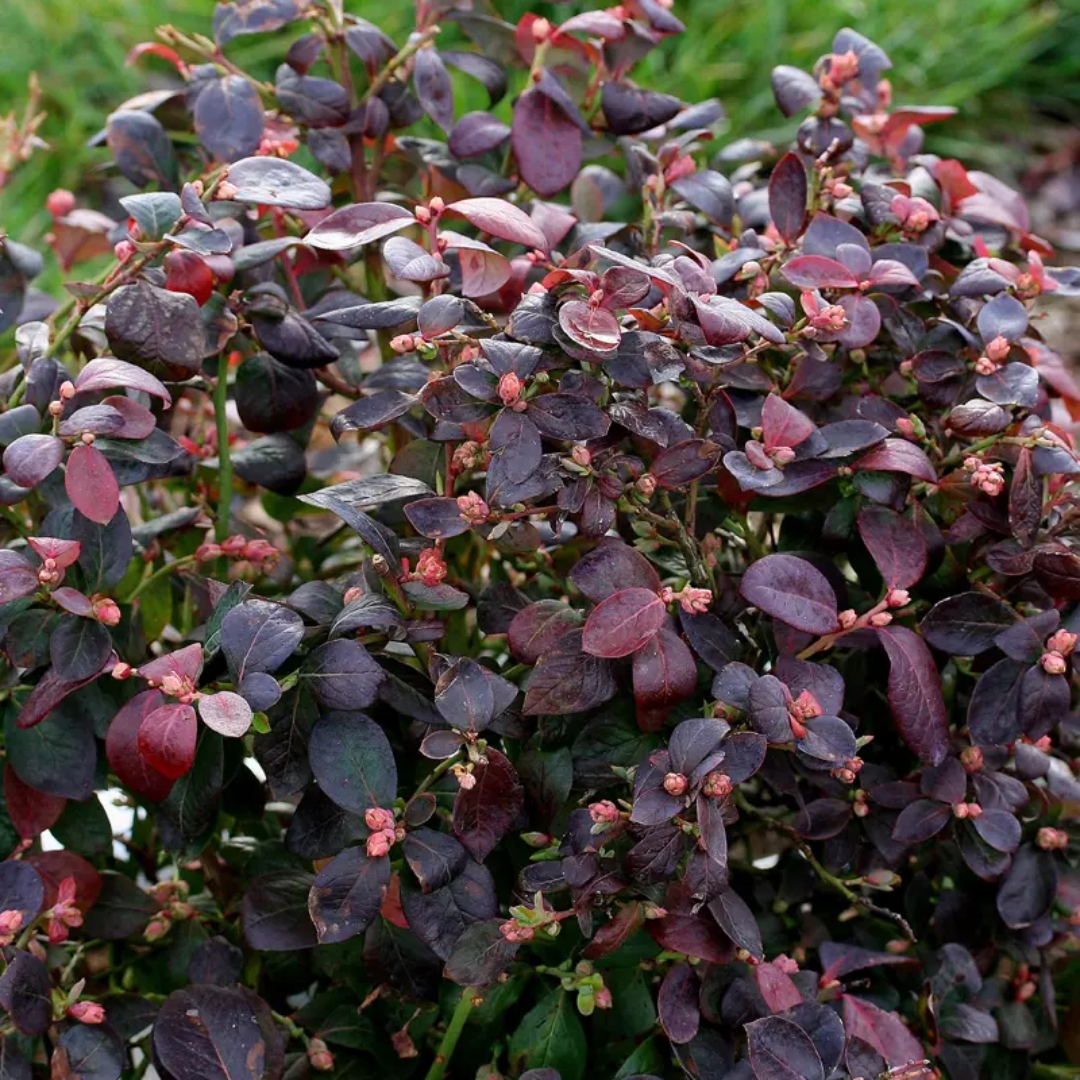
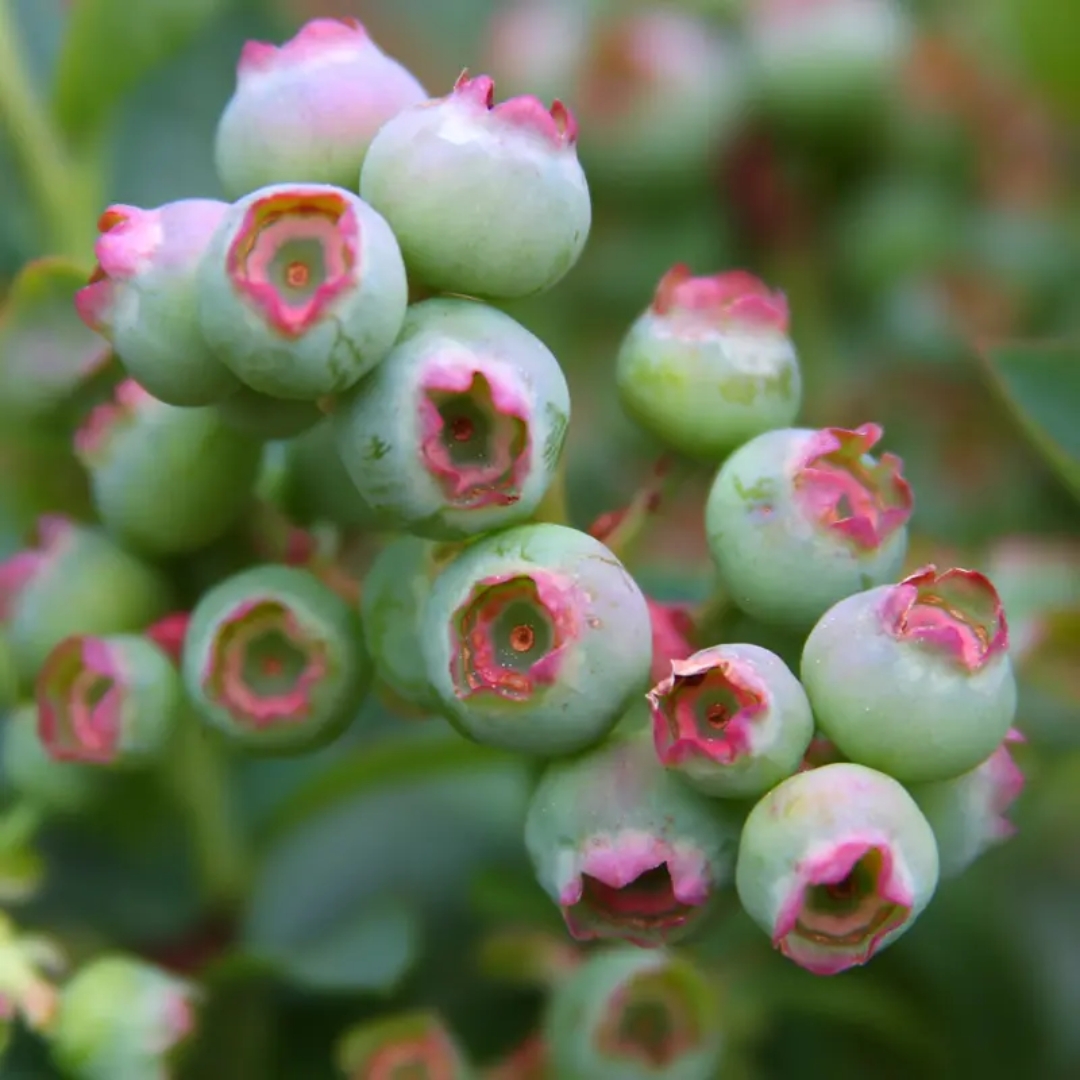
Vaccinium corymbosum hybrid ‘ZF06-043’Peach Sorbet Blueberry is a compact and highly ornamental edible shrub that enchants gardens with its spectacular multi-colored foliage and sweet, tropical-flavored berries. A standout in the popular Bushel and Berry® collection, this variety transitions through a stunning palette of leaf colors from peach and pink in spring to orange and emerald green in summer before deepening to rich eggplant purple in winter, offering four-season landscape interest.
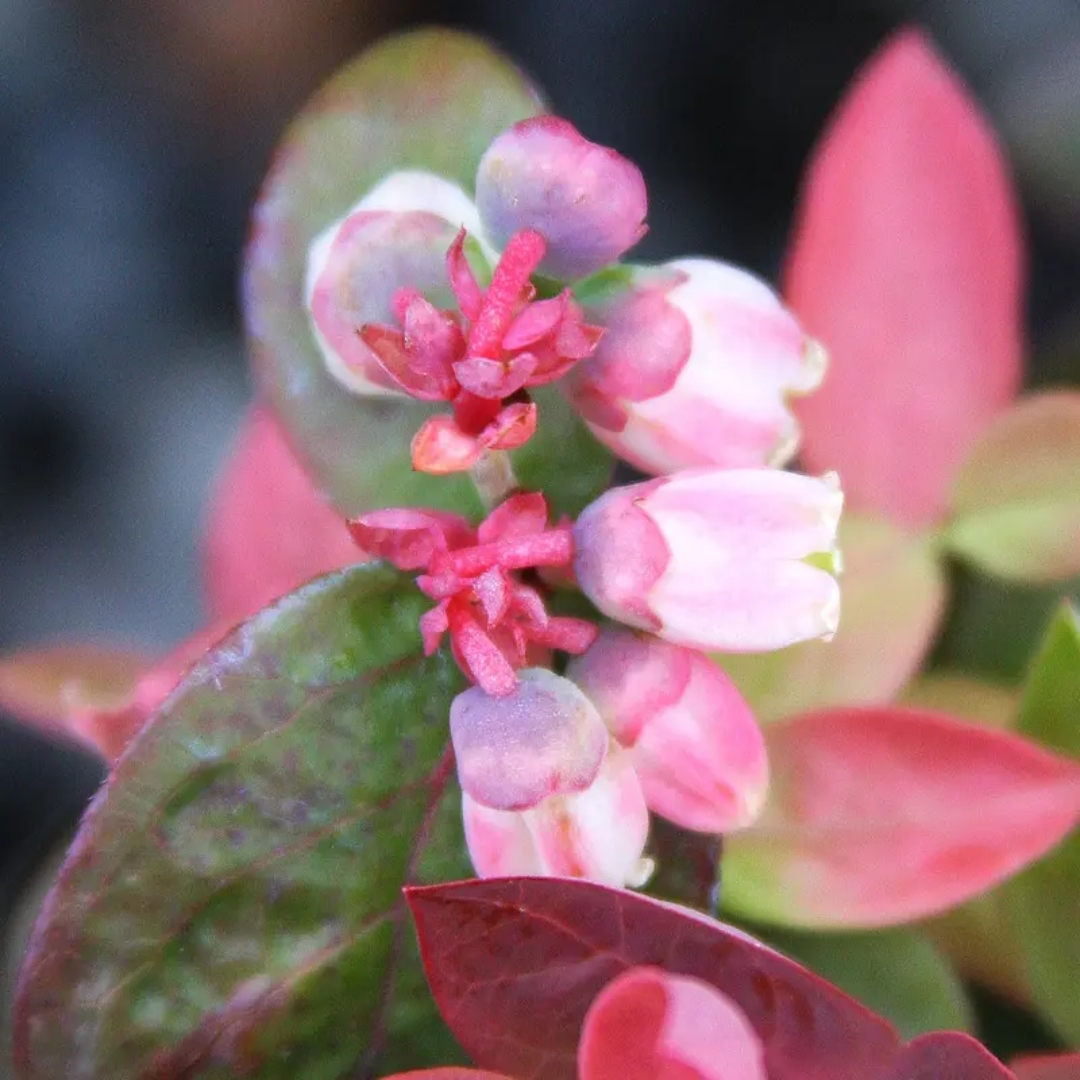
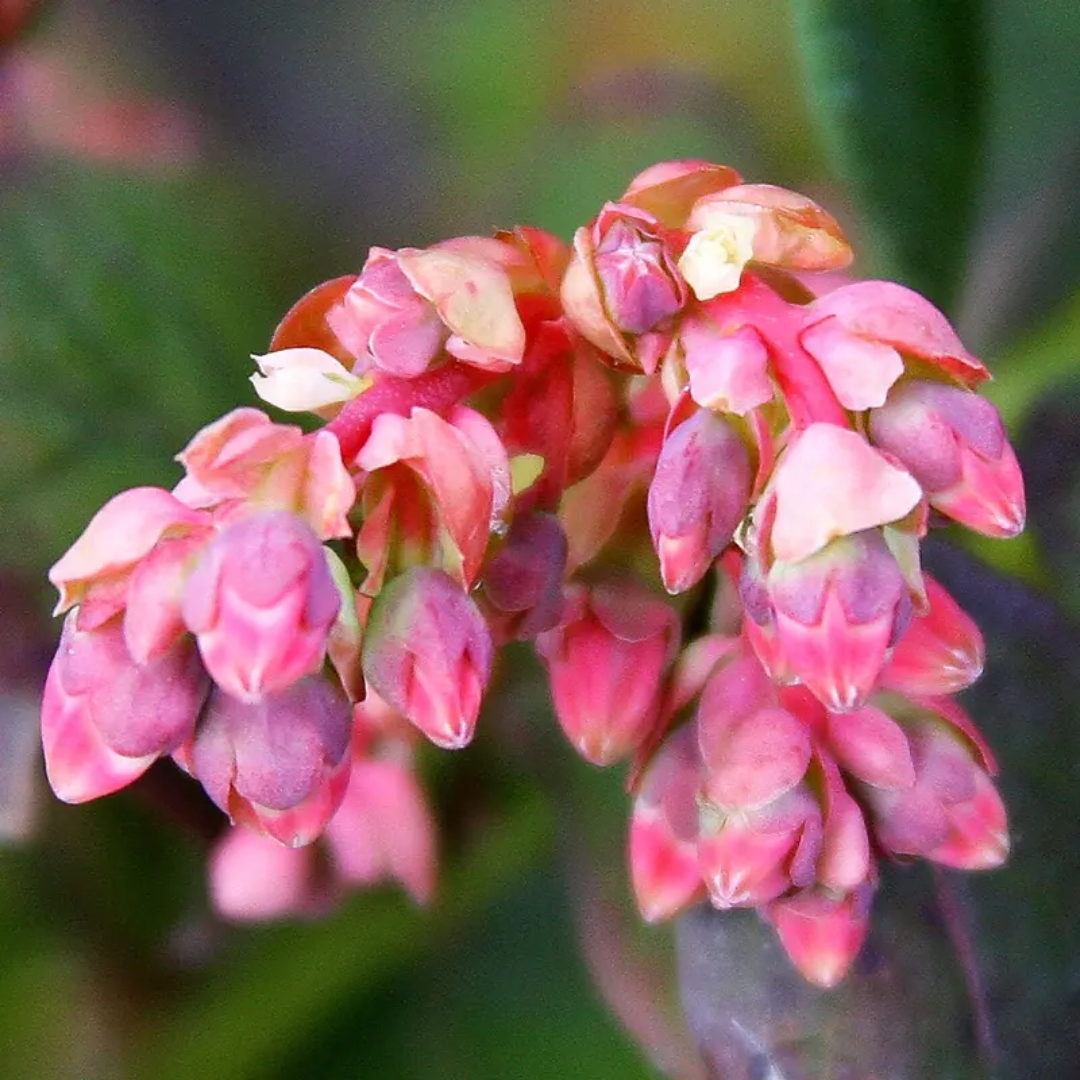
In spring, attractive pink bell-shaped flowers appear on the mounded shrub, attracting bees and other beneficial pollinators while laying the foundation for a bountiful mid-season harvest. By mid-July, clusters of medium-sized, sweet blueberries with a tropical essence ripen along the stems. These berries are delicious, fresh, and equally suited to baking, making jams and preserves, and freezing. The unique flavor is often described as more exotic and nuanced than traditional highbush blueberries, making Peach Sorbet® a favorite among gardeners who want both ornamental and edible value.
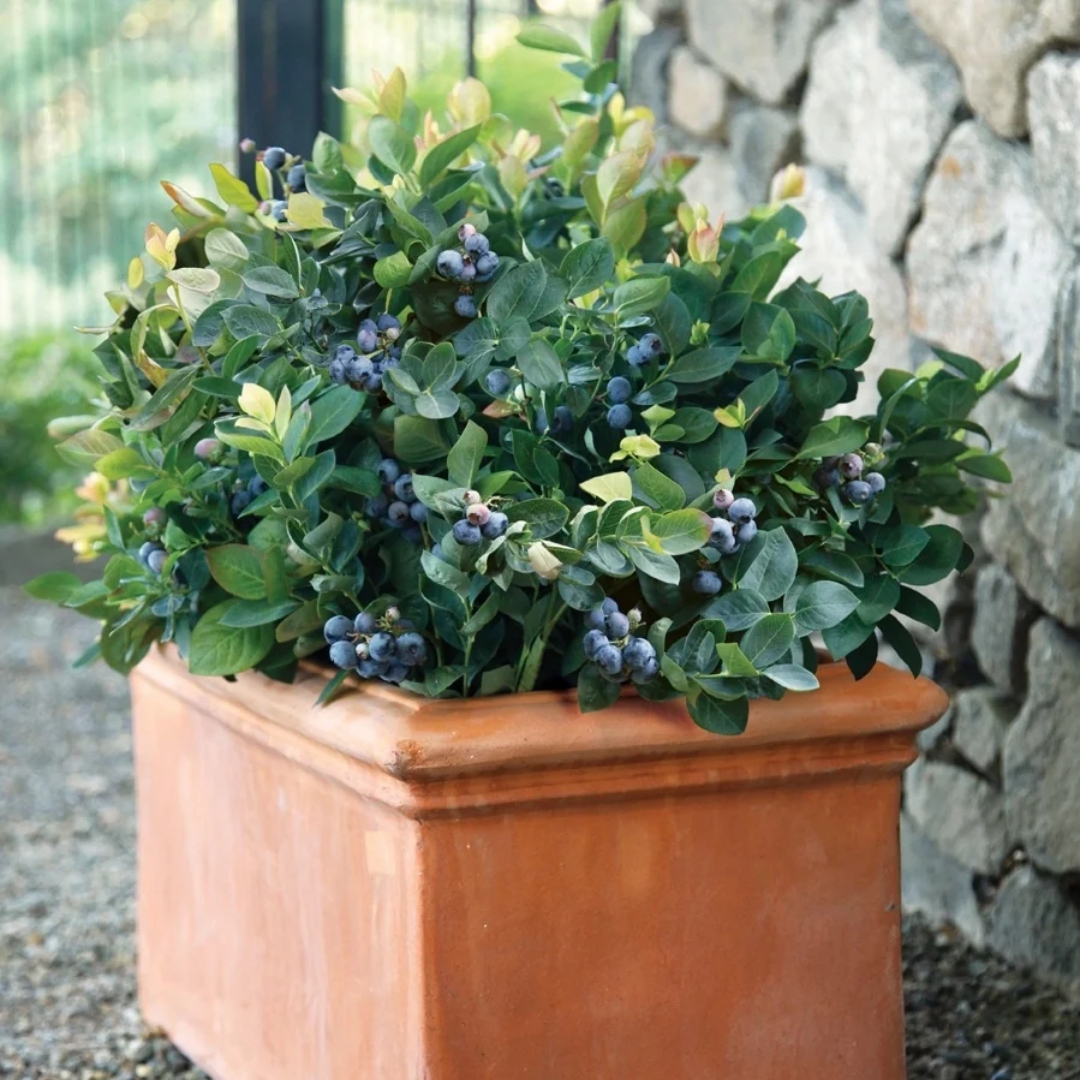
Unlike many larger blueberry bushes, Peach Sorbet® remains compact and manageable, typically reaching about 1½–2 feet tall and wide, which makes it equally at home in mixed borders, edible landscapes, or container plantings on patios and decks. Its ability to thrive in containers broadens where it can be grown, especially in small-space gardens and urban settings.
Care Instructions:
Planting: Select a location with full sun exposure. At least 6+ hours of direct sunlight daily for best leaf color, flowering, and berry production.
Soil: Plant in acidic, well-drained, fertile soil with a pH of 4.5–5.5. Blueberries dislike waterlogged or alkaline soils.
Watering: Water deeply and regularly during establishment and throughout dry periods. Maintain soil evenly moist but not soggy.
Fertilizing: Apply an acid-forming, slow-release fertilizer designed for blueberries or acid-loving plants in early spring before new growth begins.
Mulching: Spread a 2–3″ layer of organic mulch (pine bark, pine needles) around the base to retain moisture, regulate temperature, and help maintain soil acidity. Keep mulch a few inches from stems.
Pruning: Prune in late winter or early spring while dormant to remove dead wood, open the canopy, and encourage new fruiting wood.
Spacing: Space plants 2–3 ft apart for airflow and room for mature growth.
Maintenance: Monitor soil pH and moisture, mulch annually, and prune to maintain shape and vigor.
Pollinator Required: No. This shrub is self-pollinating and will set fruit independently, though planting another mid-season blueberry nearby (such as Powderblue or Tifblue) may increase yields.
This variety has a low chill requirement (around 300 hours or less) and performs reliably across a wide range of climates within USDA Hardiness Zones 5–10. Its adaptability, ornamental foliage, and excellent fruit production make Peach Sorbet® a compelling choice for gardeners looking for beauty and bounty in a compact blueberry.