

Pawpaw Tree
Asimina trilobaPawpaw Tree, also known as Paw Paw Tree, is a unique native fruit tree prized for its tropical-flavored fruit, ornamental foliage, and adaptability to eastern North American landscapes. As the largest edible fruit native to the United States, the Pawpaw offers an exceptional combination of ecological value and edible appeal. Its lush, broad leaves and naturally graceful form make it a standout in woodland gardens, edible landscapes, and naturalized plantings.
In spring, Pawpaw trees produce unusual maroon to deep purple flowers that appear before full leaf-out. While not showy in the traditional sense, these distinctive blooms are important for pollination and add botanical interest. As the season progresses, large, drooping green leaves emerge, creating a bold, tropical appearance that provides dense shade through summer. In the fall, foliage may turn soft yellow before dropping.
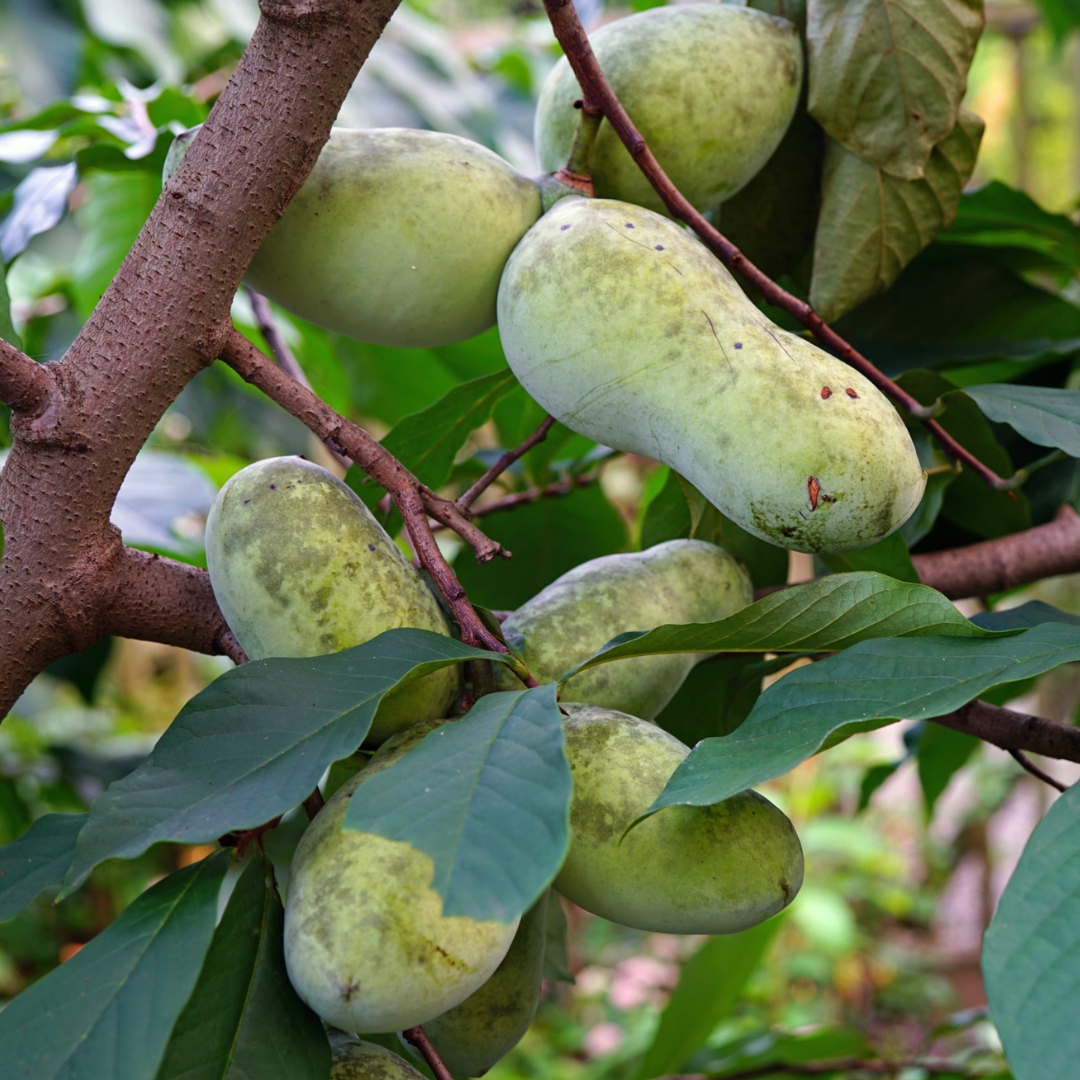
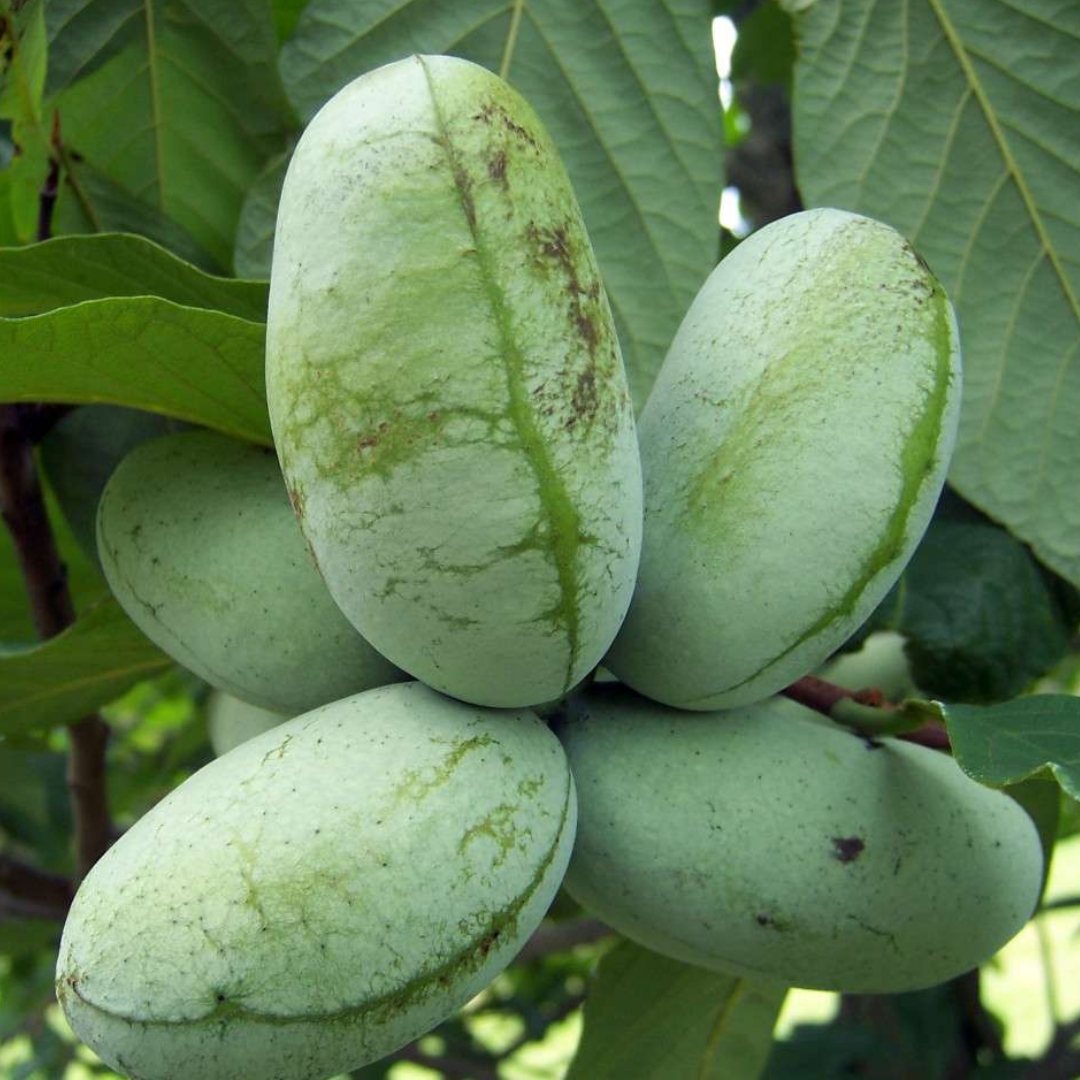
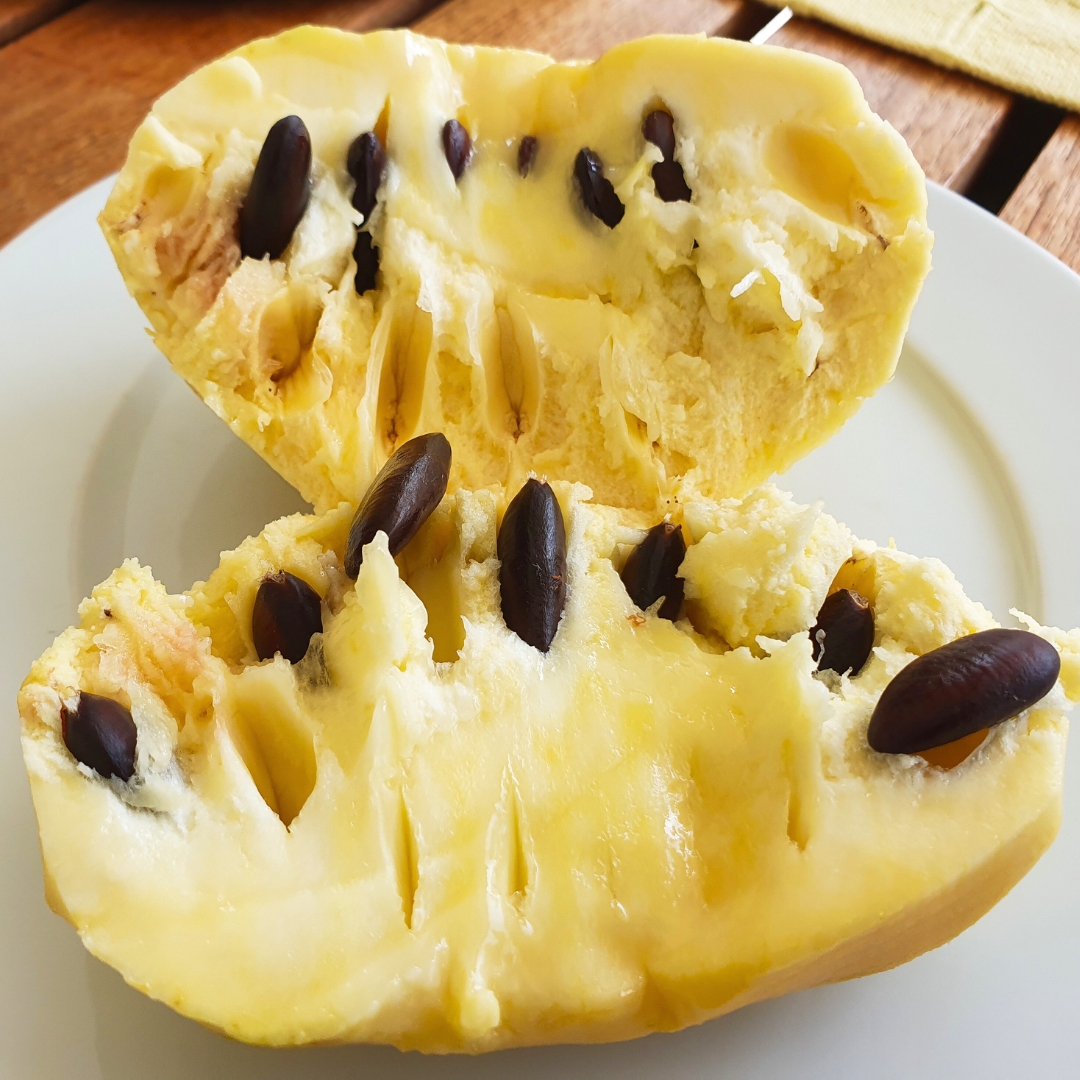
The fruit of the pawpaw ripens in late summer to early fall and is oblong, green to yellowish when mature, with soft, custard-like flesh inside. The flavor is rich and complex, often described as a blend of banana, mango, and melon. Pawpaw fruit is best eaten fresh or used in desserts, smoothies, breads, and frozen treats, as it does not store or ship well. This makes it especially prized for home growers rather than commercial production.
Care Instructions:
Planting: Choose a full sun to partial shade location. Young trees benefit from light shade during establishment.
Soil: Plant in rich, well-drained soil with consistent moisture. Avoid dry or compacted sites.
Watering: Water regularly during establishment and maintain even moisture during dry periods.
Fertilizing: Apply a balanced fertilizer in early spring once growth begins.
Pruning: Minimal pruning is needed. Remove dead or damaged branches in late winter.
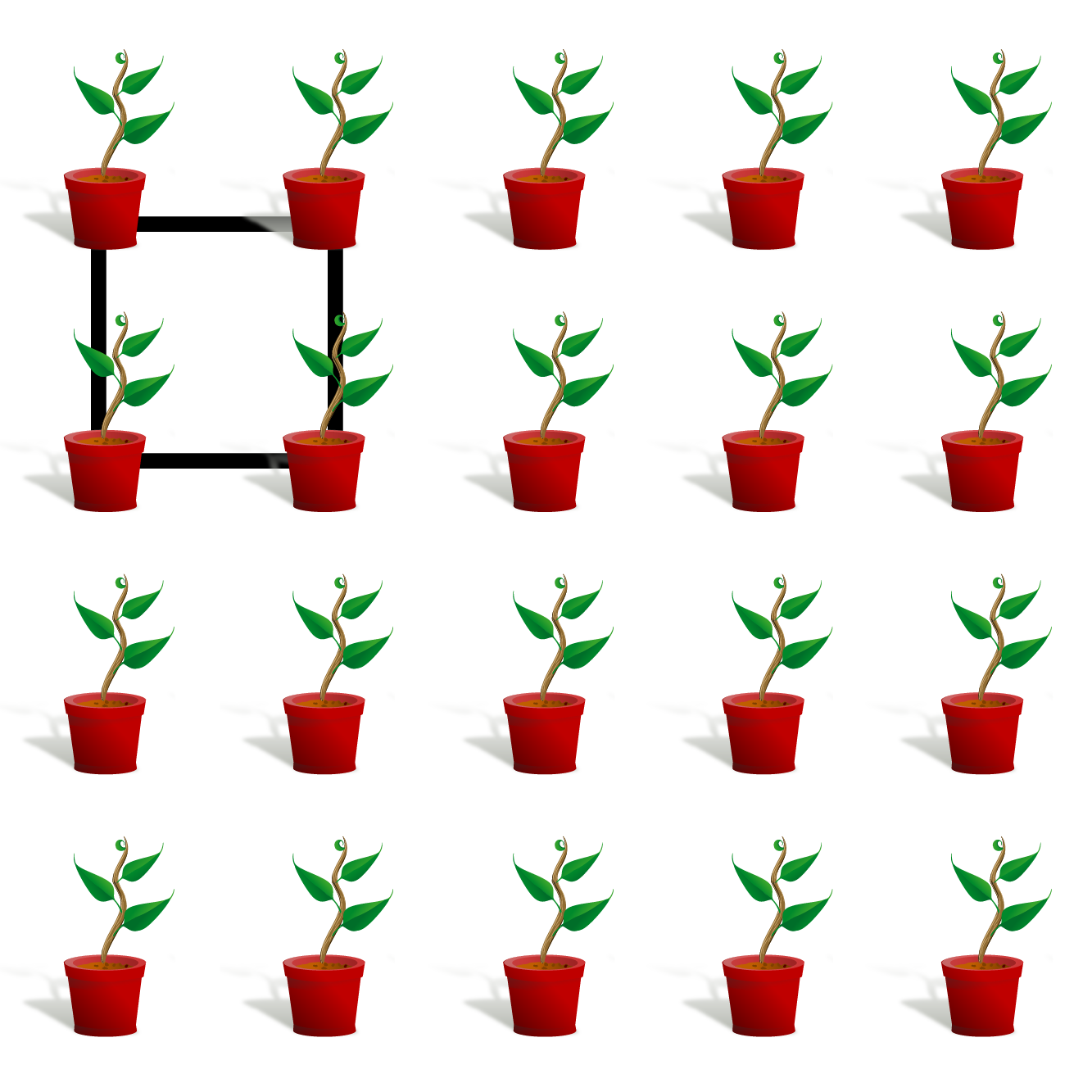
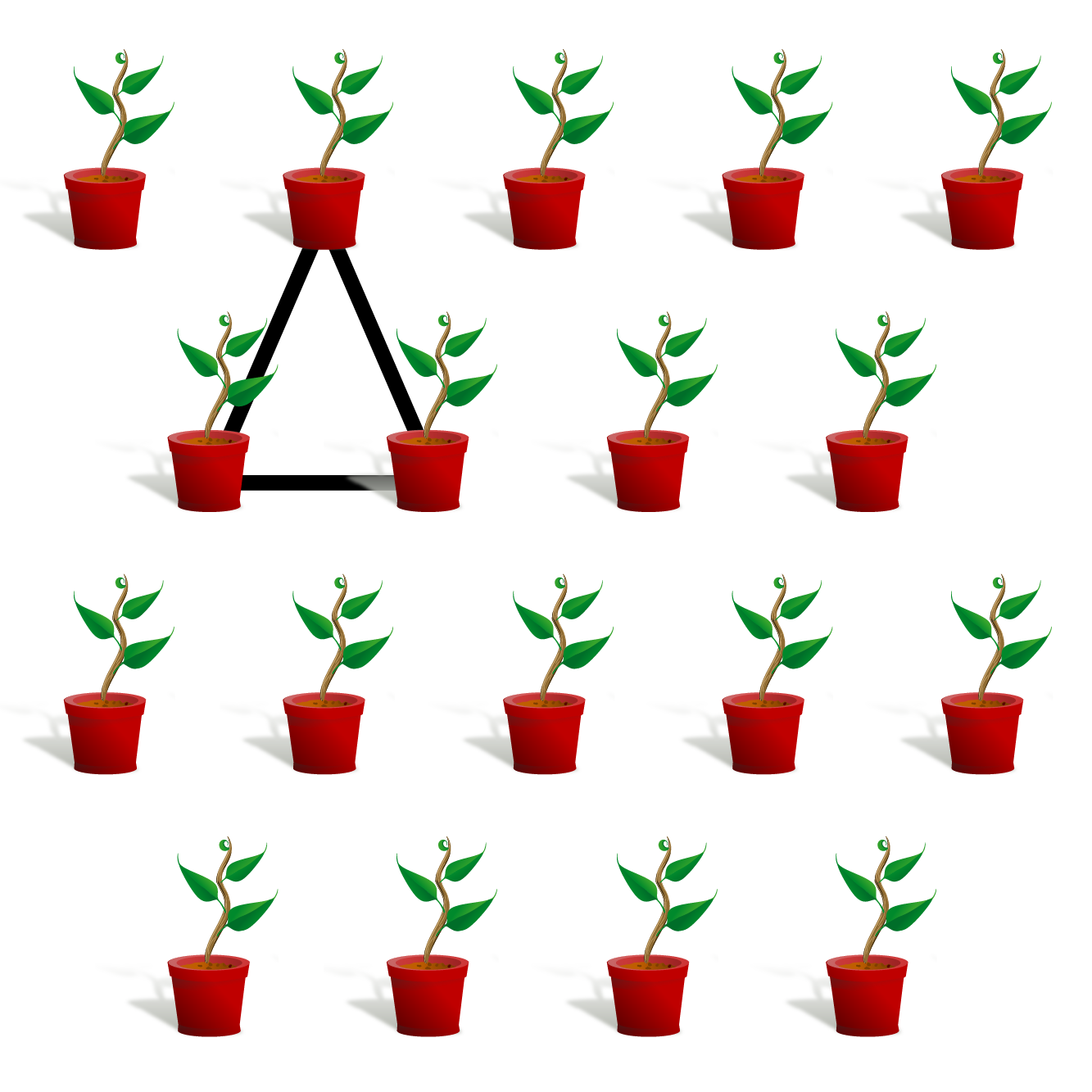
Spacing: Space trees 15–25 ft apart to allow for mature growth and airflow.
Maintenance: Mulch annually and protect young trees from drought stress.
Pollinator Required: Yes, this tree requires cross-pollination with the same or another pawpaw variety, such as Shenandoah, Susquehanna, or Sunflower.
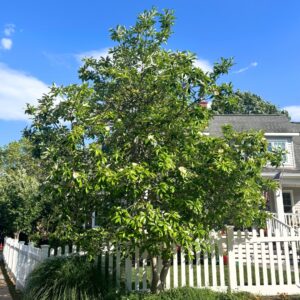
Pawpaw trees typically reach 15–25 feet tall and wide, forming a small understory tree that thrives in full sun to partial shade. Young trees benefit from some protection from intense sun during establishment. Pawpaws are not self-fertile and require cross-pollination between genetically distinct trees for fruit production. Planting two different named varieties ensures reliable fruit set and improved yields. Once established, pawpaw trees are relatively low-maintenance and offer excellent cold tolerance and native resilience.