

Okame Flowering Cherry
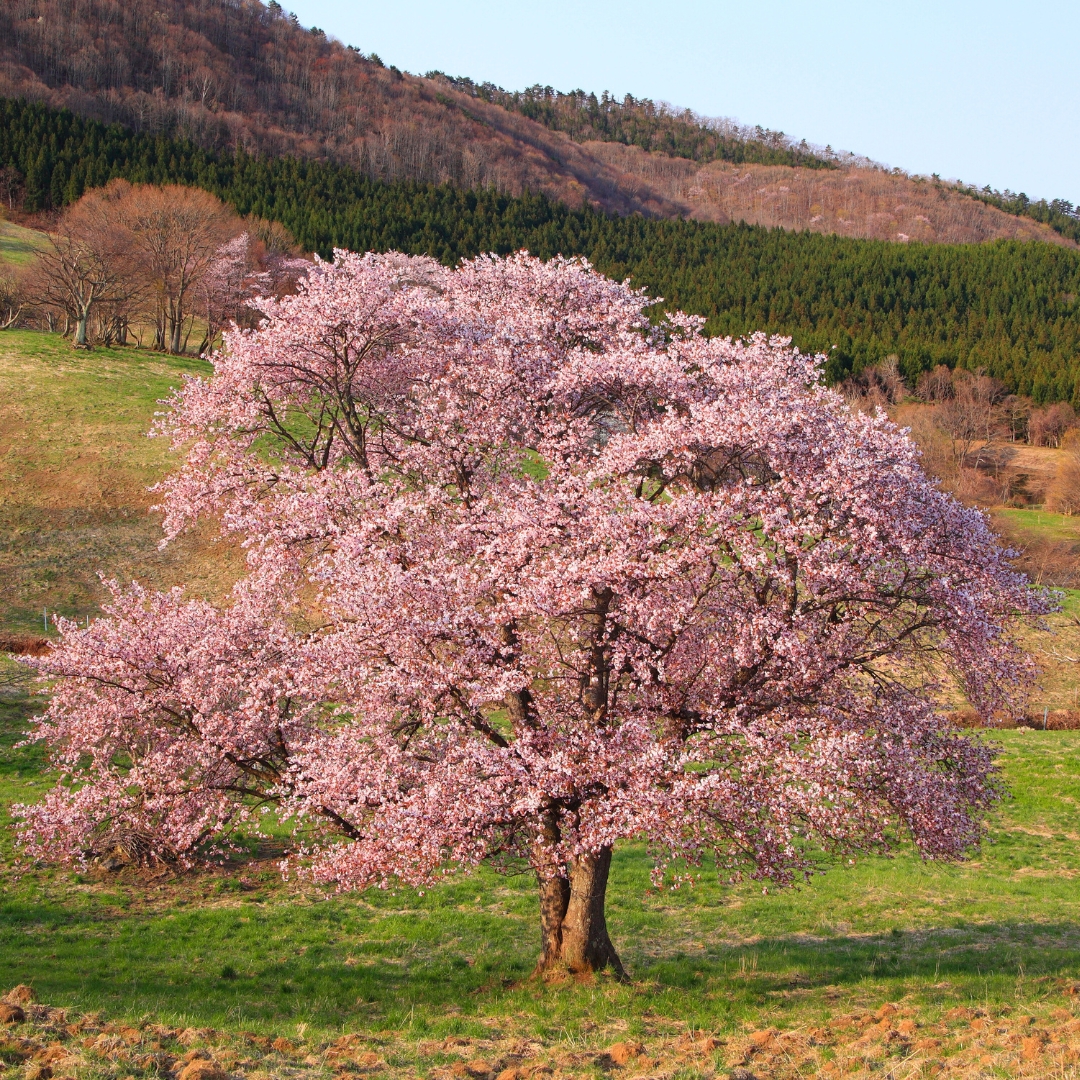
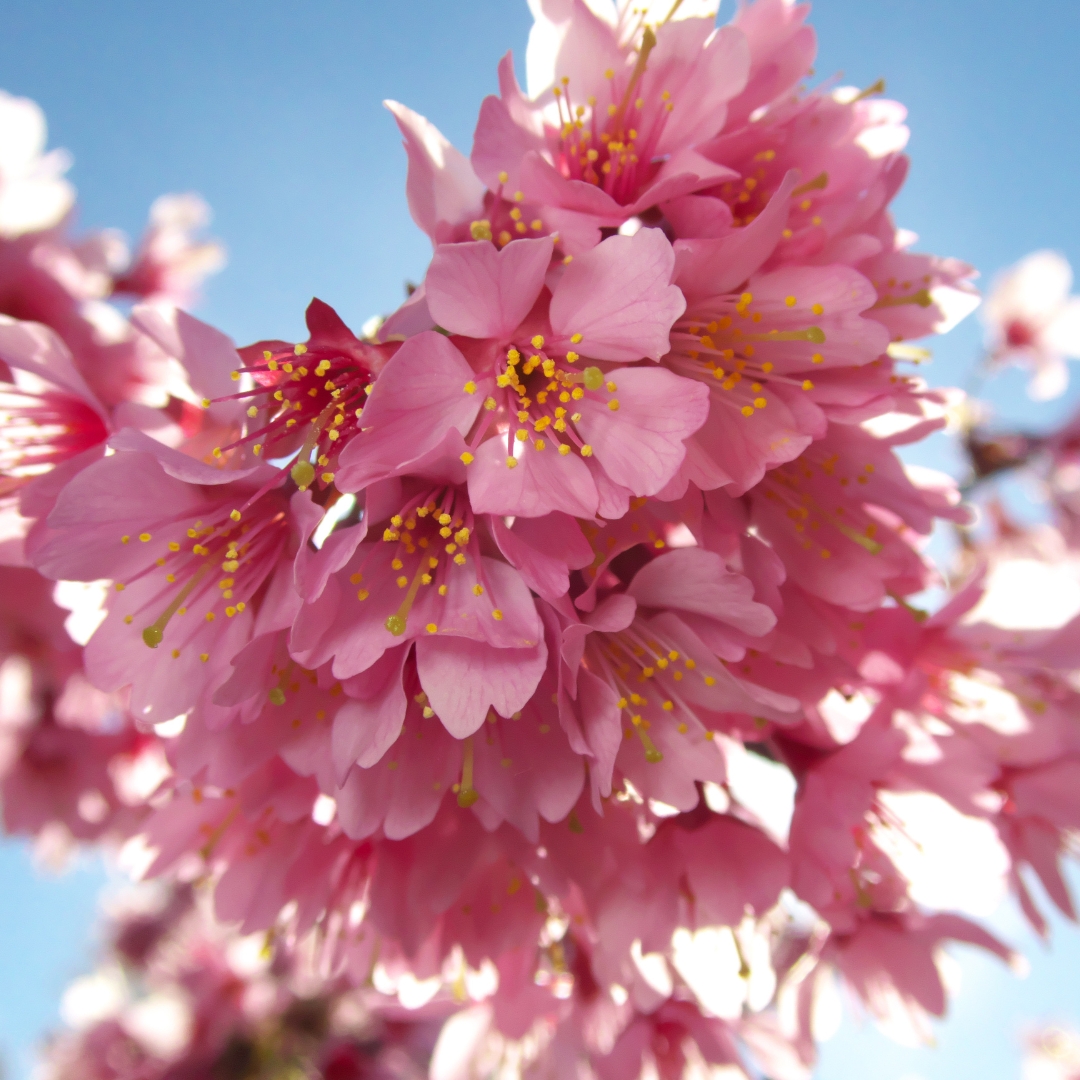
Prunus ‘Okame’Okame Flowering Cherry is one of the earliest blooming ornamental cherry trees, prized for its vibrant rosy-pink flowers and exceptional cold hardiness. A hybrid between Prunus campanulata and Prunus incisa, Okame was bred for improved winter tolerance while maintaining outstanding floral color. It reliably delivers a brilliant early spring display, often flowering several weeks before many other cherry varieties.
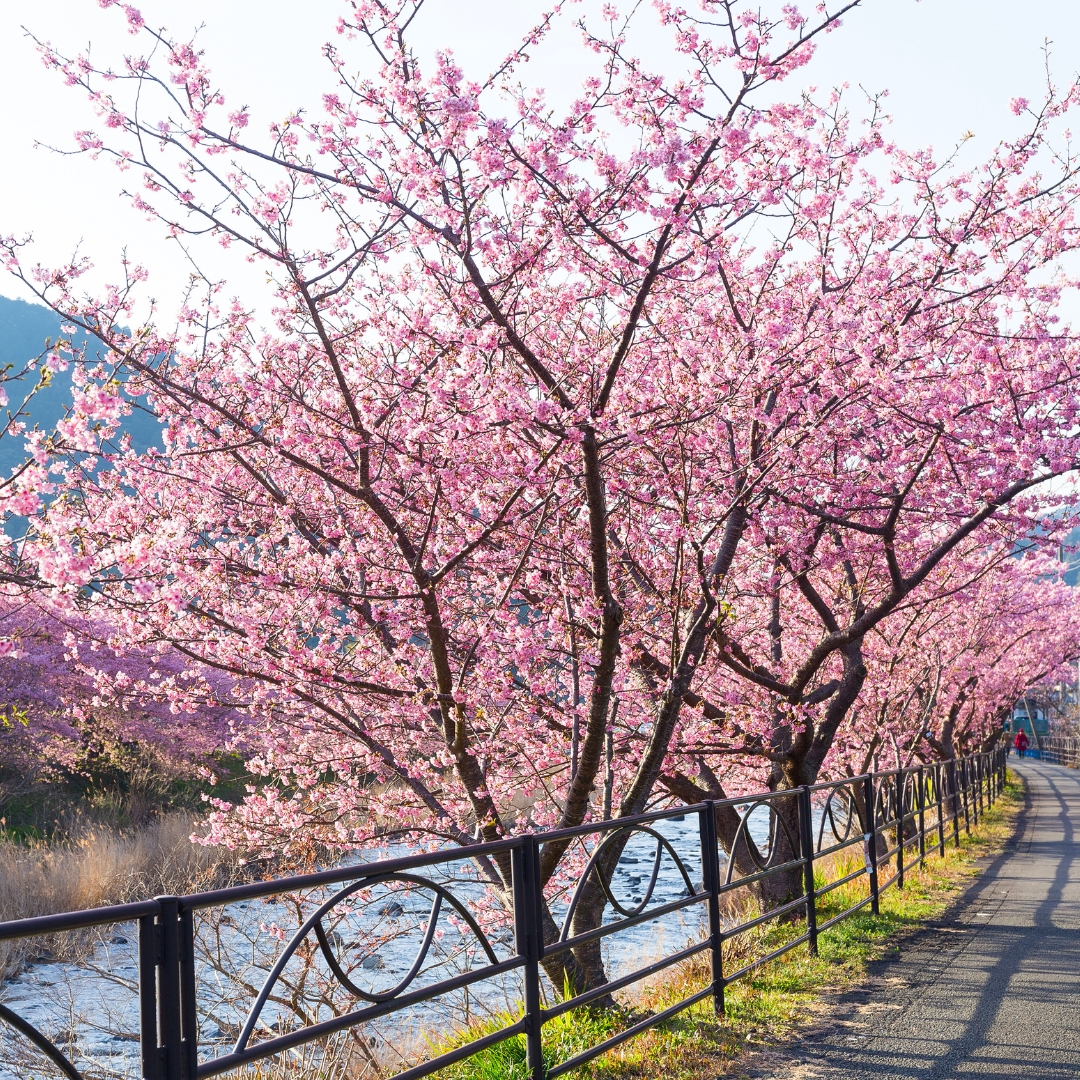
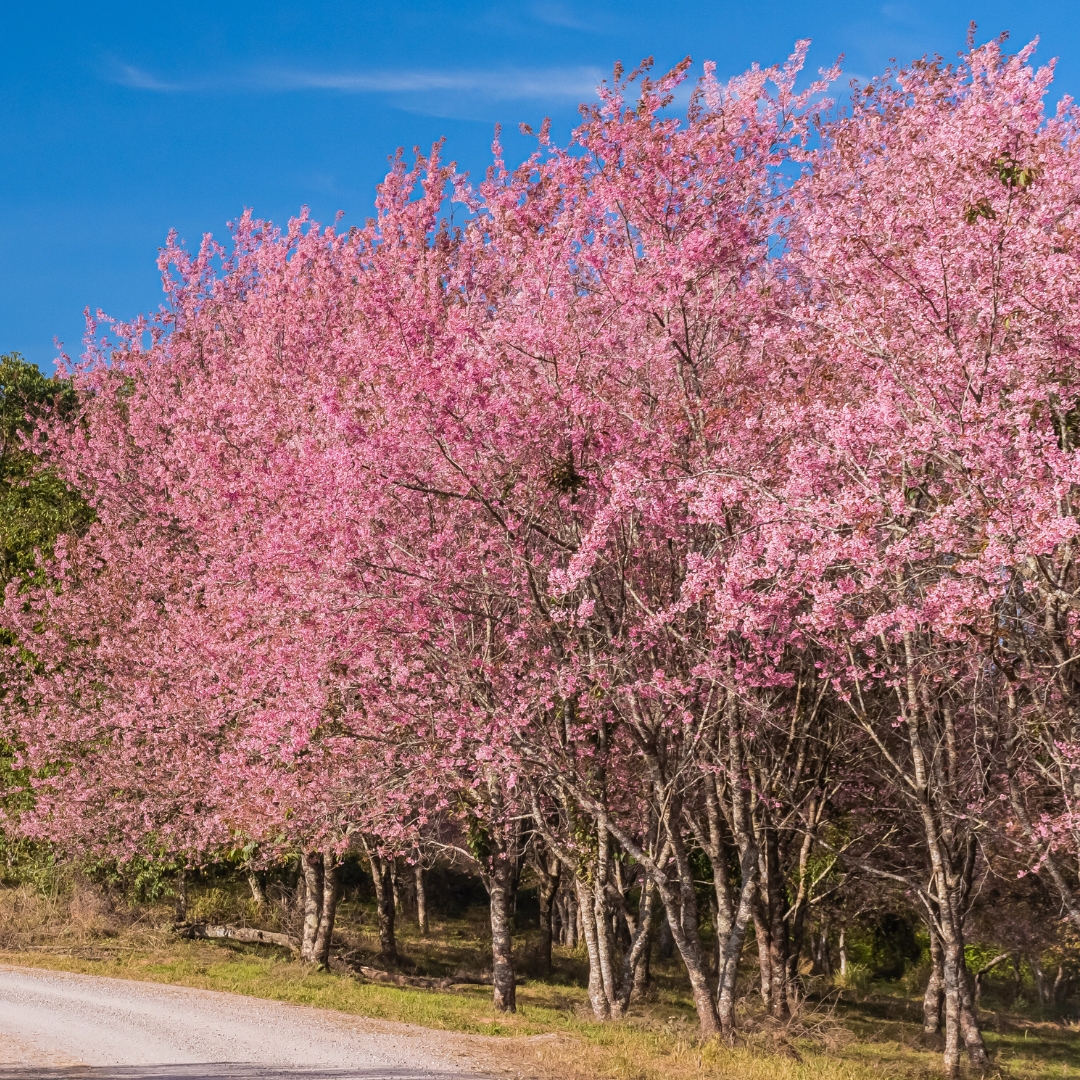
In late winter to very early spring, bare branches become covered with masses of small, single, deep pink blossoms that create a vivid splash of color in the landscape. The flowers are lightly fragrant and attract early pollinators such as bees emerging from winter dormancy. Because it blooms early, Okame is especially valued for extending the ornamental cherry season and providing one of the first strong signals that spring has arrived.
After flowering, fresh green foliage emerges with a slight bronze tint before maturing to a rich green canopy through summer. In fall, the leaves often transition to warm shades of orange, red, and bronze, adding another layer of seasonal interest. Even in winter, the smooth bark and well-balanced branching structure contribute subtle architectural beauty.
Okame Flowering Cherry typically matures to 20–30 feet tall with a spread of 15–25 feet, forming a round-shaped canopy. Its moderate size makes it ideal for lawn specimens, or mixed planting beds. Compared to many ornamental cherries, Okame demonstrates improved resistance to common leaf spot diseases and better tolerance of colder climates, making it a dependable performer in USDA Hardiness Zones 6–8.
Care Instructions:
Planting: Choose a location with full sun exposure (at least 6+ hours of direct sunlight daily) for best flowering and overall vigor.
Soil: Prefers well-drained soil and adapts to loam, sand, or clay if drainage is adequate. Avoid waterlogged areas.
Watering: Water deeply and regularly during the first growing season to establish a strong root system. Once established, provide supplemental watering during extended dry periods.
Fertilizing: Apply a balanced, slow-release fertilizer in early spring before new growth begins.
Mulching: Apply a 2–3″ layer of organic mulch around the root zone to conserve moisture and regulate soil temperature. Keep mulch a few inches from the trunk.
Pruning: Prune lightly after flowering to remove dead or crossing branches and maintain natural shape; avoid heavy pruning.
Spacing: Space trees 20–25 ft apart to allow for mature canopy development and airflow.
Maintenance: Monitor for common ornamental cherry pests or leaf spot issues and maintain proper watering and airflow.
Thriving in full sun and well-drained soil, Okame is a low to moderate maintenance ornamental tree that provides exceptional early color, refined structure, and multi-season appeal. Its reliable bloom and manageable size make it a favorite choice for gardeners seeking bold spring impact without overwhelming the landscape.
Size: Unless the product is labeled “B&B,” it comes in a container rather than ball-and-burlap. Sizes listed with ‘Cal.’ indicate the caliper of the trunk.