

Northcountry Blueberry
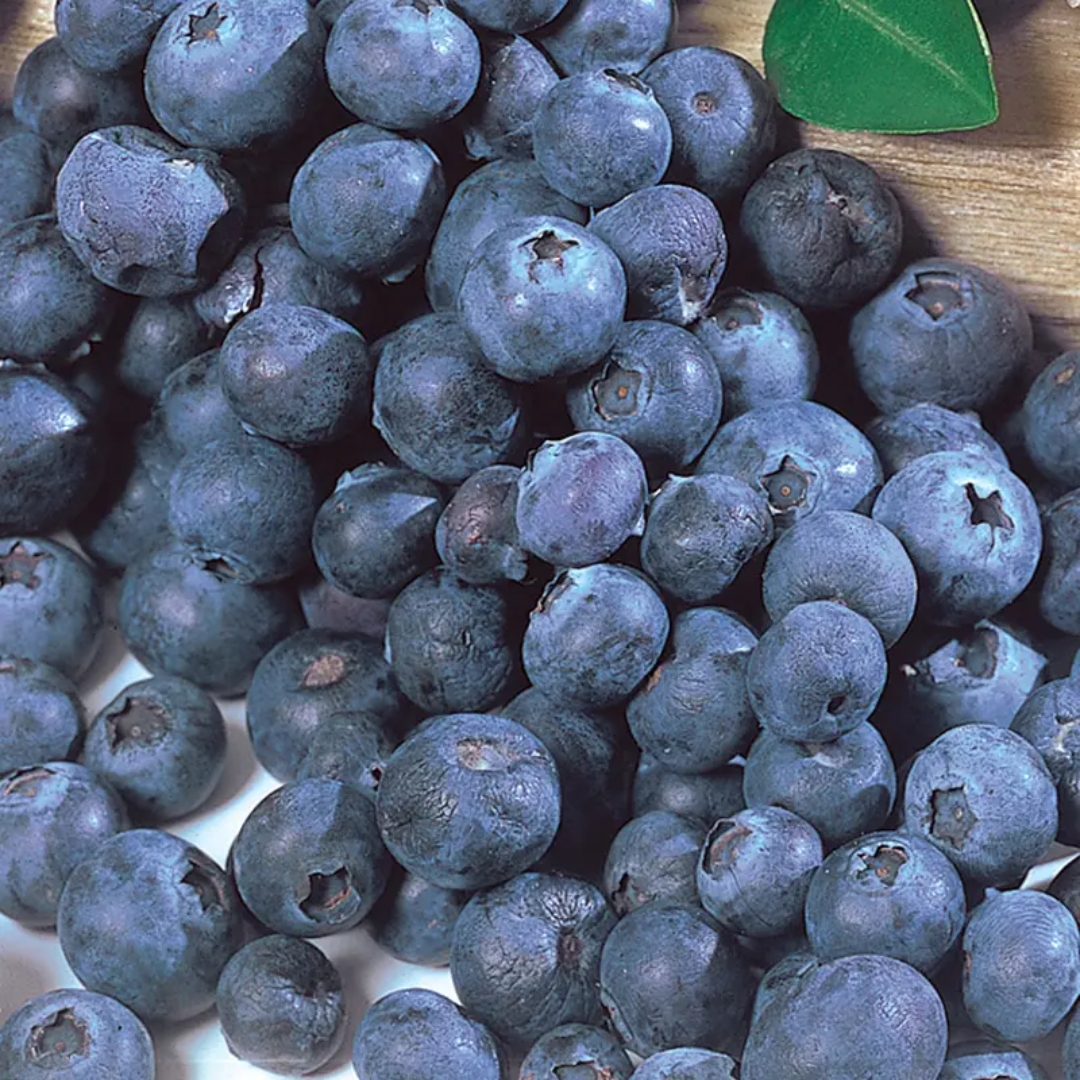
Vaccinium corymbosum ‘Northcountry’Northcountry Blueberry is a cold-hardy, productive blueberry cultivar that combines the rich flavor of wild blueberries with the dependable performance of hybrid plant breeding. Known as a half-high blueberry, a cross between northern highbush and lowbush types, Northcountry delivers medium-sized, sky-blue berries. They offer a sweet, mild flavor that ripens in early to mid-season, typically late June into early July.
Originally introduced in the late 1980s and bred for resilience in colder climates, Northcountry is prized for its extreme cold hardiness and extended fruiting window. Its fruiting often begins about 5 days earlier than Northblue, and the harvest can last 2–3 weeks, providing a steady supply of berries in the garden. The flavor profile is reminiscent of wild blueberries, making it excellent for fresh eating, baking, jams, and preserves.
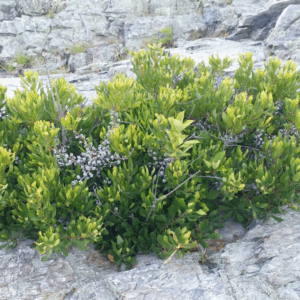
In spring, the plant produces clusters of white bell-shaped flowers that attract bees and other pollinators, enhancing garden biodiversity while supporting fruit set. The foliage is an attractive, deep green in summer and can develop orange to red hues in fall, adding seasonal ornamental value even after berry harvests are finished. Typical plants mature to about 2–3 feet tall and 2–3 feet wide, making Northcountry a great choice for smaller edible gardens, container plantings, or mixed shrub borders where space is limited.
Care Instructions:
Planting: Choose a site with full sun exposure. At least 6+ hours of direct sunlight daily for best berry production and plant vigor.
Soil: Plant in acidic, well-drained, fertile soil with a pH of about 4.5–5.5. Blueberries require acidic conditions to thrive.
Watering: Water deeply and regularly during establishment and dry periods. Maintain evenly moist soil without waterlogging.
Fertilizing: Apply an acid-forming, slow-release fertilizer formulated for blueberries or other acid-loving plants in early spring before new growth begins.
Mulching: Spread a 2–3″ layer of organic mulch (e.g., pine bark, pine needles) around the base to retain moisture, regulate soil temperature, and help maintain soil acidity. Keep mulch a few inches away from stems.
Pruning: Prune in late winter or early spring while dormant to remove dead or weak wood, open the canopy, and encourage vigorous new fruiting canes.
Spacing: Space plants 3–4 ft apart to allow room for mature growth and good airflow.
Maintenance: Monitor soil pH and moisture, mulch annually, and prune to maintain plant health and productivity.
Pollinator Required: No. This plant is self-fertile, but planting another blueberry cultivar nearby (such as Northblue or Northsky) can increase yields and berry size.
Northcountry performs well in USDA Hardiness Zones 3–8, making it suitable for many northern and temperate regions. Its half-high heritage gives it a balance of fruit quality and winter hardiness that few other blueberries offer, making it a reliable pick for gardeners who want flavorful blueberries with broad climate adaptability.