

Lowbush Blueberry
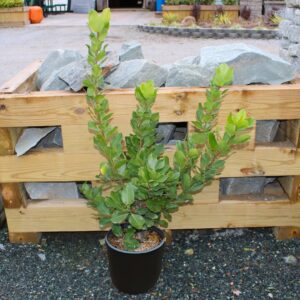
Vaccinium angustifoliumLowbush Blueberry is a charming, low-growing deciduous shrub that combines ornamental appeal with delicious edible fruit and wildlife value. This hardy native blueberry species typically grows as a compact groundcover-like shrub, reaching up to about 2 feet tall and wide, forming dense mats or colonies when planted in groups. It’s small, glossy foliage emerges green in spring, matures to a deep blue-green in summer, and then transitions to rich shades of maroon or purple in fall, adding layered seasonal interest to gardens, edible landscapes, woodland edges, or rock gardens.
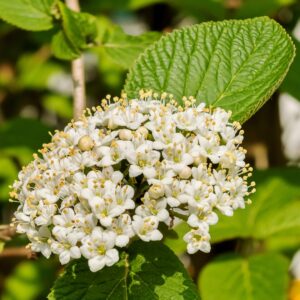
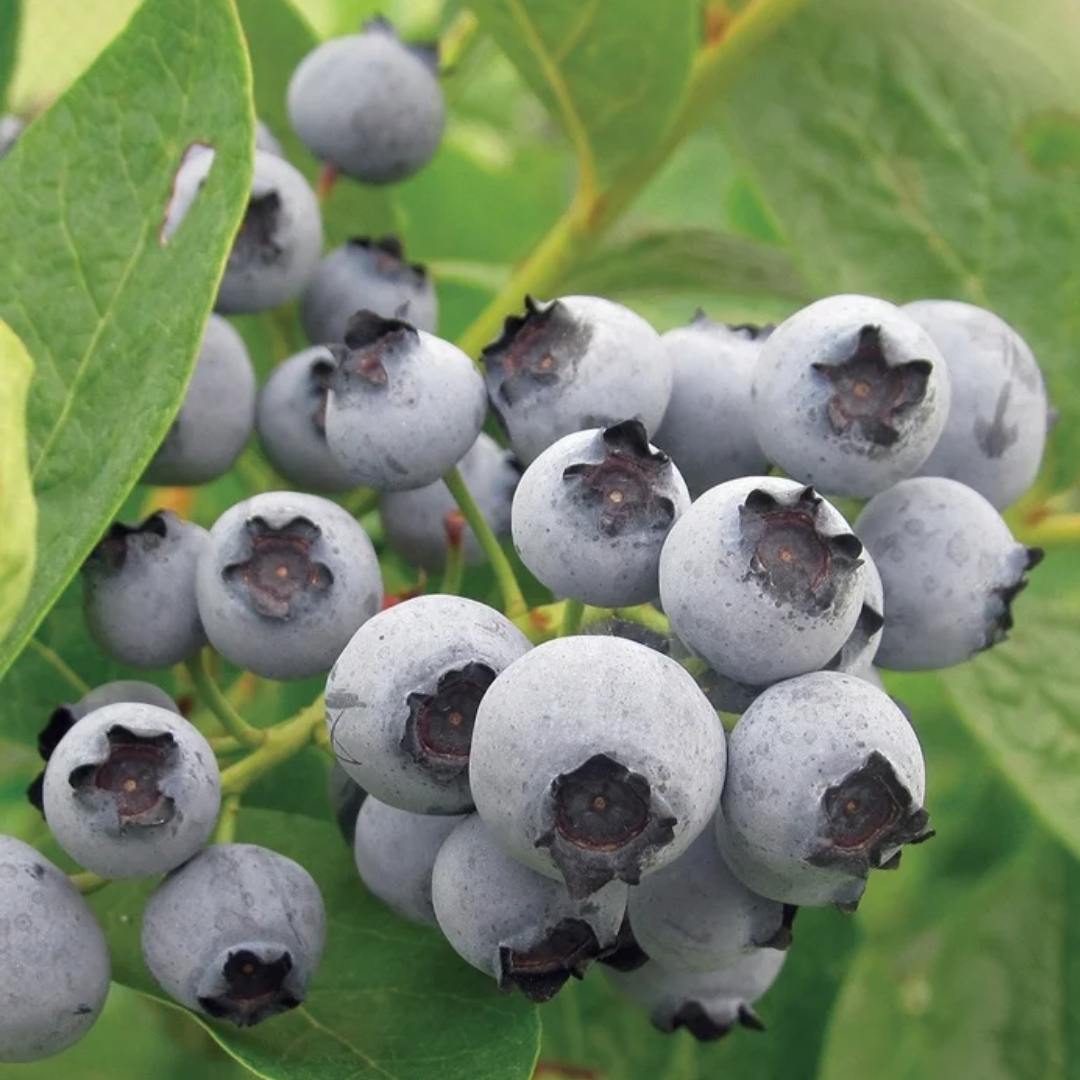
In mid to late spring, Lowbush Blueberry produces abundant clusters of delicate, bell-shaped white to pink-tinged flowers that attract bees and other pollinators. These blossoms give way in mid- to late summer to “lowbush” blueberries. They are smaller, sweet, flavorful berries prized for fresh eating, baking, jams, sauces, or freezing. Home gardeners value these berries not only for their taste but also for their high levels of antioxidants and wildlife appeal, with birds and small mammals frequently feeding on the ripened fruit.
This species is native to eastern and central North America and is well adapted to a variety of soils that are acidic and well-drained, thriving in sunny to partly shaded locations. While full sun maximizes fruit production and foliage coloration, Lowbush Blueberry also tolerates light shade in woodland settings. Its shallow root system benefits from consistent moisture early in establishment, although mature plants are relatively drought tolerant once established.
Care Instructions:
Planting: Choose a site with full sun exposure. At least 6+ hours of direct sunlight daily for best berry production and foliage color.
Soil: Plant in acidic, well-drained soil with a pH of ~4.5–5.5. Blueberries do not tolerate alkaline or poorly drained soils.
Watering: Water deeply and regularly during establishment and dry periods. Maintain evenly moist soil without waterlogging.
Fertilizing: Apply an acid-forming, slow-release fertilizer designed for blueberries or other acid-loving plants in early spring before new growth.
Mulching: Spread a 2–3″ layer of organic mulch (such as pine needles or bark) around the base to retain moisture, suppress weeds, and help maintain acidity. Keep mulch a few inches from stems.
Pruning: Remove damaged or weak branches in late winter or early spring. Light thinning after harvest keeps plants healthy.
Spacing: Space plants 1–2 ft apart for groundcover effect or slightly wider for borders.
Maintenance: Monitor soil pH and moisture, mulch annually, and prune to maintain plant health and airflow.
Pollinator Required: Yes. Although Vaccinium angustifolium is self-fertile and can set some fruit independently, planting multiple blueberry varieties (e.g., Northcountry, Northblue) that bloom at the same time improves pollination and increases berry yields.
Because Lowbush Blueberry is both edible and ornamental, it plays a dual role in gardens: providing seasonal beauty through foliage and flowers, producing tasty berries for people and wildlife, and contributing to pollinator support. It can be grown as an accent groundcover, interplanted in shrub borders, or integrated into edible landscapes where its compact habit and vibrant fall color enhance design interest.