

Heritage Raspberry
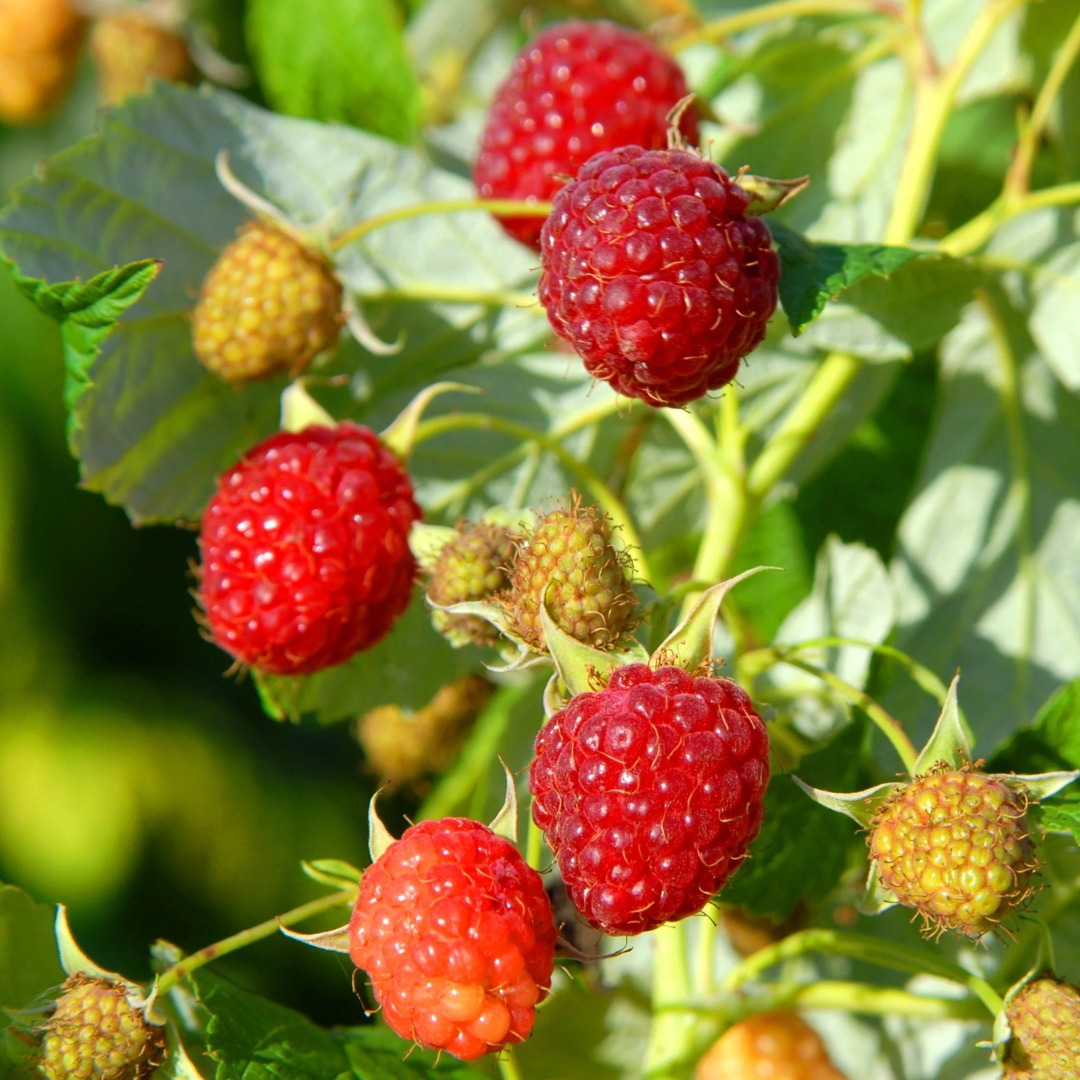
Rubus idaeus ‘Heritage’Heritage Raspberry is one of the most popular and widely planted raspberry cultivars for home gardens and berry patches, earning its reputation through dependable fruiting, excellent flavor, and extended harvest performance. This classic Rubus idaeus selection produces abundant medium to large red raspberries that are juicy, sweet-tart, and perfect for fresh eating, baking, preserves, freezing, and other culinary uses. Unlike many raspberries that crop only once a season, Heritage is a primocane-bearing variety, meaning it produces fruit on both one-year-old canes (primocanes) in late summer and on older floricanes earlier in the season. This gives gardeners a longer harvest window and delicious berries over multiple months.
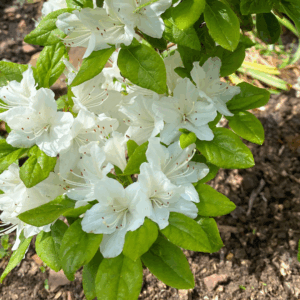
In spring, Heritage Raspberry begins to grow with attractive green foliage, and later produces clusters of white flowers that attract honey bees and other pollinators to your garden. These flowers are not only beautiful but also essential for setting the tasty red fruit that follows. As summer progresses, gardeners can enjoy fruit from floricanes beginning in early summer, with a second wave of fruiting on primocanes from midsummer into early fall, depending on climate and pruning.
Heritage Raspberry’s vigorous, upright canes typically reach about 4–6 feet tall, spreading 2–3 feet wide, and form a clump-like habit ideal for berry rows, mixed edible borders, or raised beds. Its hardy nature makes it well-suited for USDA Hardiness Zones 4–8, and its adaptable performance across varied soils and climates adds to its appeal for both novice and experienced gardeners.
Care Instructions:
Planting: Choose a site with full sun exposure for best berry production, cane vigor, and overall plant health. Partial sun is tolerated.
Soil: Plant in fertile, well-drained soil rich in organic matter. Raspberries prefer slightly acidic to neutral soils and do not tolerate poorly drained or waterlogged conditions.
Watering: Water deeply and regularly during establishment. Maintain evenly moist soil during flowering and fruit development, especially in dry spells.
Fertilizing: Apply a balanced, slow-release fertilizer in early spring before new growth begins. Avoid excess nitrogen late in the season.
Mulching: Spread a 2–3″ layer of organic mulch around the base to conserve moisture, moderate soil temperature, and suppress weeds. Keep mulch away from cane crowns.
Pruning: For summer and fall crops, remove weak canes in late winter. Tip prune primocanes in early summer if desired to encourage branching and fruiting.
Spacing: Space plants 2–3 ft apart to allow airflow, room for new growth, and ease of harvest.
Maintenance: Annually thin old canes, mulch as needed to conserve moisture and soil health, and monitor for pests or disease.
Pollinator Required: Yes. Raspberries benefit greatly from pollinator activity. While Heritage is self-fertile, planting companion raspberry cultivars with overlapping bloom times (such as Boyne, Killarney, or Nova) can help maximize fruit set and yields.
Thanks to its extended fruiting habit and high productivity, Heritage Raspberry is often recommended for beginners and seasoned growers alike, offering reliable yields year after year. Whether planted in a dedicated berry patch, integrated into edible landscapes, or used as a hedge in small gardens, its ornamental flowers, delicious fruit, and attractive foliage make it a valuable multifunctional shrub in edible design.