

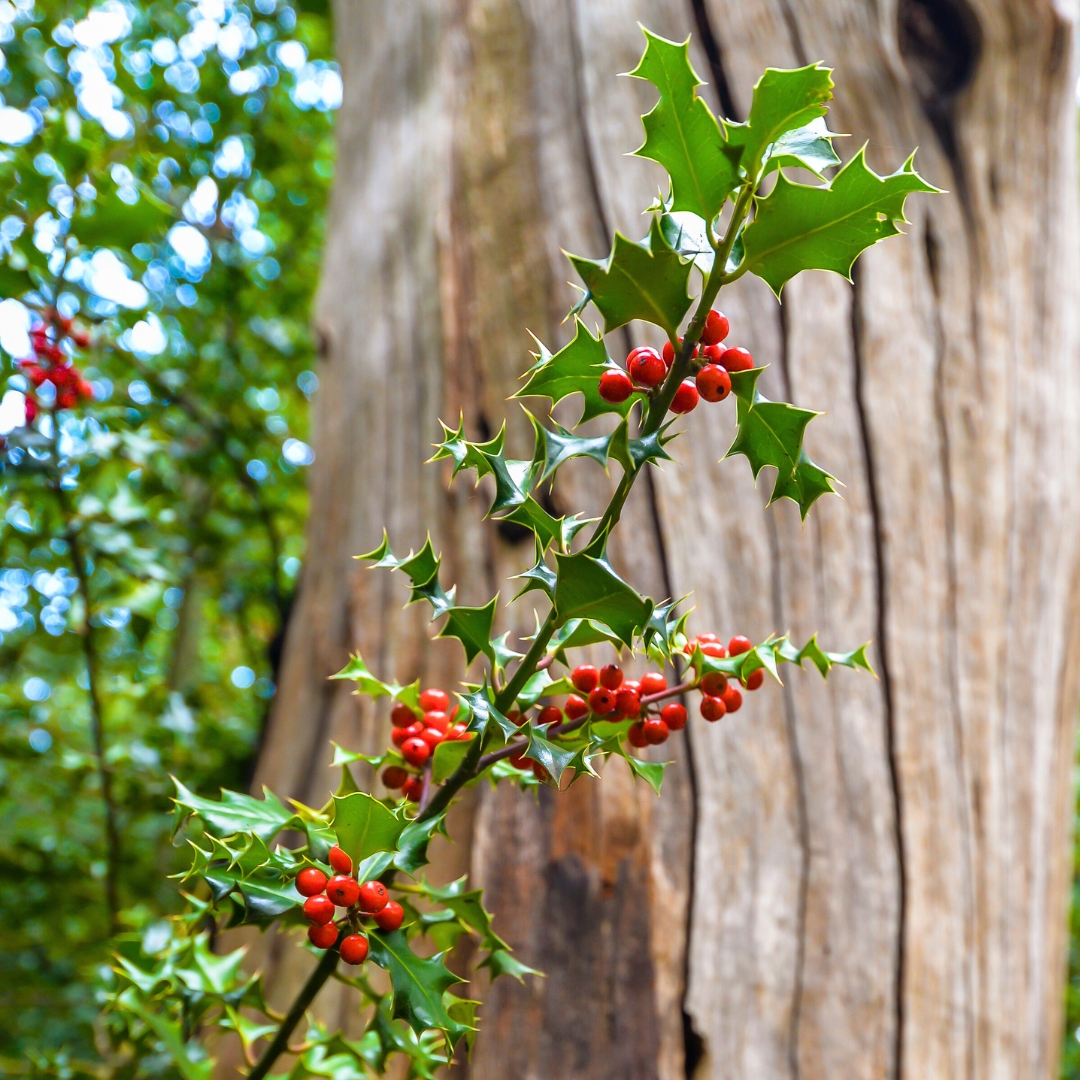
Greenleaf American Holly
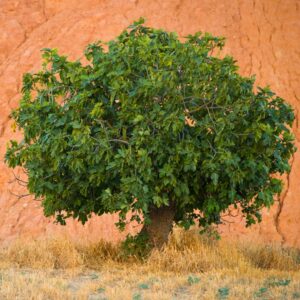
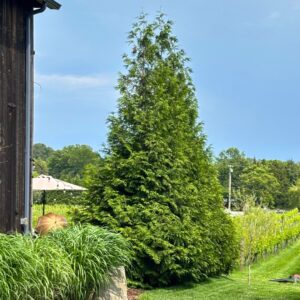
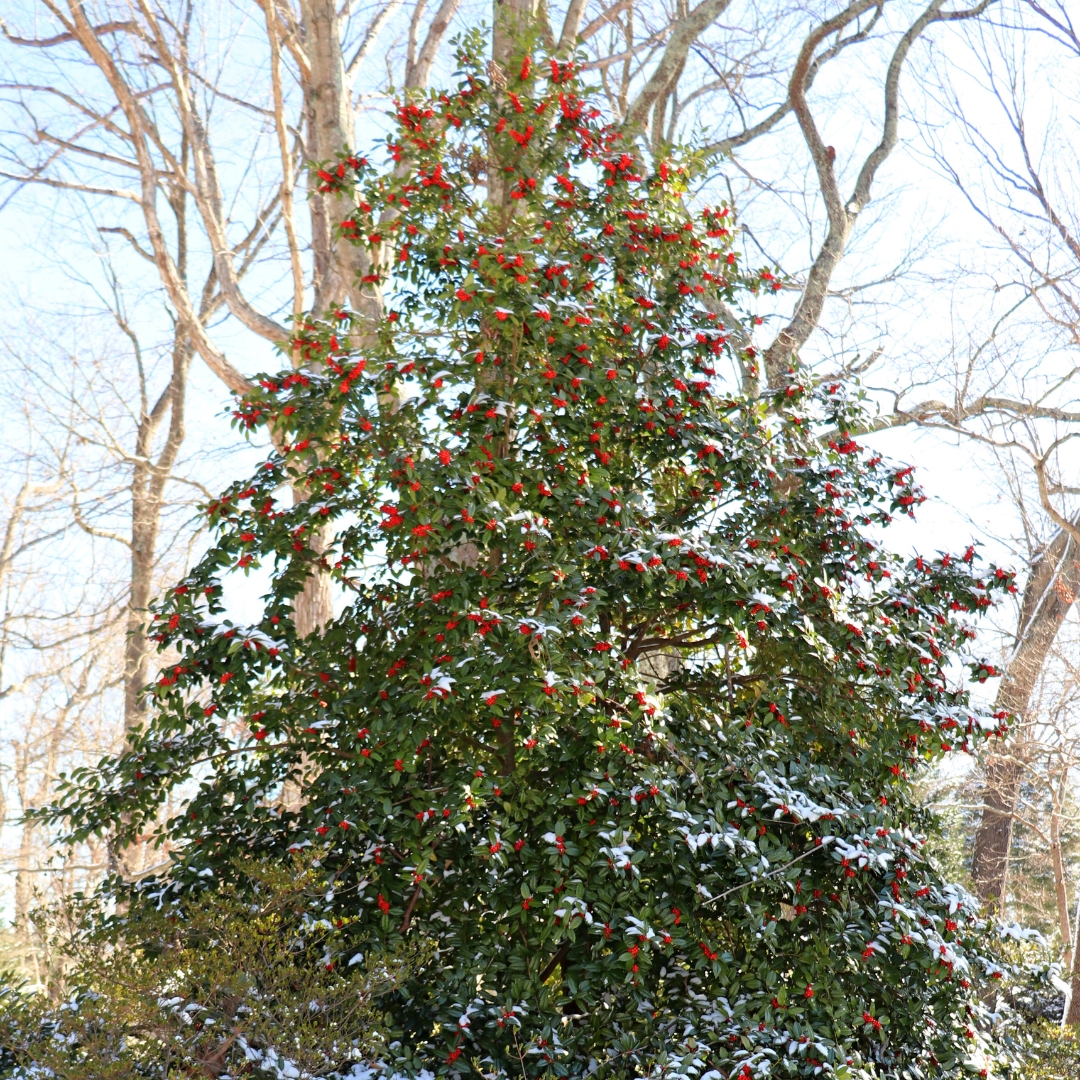
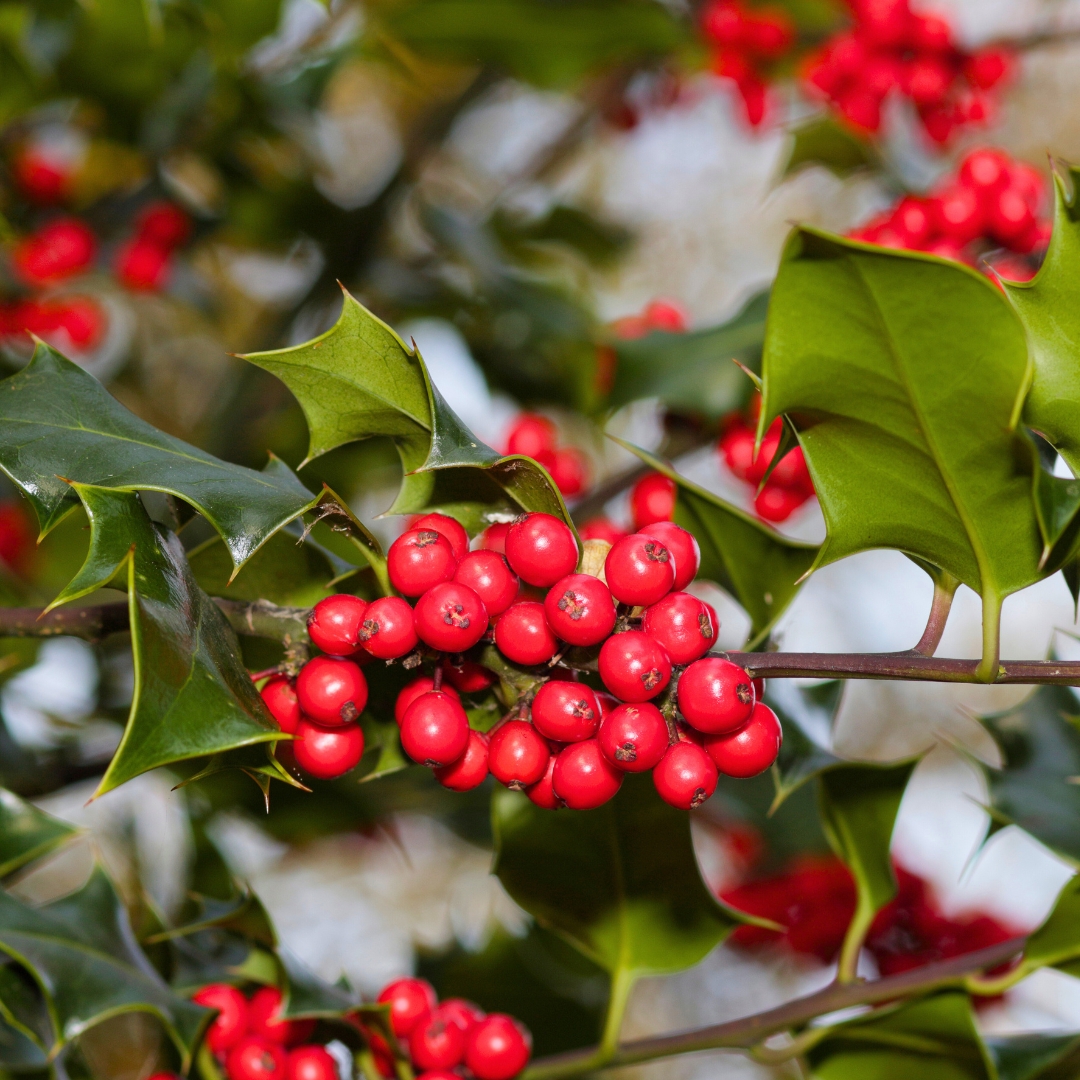
Ilex opaca ‘Greenleaf’Greenleaf American Holly is a graceful, native evergreen tree celebrated for its glossy, spiny-edged foliage and bright red berries that persist well into winter. Its naturally pyramidal form and dense branching provide strong year-round presence, making it an elegant choice for specimen planting, foundation plantings, or as part of a privacy screen. The deep green leaves remain vibrant throughout the seasons, while the clusters of red berries on female plants add striking seasonal color that enhances gardens during the colder months when most plants have gone dormant.
As a native tree, Greenleaf American Holly contributes to local ecosystems by providing food and shelter for birds and other wildlife. Its dense foliage offers protective cover, and the berries serve as a valuable food source in fall and winter. This combination of ornamental appeal and ecological value makes Greenleaf Holly a favorite among homeowners and landscape designers who want plants that are both beautiful and wildlife-friendly.
Greenleaf American Holly is also admired for its adaptability and relatively low maintenance requirements. It performs well in full sun to partial shade and prefers slightly acidic to neutral, well-drained soils. The tree is durable, moderately drought-tolerant once established, and resistant to deer browsing, making it a practical and rewarding choice for both residential and commercial landscapes. Its elegant structure, year-round greenery, and winter berry display make it a standout addition to any garden or landscape setting.
Care Instructions:
Planting: Choose a site with full sun to partial shade and a well-drained, moist soil that is slightly acidic to neutral. For berry production, plant a compatible male American Holly nearby within pollination distance.
Sunlight: Prefers full sun but tolerates partial shade; more sun promotes denser foliage and stronger berry production.
Watering: Water regularly during establishment. Once mature, the tree tolerates occasional dry spells or moderate moisture fluctuations, but performs best with consistent soil moisture.
Fertilizing: Apply a balanced or acid-forming fertilizer in early spring to support healthy growth and berry development.
Pruning: Minimal pruning is required. Prune in late winter or early spring to maintain shape, remove damaged or crossing branches, or lightly thin for airflow.
Spacing: Allow adequate room depending on intended use. Space trees according to their mature spread (10–15 ft) to ensure proper growth and airflow.
Maintenance: It is low-maintenance once established. Remove any dead or weak stems as needed to encourage healthy growth and maintain overall structure.