

Granada Pomegranate
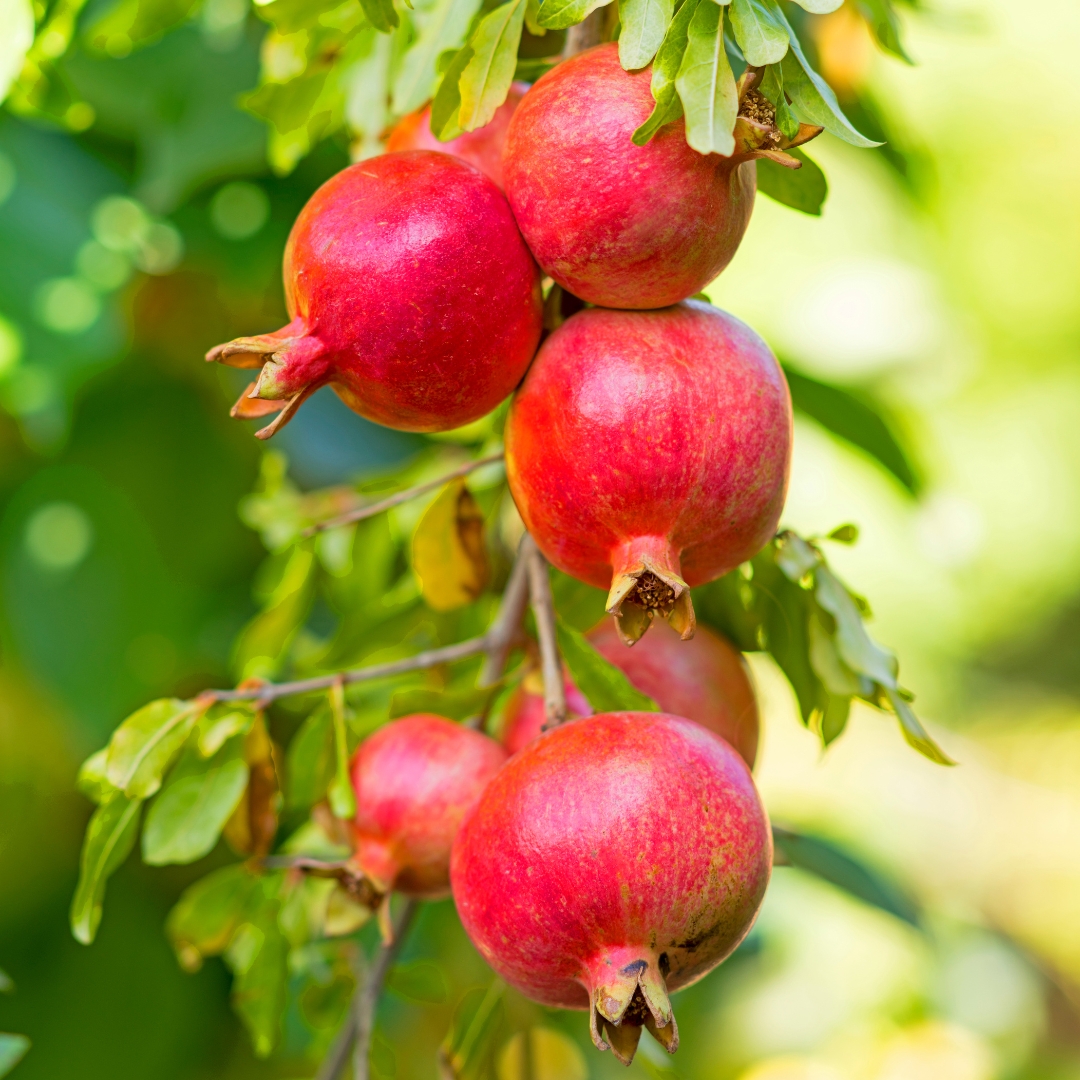
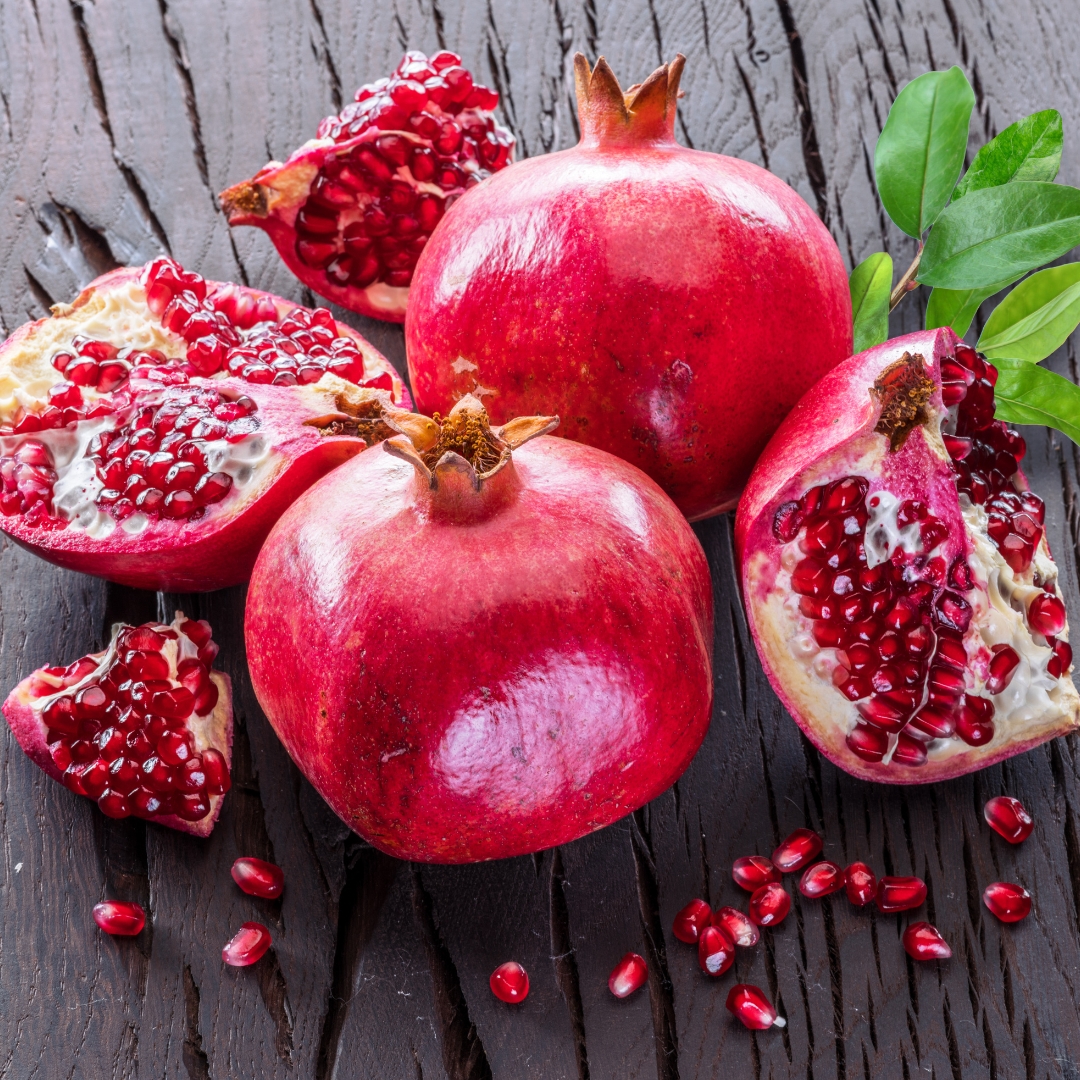
Punica granatum ‘Granada’Granada Pomegranate is a highly productive and early-ripening edible fruit tree cultivar known for its large, deep red fruit with sweet-tart arils that are excellent for fresh eating, juicing, preserves, salads, and culinary uses. As a sport or seedling of the classic Wonderful pomegranate, Granada typically ripens fruit about one month earlier than Wonderful and is noted for its slightly sweeter, less tart flavor. This makes it a popular choice for home orchards and backyard gardens where a longer harvest window and sweeter fruit are desired.
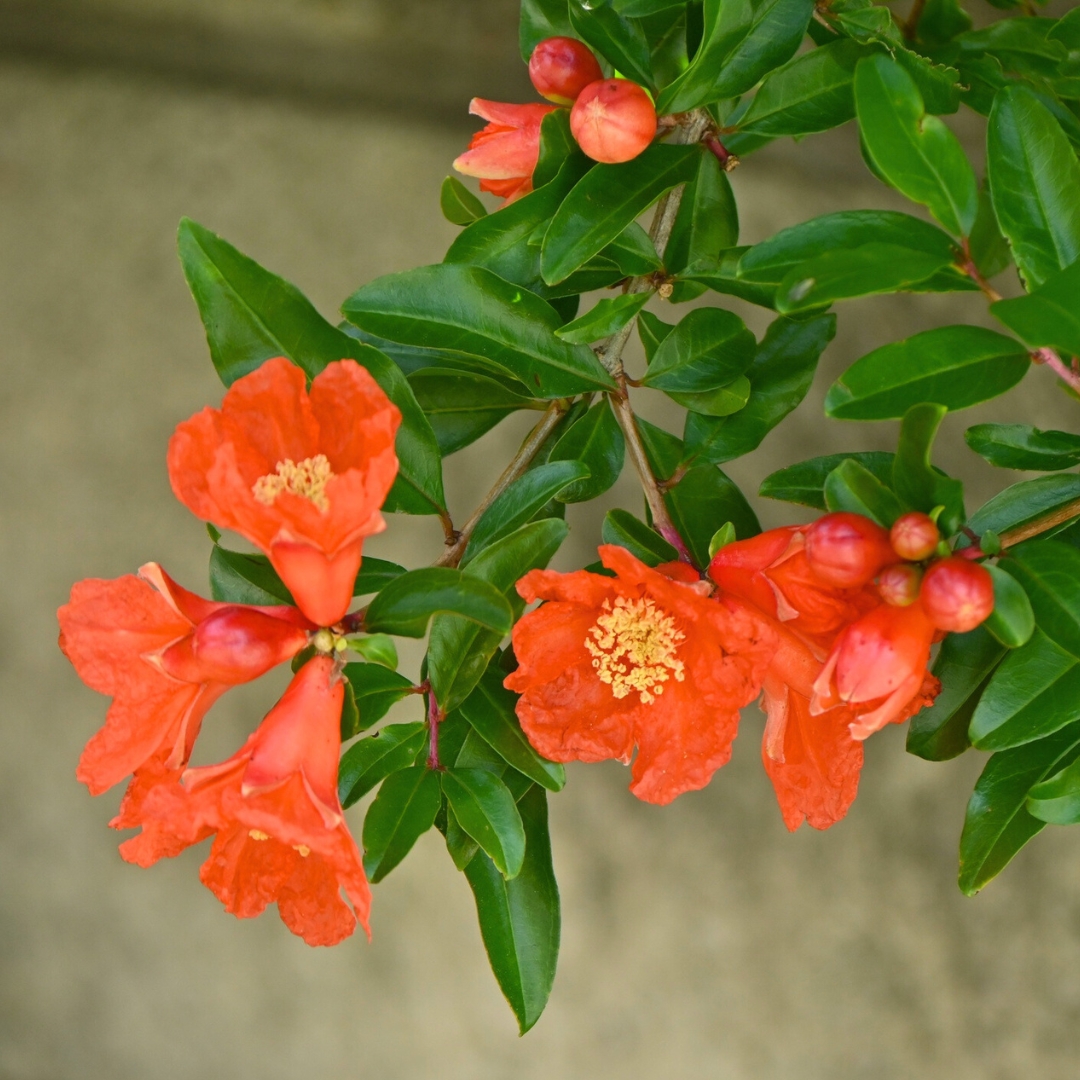
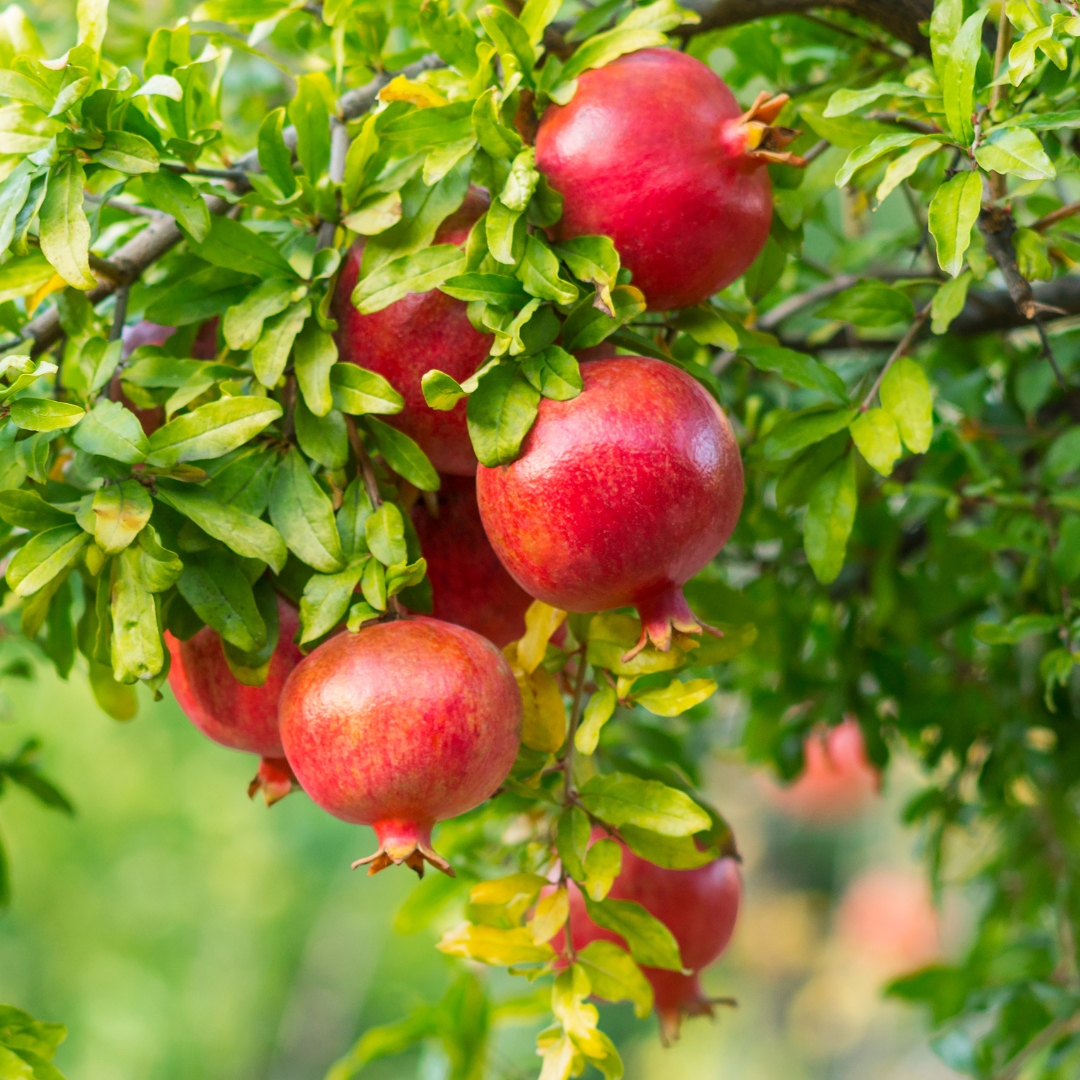
In spring, this deciduous shrub or small tree produces showy orange-red flowers that attract honey bees and beneficial pollinators while laying the foundation for abundant fruit set. As the season progresses, lush green foliage forms a dense canopy, providing ornamental interest through summer and into fall, and its attractive form adds landscape value even when not actively fruiting.
Granada’s fruit displays deep red skin and ruby-red arils that are juicy and flavorful, with a classic pomegranate character that balances acidity and sweetness, appealing to both fresh fruit lovers and culinary enthusiasts alike. The cultivar is suited to climates with ample warmth. Its fruit production and quality improve with heat and sunshine. Because it typically bears fruit earlier in the season than many other varieties, Granada can extend the harvest period in garden plantings.
Care Instructions:
Planting: Choose a site with full sun exposure. At least 6+ hours of direct sunlight daily for best fruit production, flavor development, and overall vigor.
Soil: Plant in well-drained soil. Granada is adaptable to a range of soil types but does not like standing water or poorly drained sites.
Watering: Water deeply during establishment and regularly during dry spells. Once established, Granada tolerates some drought but benefits from consistent moisture during flowering and fruit set.
Fertilizing: Apply a balanced, slow-release fertilizer in early spring before new growth begins to support healthy foliage and fruit production.
Mulching: Apply a 2–3″ layer of organic mulch around the base to conserve moisture, regulate soil temperature, and suppress weeds. Keep mulch a few inches from the trunk.
Pruning: Light pruning in late winter or early spring while dormant helps maintain structure and vigor. Remove suckers and weak wood to encourage strong fruiting branches.
Spacing: Space trees 12–20 ft apart to allow room for mature size, airflow, and sunlight penetration.
Maintenance: Monitor water and fertility, mulch annually, and prune as needed to maintain plant health and canopy structure.
Pollinator Required: No. This plant is self-fertile and will set fruit independently, though fruit set and yield may be enhanced by the presence of pollinators like bees visiting nearby flowering plants.
This pomegranate can be trained as a multi-trunk small tree or a bushy shrub, reaching a moderate to large size at maturity, and tolerates drought once established thanks to its Mediterranean heritage. Whether incorporated into an edible landscape, fruit orchard, or mixed shrub planting, Granada Pomegranate offers both ornamental structure and delicious fruit year after year.