

Frontenac Grape
Vitis riparia × Vitis rupestris ‘Frontenac’Frontenac Grape is a cold-hardy, vigorous wine grape vine prized for its adaptability, disease resistance, ornamental foliage, and rich reddish-purple fruit that is excellent for fresh eating, juice, jelly, and especially winemaking. Developed by the University of Minnesota for reliable performance in cooler climates, Frontenac is considered one of the hardiest European-style wine grapes available, thriving where many traditional Vitis vinifera vines struggle.
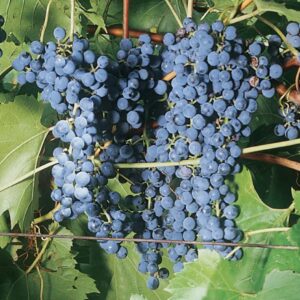
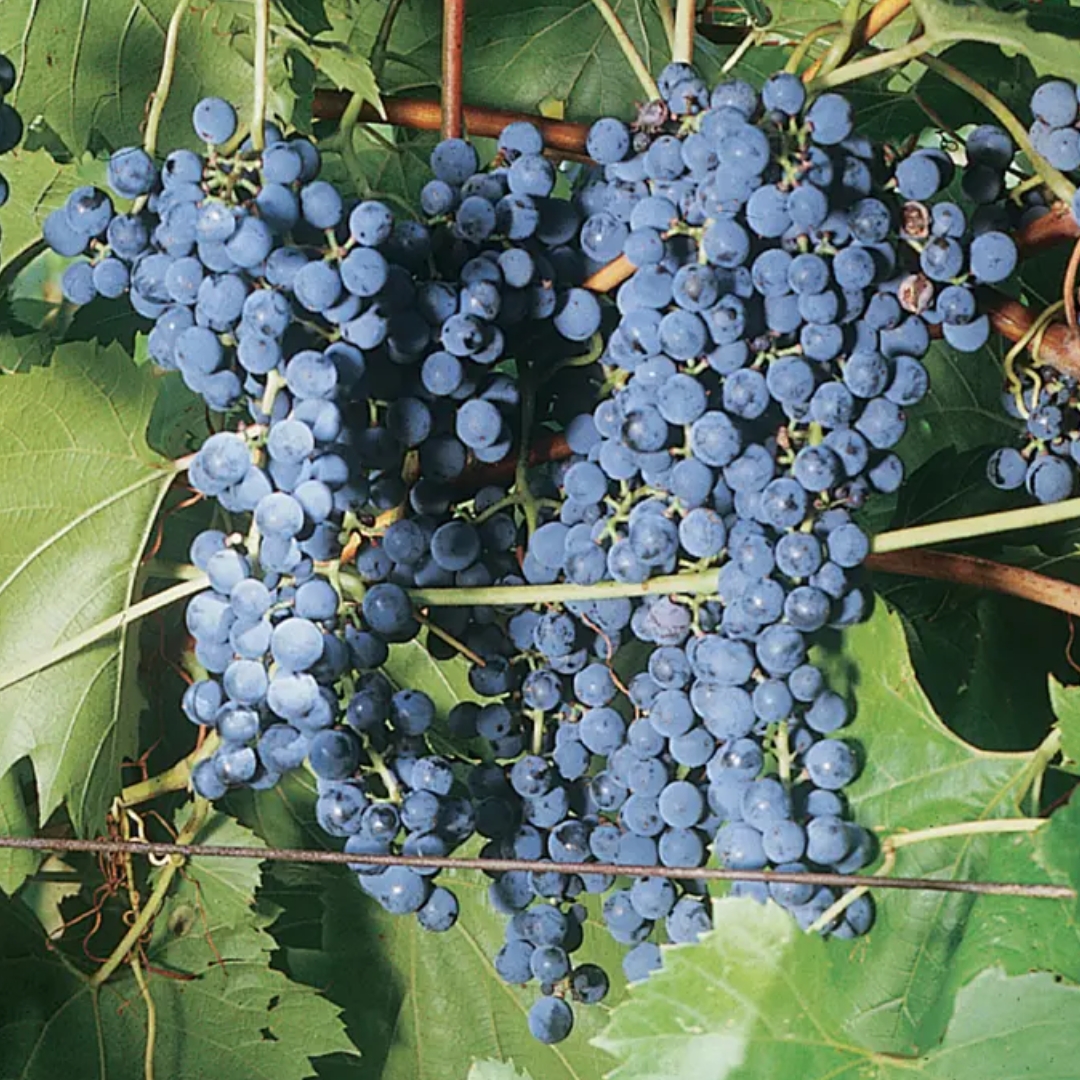
In late spring, Frontenac produces small greenish-white flowers that are valuable to bees and other pollinators yet are not particularly showy. These blooms give way to clusters of round, blue-black grapes by late summer to early fall (typically September). The fruit is known for its deep color, robust flavor, and high acidity, making it ideal for red wine production, rosé blends, juice, and culinary uses. Its bold flavor profile has made Frontenac a favorite among home winemakers and vineyard enthusiasts across northern regions.
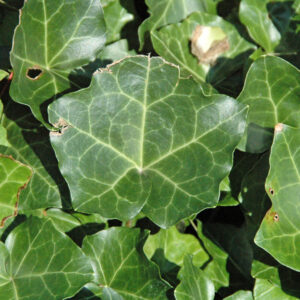
Beyond its fruit, Frontenac offers ornamental landscape value throughout the seasons. In summer, its dense green foliage provides lush texture and shade when grown on trellises, arbors, pergolas, or fences. In fall, the leaves take on spectacular autumn color, ranging from bright oranges to deep purples, adding seasonal interest long after harvest. The vine’s strong growth habit and resilience make it suitable for edible landscapes, home vineyards, and perennial borders where climbing vines are desired.
Frontenac is particularly well suited for USDA Hardiness Zones 3–8, tolerating cold winter temperatures that would damage many other grape types. Its disease resistance (particularly to downy mildew, black rot, and powdery mildew) adds to its reliability and reduces the need for intensive pest management, making it a strong choice for both novice and experienced growers seeking dependable performance and excellent fruit quality.
Care Instructions:
Planting: Choose a site with full sun exposure. At least 6–8 hours of direct sunlight daily for best fruit production, well-developed flavors, and healthy canopy.
Soil: Plant in well-drained, fertile soil. Frontenac tolerates a range of soil types but will not thrive in waterlogged conditions. Amending heavy clay soils with organic matter can improve drainage.
Watering: Water deeply during establishment. Maintain evenly moist soil through flowering and fruit set, especially during prolonged dry spells.
Fertilizing: Apply a balanced, slow-release fertilizer in early spring before new growth begins. Avoid over-fertilizing which can lead to excessive foliage at the expense of fruit.
Mulching: Spread a 2–3″ layer of organic mulch around the base to conserve moisture, regulate soil temperature, and suppress weeds. Keep mulch a few inches away from vine trunks.
Training & Support: Install a trellis, arbor, pergola, or fence at planting and train vines as they grow to maximize sun exposure and airflow.
Pruning: Prune annually in late winter or early spring while vines are dormant. Remove old, weak, or diseased wood and retain strong canes for next season’s crop.
Spacing: Space vines 8–10 ft apart or as needed for support structure and sunlight access.
Maintenance: Monitor vine vigor, soil moisture, and potential pest or disease issues. Prune for structure and productivity.
Pollinator Required: No. This plant is self-fertile and will set fruit independently, though bees and other pollinators visiting nearby plants can improve fruit set and overall biodiversity.
Whether grown for wine, fresh eating, or ornamental use, Frontenac Grape is a resilient and rewarding vine with multi-season landscape benefits.