

Elliot Blueberry
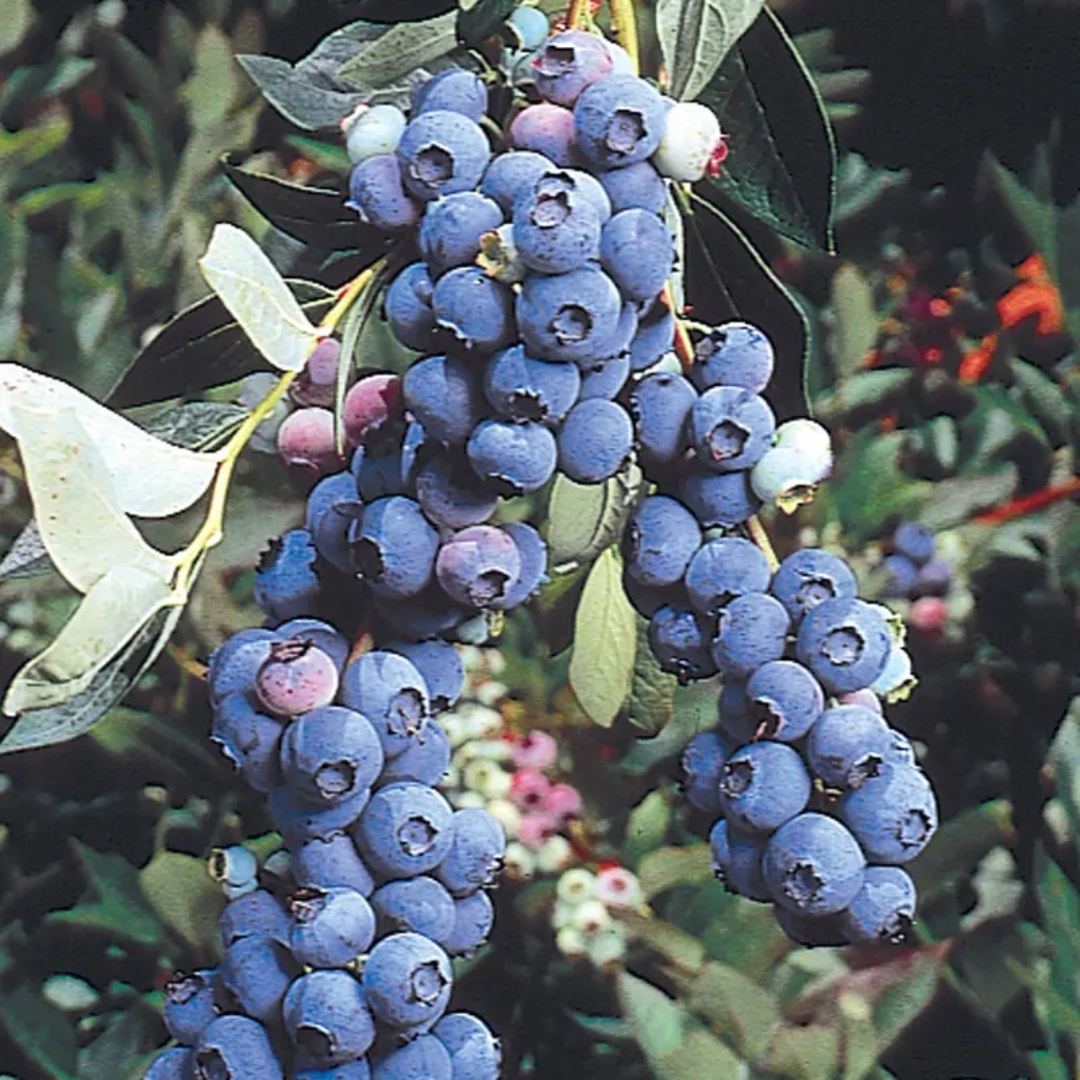
Vaccinium corymbosum ‘Elliott’Elliott Blueberry is a vigorous and versatile highbush blueberry cultivar prized for its abundant late-season fruit, appealing garden habit, and extended harvest window. Originally developed for adaptability and strong performance in diverse climates, Elliott has become a reliable choice for growers seeking berries that ripen after many other varieties have finished. Its firm, medium-sized berries typically develop in late summer to early fall, providing sweet, slightly tart blueberries ideal for fresh eating, baking, freezing, canning, and preserves.
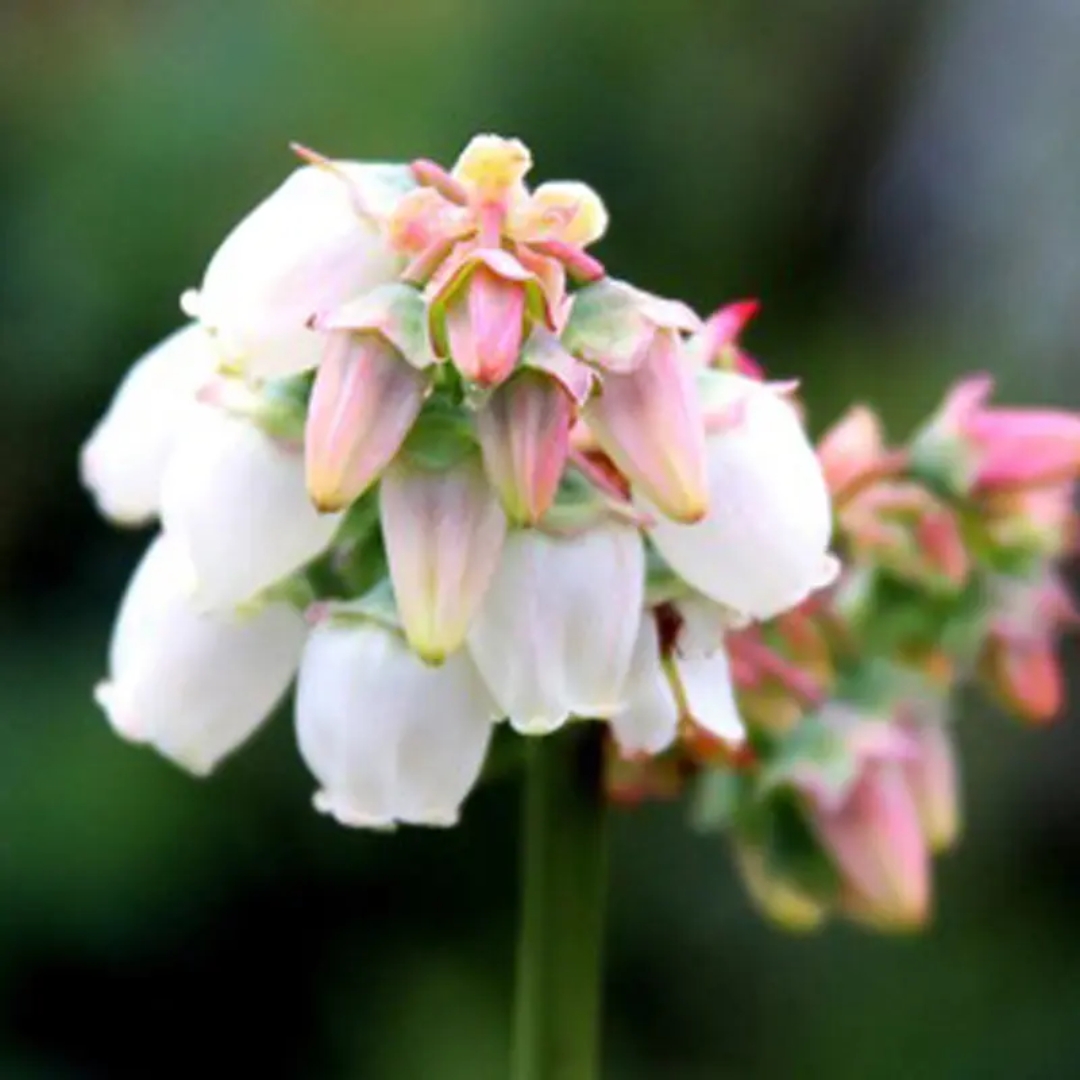
One of Elliott’s signature strengths is its adaptability to a range of conditions. It thrives in USDA Hardiness Zones 4–8, making it suitable for northern climates with cool winters to warmer temperate regions, including the Mid-Atlantic and beyond. The shrub’s upright, rounded habit generally reaches about 4–6 feet tall and wide at maturity, giving it presence in edible gardens, mixed borders, hedgerows, or mass plantings. In spring, Elliott produces the characteristic bell-shaped flowers of highbush blueberries, white to cream in color, that attract bees and other pollinators to support fruit set and garden biodiversity.
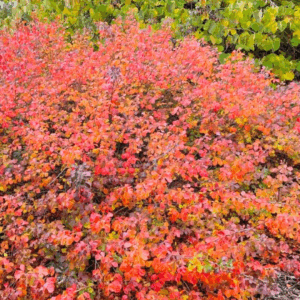
Elliott’s late-season harvest complements early and mid-season varieties like Duke and Bluecrop, allowing home growers to enjoy a succession of fresh blueberries over a longer period. Beyond its fruiting utility, Elliott adds seasonal interest with attractive foliage that may take on autumn hues in cooler climates. Its fruit holds well on the shrub and often keeps flavor and texture longer than many highbush blueberries when picked at peak ripeness.
Care Instructions:
Planting: Choose a site with full sun exposure (6+ hours of direct sunlight daily) for best fruit production, foliage color, and overall vigor.
Soil: Plant in acidic, well-drained, fertile soil with a pH around 4.5–5.5. Blueberries require acidic conditions to thrive.
Watering: Water deeply and regularly during establishment and through dry spells. Maintain even moisture without waterlogging.
Fertilizing: Apply an acid-forming, slow-release fertilizer formulated for blueberries or other acid-loving plants in early spring before new growth begins.
Mulching: Spread a 2–3″ layer of organic mulch (pine bark, pine needles, etc.) around the base to conserve moisture, moderate soil temperature, and suppress weeds. Keep mulch a few inches from stems.
Pruning: Prune annually in late winter or early spring while dormant to remove dead wood, shape the shrub, and promote vigorous new canes that will bear fruit.
Spacing: Space plants 4–6 ft apart to allow room for mature growth and airflow.
Maintenance: Monitor soil pH and moisture levels, and prune as needed to maintain plant health and productivity.
Pollinator Required: Yes. This shrub is self-fertile, but planting additional blueberry varieties with overlapping bloom times (such as Duke or Bluecrop) can improve yields.
Overall, Elliott Blueberry is a dependable, productive, and visually appealing shrub that enhances edible landscapes with late-season bounty and ornamental appeal. Whether planted as part of a pollinator-friendly berry patch, along a garden border, or in contained edible plantings, Elliott delivers multi-season interest and tasty fruit that extends the blueberry harvest well into fall.