

Eastern Redbud
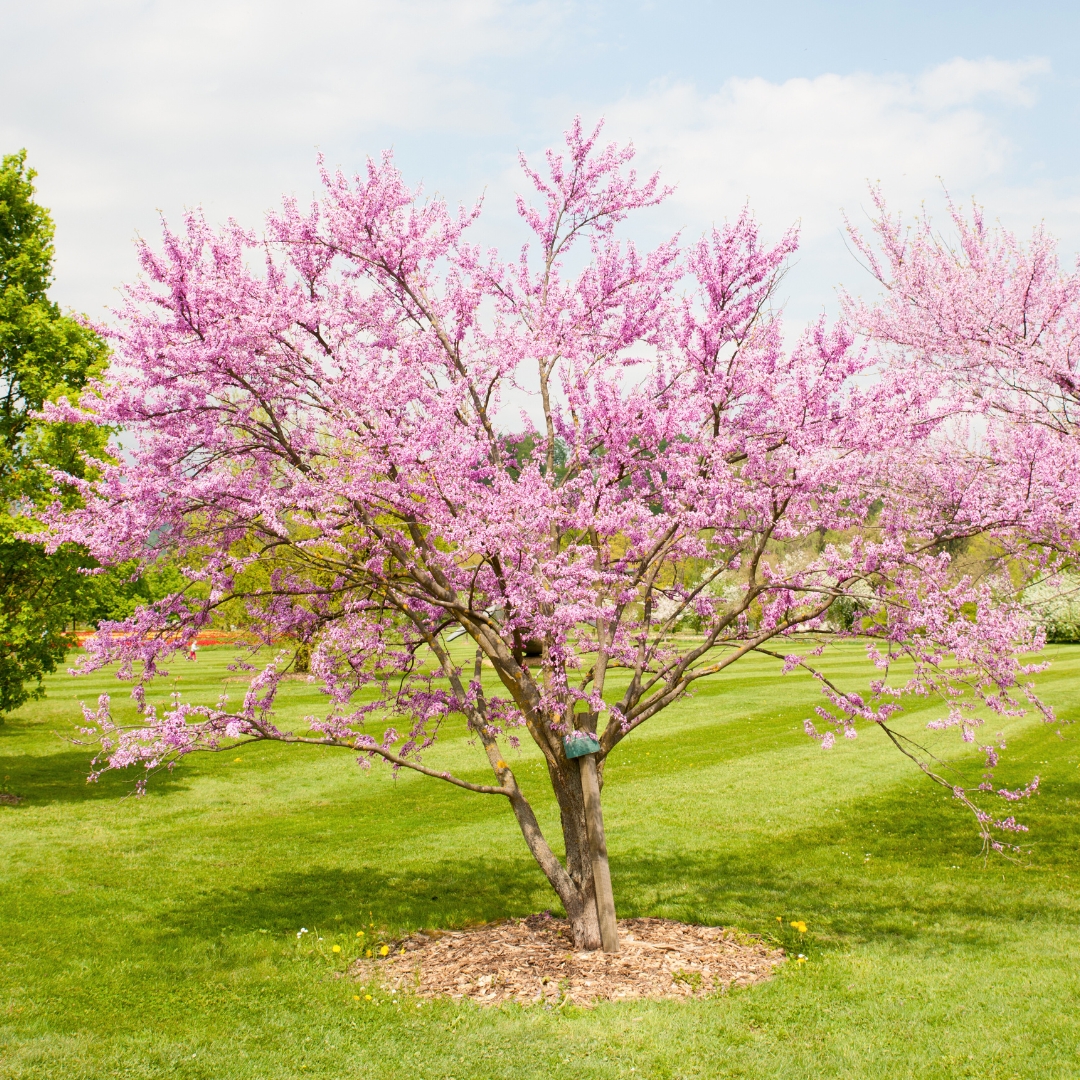
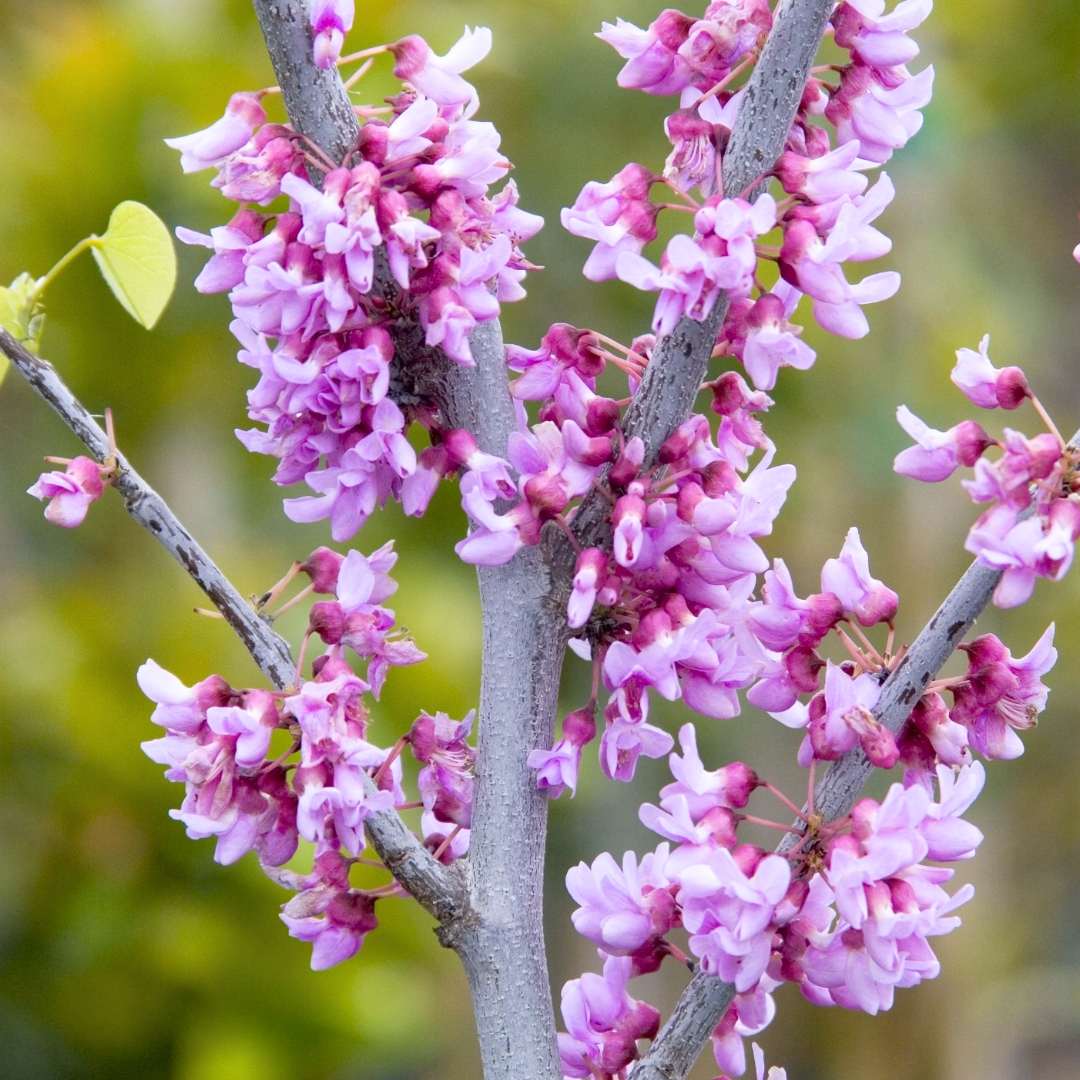
Cercis canadensisEastern Redbud is a native ornamental tree admired for its exceptional seasonal interest, graceful branching, and early spring blooms that brighten the landscape before most plants awaken. As one of the first flowering trees of the year, it delivers a dramatic display of rosy pink flowers that emerge directly from bare branches, creating a striking contrast against the still-muted tones of late winter. This early color makes Eastern Redbud a treasured focal point in residential gardens and naturalized landscapes alike.
The flowers of Eastern Redbud appear in dense clusters along branches and even on the trunk, producing a unique, eye-catching bloom pattern known as cauliflory. This natural habit gives the tree a sculptural quality and makes it especially appealing when viewed up close along walkways or near entryways. The blossoms persist for several weeks, offering extended visual interest during the transition from winter to spring.
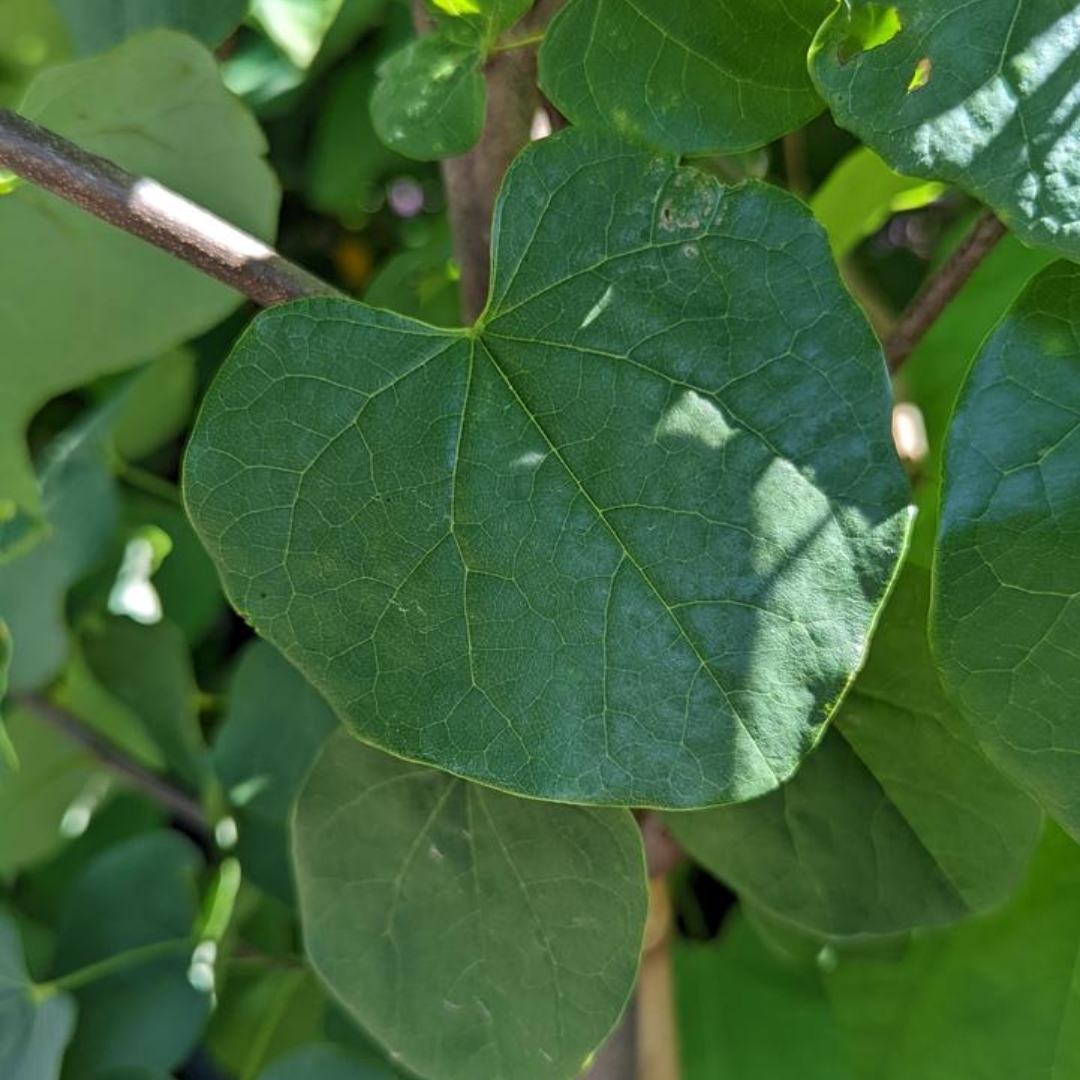
As the blooms fade, fresh green, heart-shaped leaves begin to unfurl, softening the tree’s outline and forming a rounded, gently spreading canopy. The foliage remains attractive throughout the growing season, providing light shade and a pleasing texture that complements both flowering perennials and evergreen plantings. Eastern Redbud’s leaf shape and airy form give it a refined appearance without feeling formal or rigid, allowing it to blend seamlessly into a wide range of landscape styles.
During summer, Eastern Redbud serves as an elegant accent tree, offering visual balance without overwhelming surrounding plants. Its moderate size makes it especially well-suited for smaller properties, courtyards, and urban gardens where space is limited but impact is desired. In fall, the foliage may transition to soft yellow tones before dropping, revealing the tree’s distinctive branching structure that adds architectural interest throughout winter.
Care Instructions:
Planting: Choose a full sun to partial shade location for best flowering and overall growth.
Soil: Plant in well-drained soil. This tree is adaptable to a variety of soil types.
Watering: Water regularly during establishment. Once established, provide supplemental water during prolonged dry periods.
Fertilizing: Fertilize lightly in early spring if needed. Excessive fertilization is not required.
Pruning: Prune after flowering to maintain shape and remove dead or crossing branches.
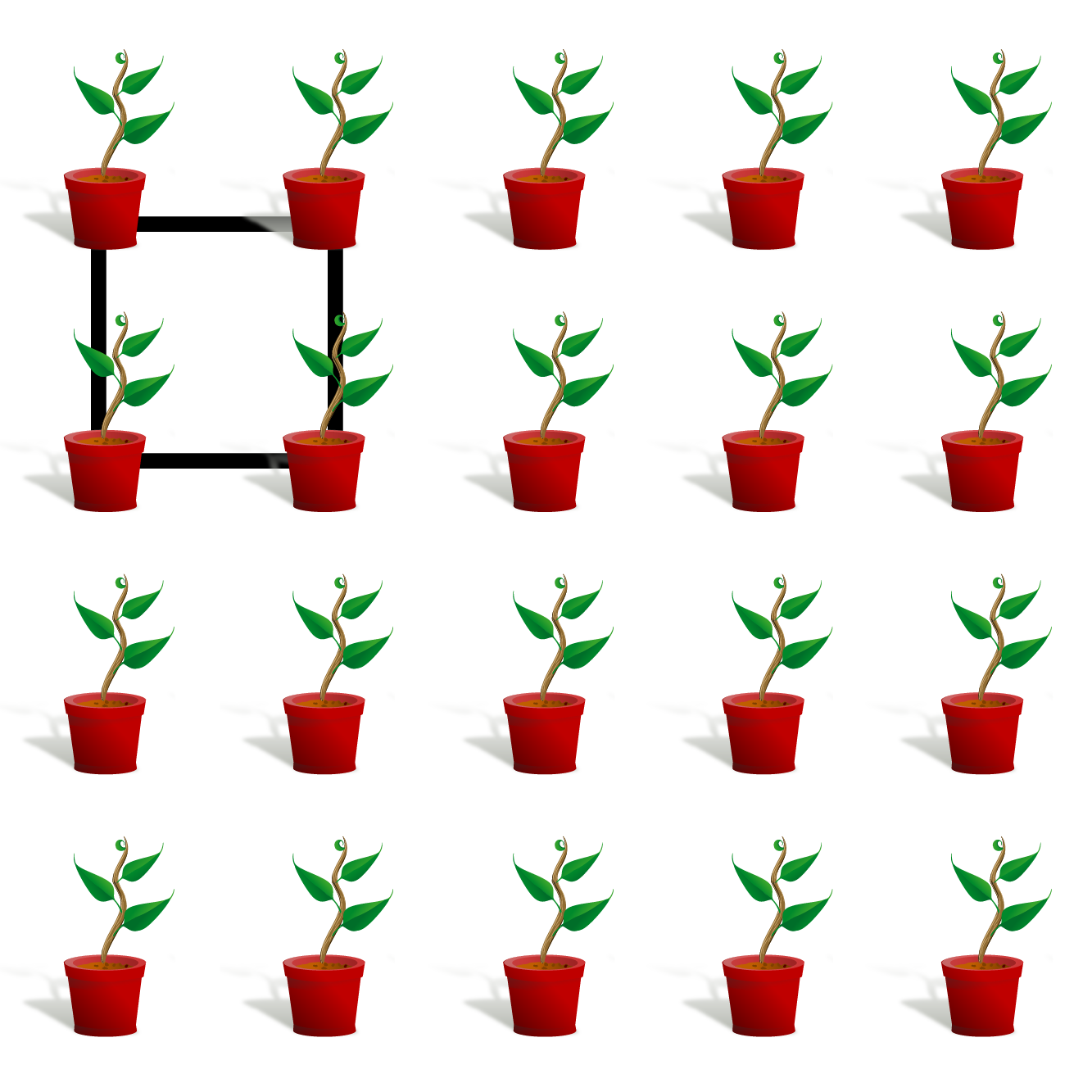
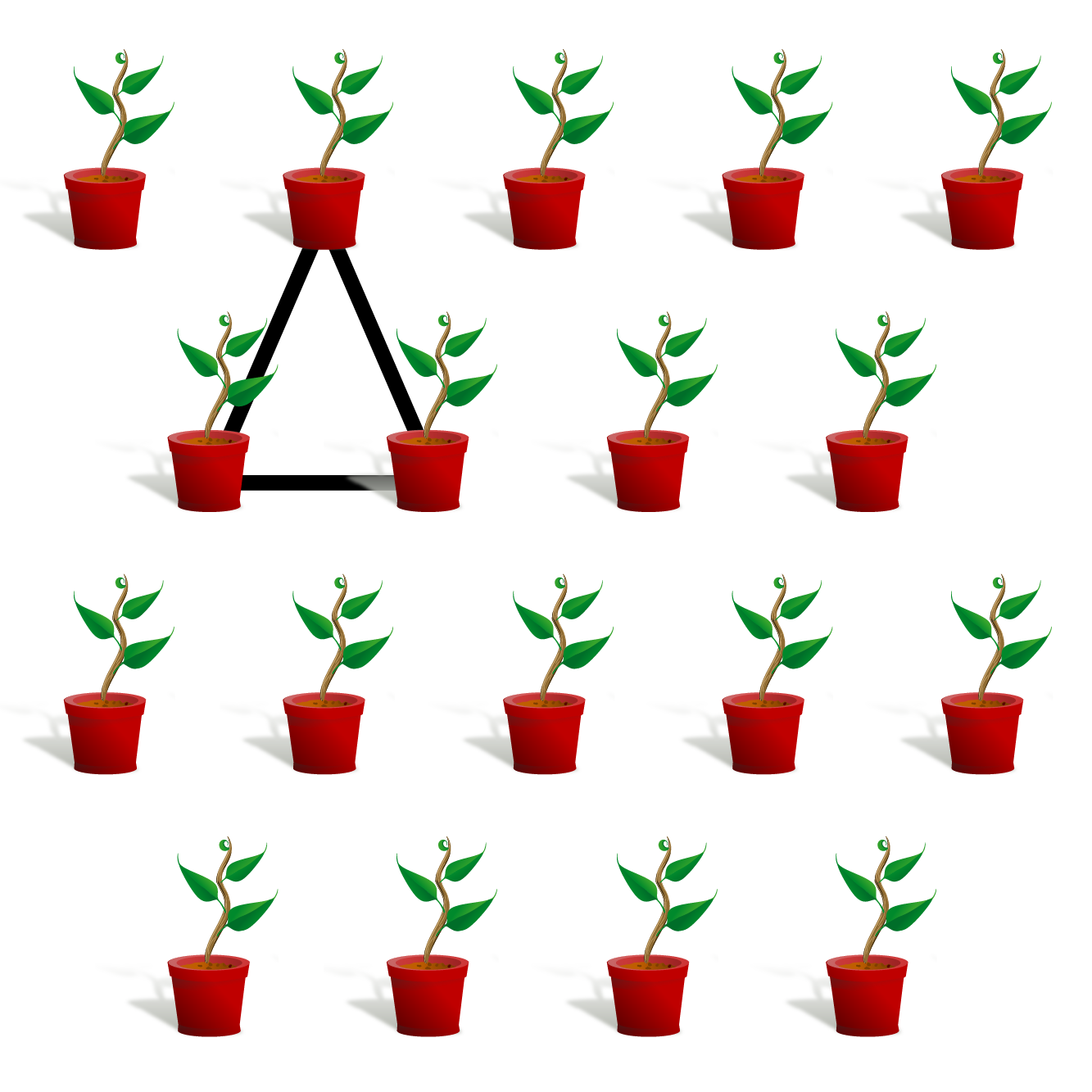
Spacing: Space trees 20–30 ft apart to allow for mature growth.
Maintenance: Mulch annually and monitor moisture during establishment.
Eastern Redbud typically reaches 20–30 feet in height and width, forming a naturally pleasing shape with minimal pruning required. It thrives in full sun to partial shade and adapts well to a variety of soil conditions when planted in well-drained locations. As a native species, it is well suited to regional climates and offers dependable performance with moderate maintenance. Whether used as a specimen tree, planted in small groupings, or incorporated into mixed borders, Eastern Redbud brings year-round beauty and seasonal drama to the landscape.
Size: Unless the product is labeled “B&B,” it comes in a container rather than ball-and-burlap. Sizes listed with ‘Cal.’ indicate the caliper of the trunk.