

Dwarf Tilton Apricot
Prunus armeniaca ‘Tilton’Dwarf Tilton Apricot is a compact form of the classic Tilton apricot, prized for its rich flavor, reliable production, and suitability for smaller landscapes and home orchards. Tilton has long been regarded as one of the finest apricot varieties for both fresh eating and culinary use, and the dwarf form offers the same high-quality fruit on a more manageable tree. This makes Dwarf Tilton Apricot an excellent choice for gardeners who want abundant apricot harvests without the size and maintenance demands of a full-sized tree.
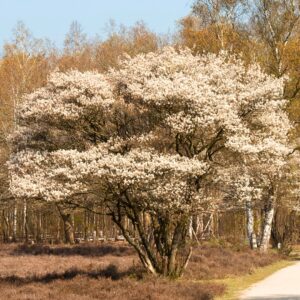
In early spring, Dwarf Tilton Apricot produces a profusion of soft white to pale pink blossoms that cover the bare branches before the foliage emerges. These early blooms bring welcome seasonal interest to the landscape and attract bees and other early pollinators. As temperatures warm, fresh green leaves emerge, forming a neat, rounded canopy that remains attractive throughout the growing season. The tree’s compact habit and ornamental flowering make it as visually appealing as it is productive.
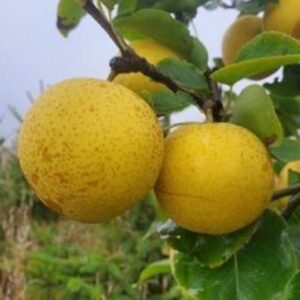
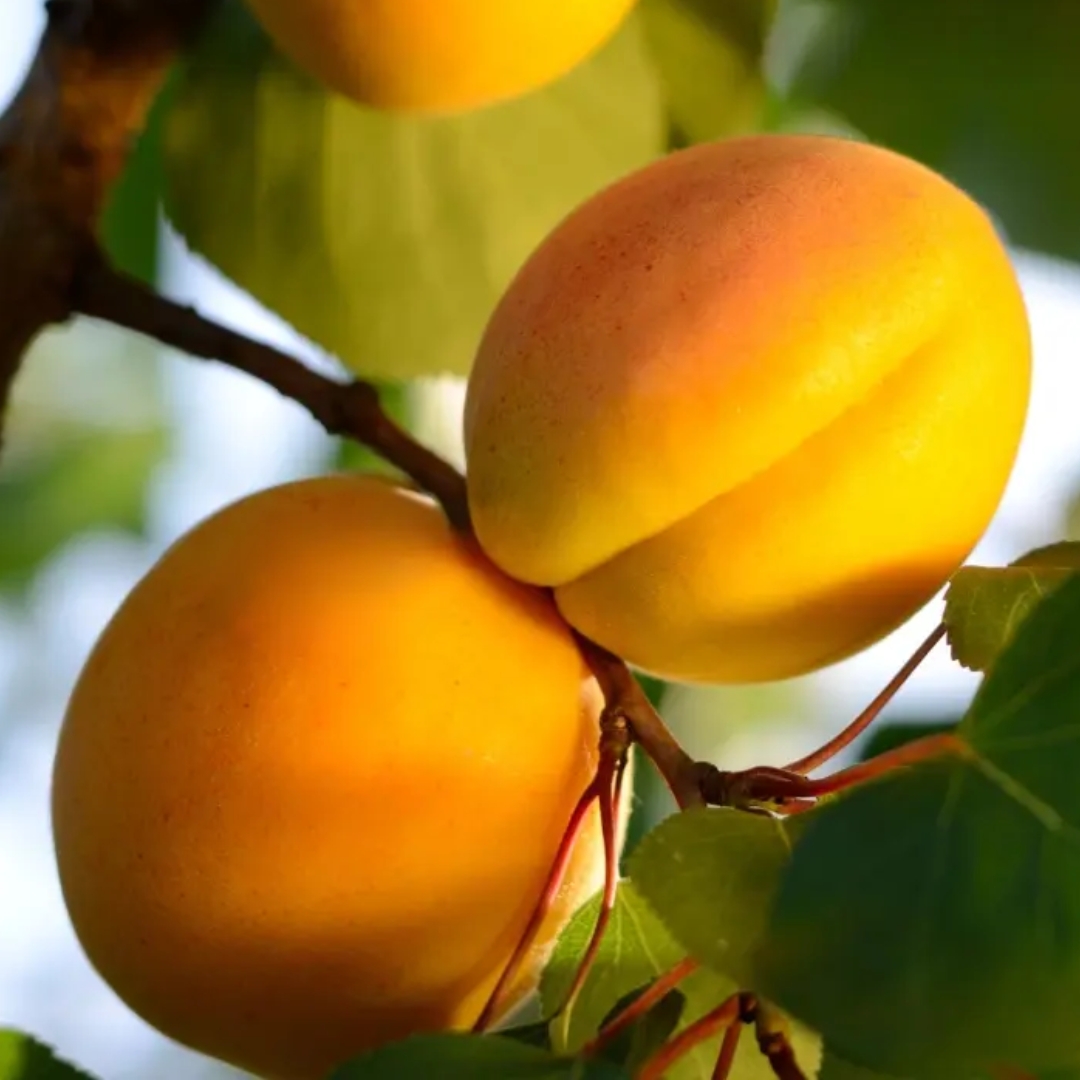
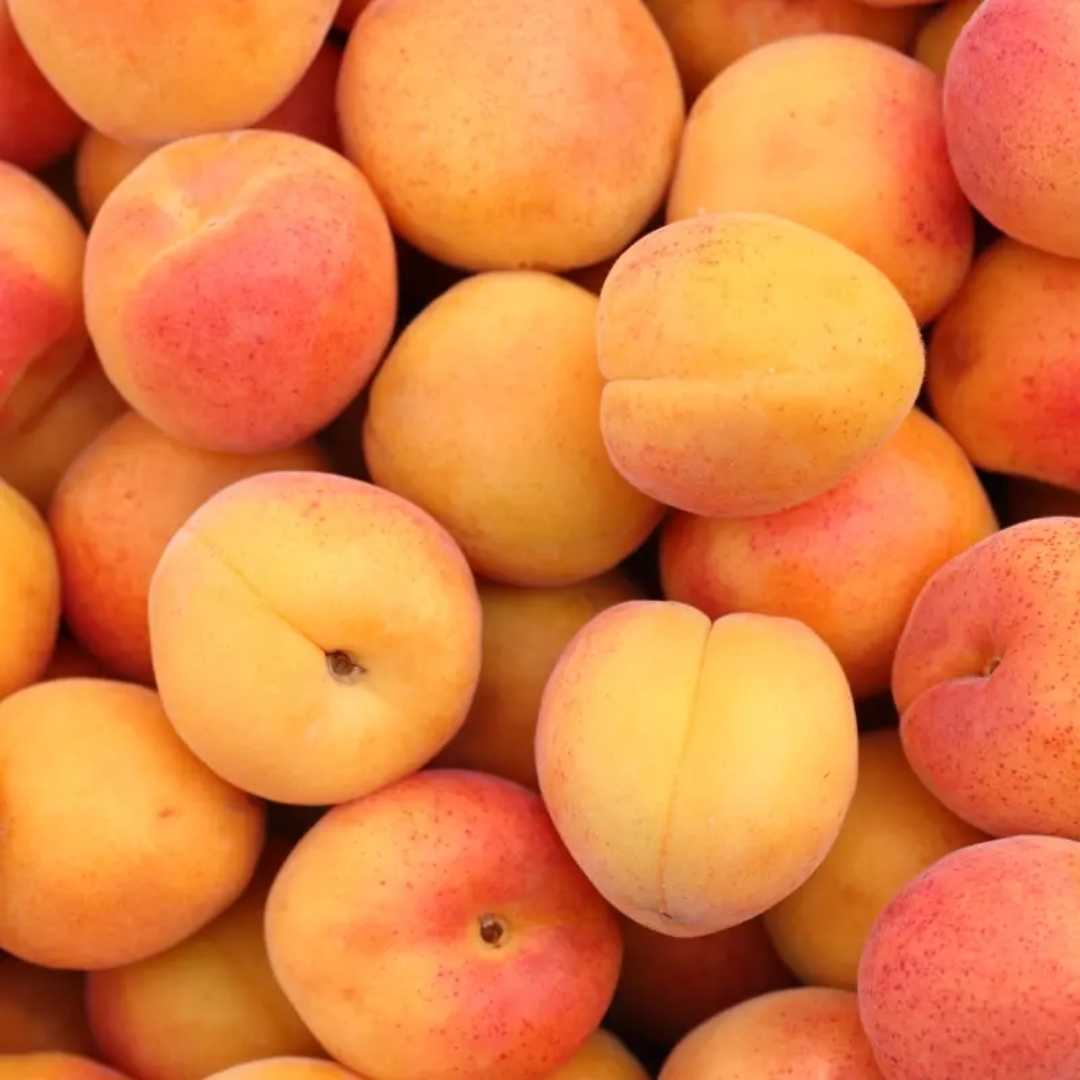
By mid-summer, Dwarf Tilton Apricot bears medium to large golden-orange fruit often blushed with red on the sun-exposed side. The flesh is firm, juicy, and richly flavored, offering a classic balance of sweetness and acidity that has made Tilton a favorite for generations. The fruit excels fresh from the tree and is especially valued for canning, drying, baking, and preserves, holding its flavor and texture exceptionally well when processed. Harvest typically occurs over a concentrated period, making it ideal for gardeners who enjoy preserving their crop.
Care Instructions:
Planting: Choose a location with full sun, providing at least 6–8 hours of direct sunlight daily to support flowering and fruit development.
Soil: Plant in well-drained soil. Avoid heavy or poorly draining sites, and amend soil as needed to improve drainage and root health.
Watering: Water deeply and regularly during establishment. Once established, provide consistent moisture during dry periods, especially while fruit is developing.
Fertilizing: Apply a balanced fertilizer in early spring before new growth begins. Avoid excessive nitrogen, which can reduce fruiting.
Pruning: Prune in late winter or early spring while dormant to remove dead or crossing branches and maintain an open, productive canopy.
Thinning: Thin fruit after set to prevent overcrowding, improve fruit size, and reduce stress on branches.
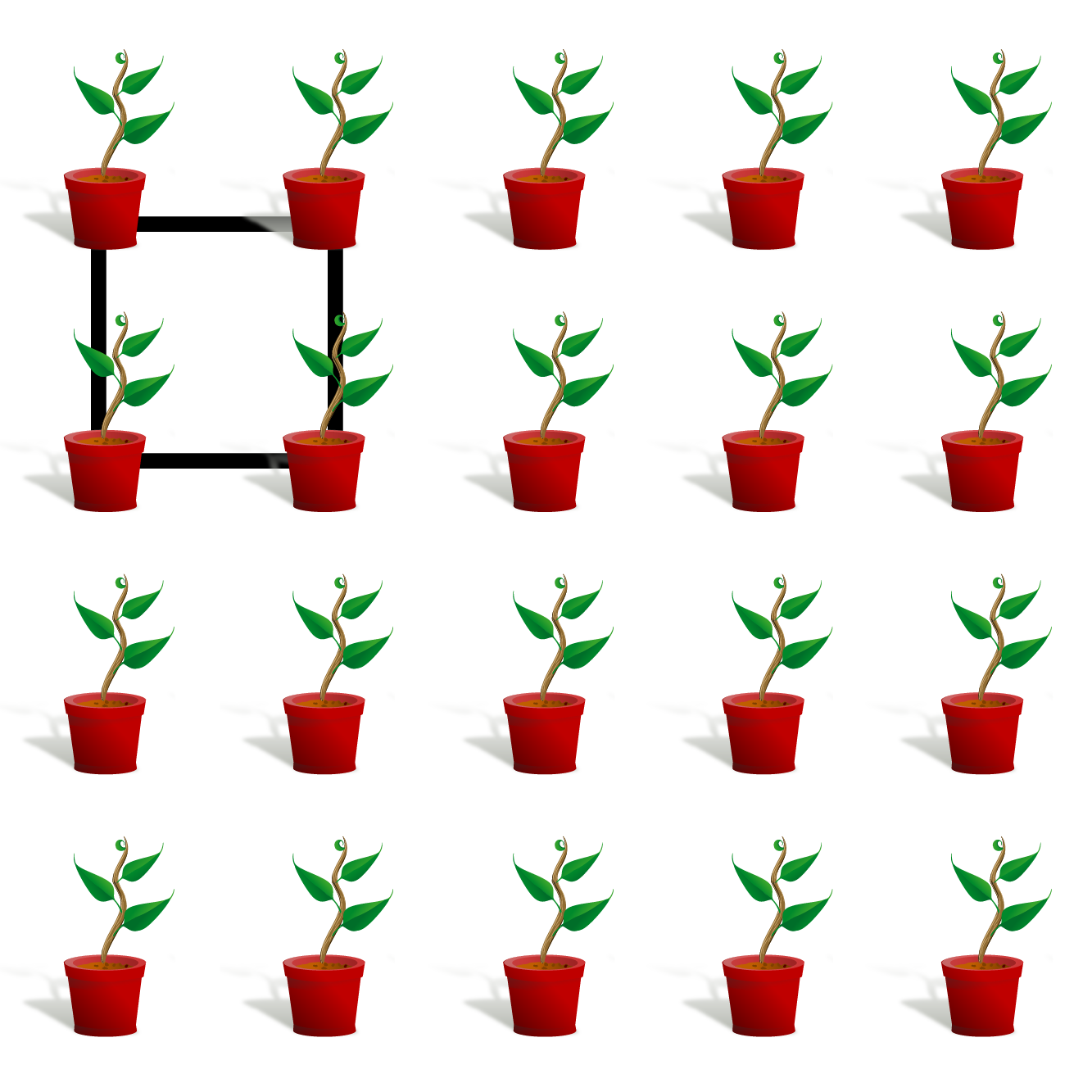
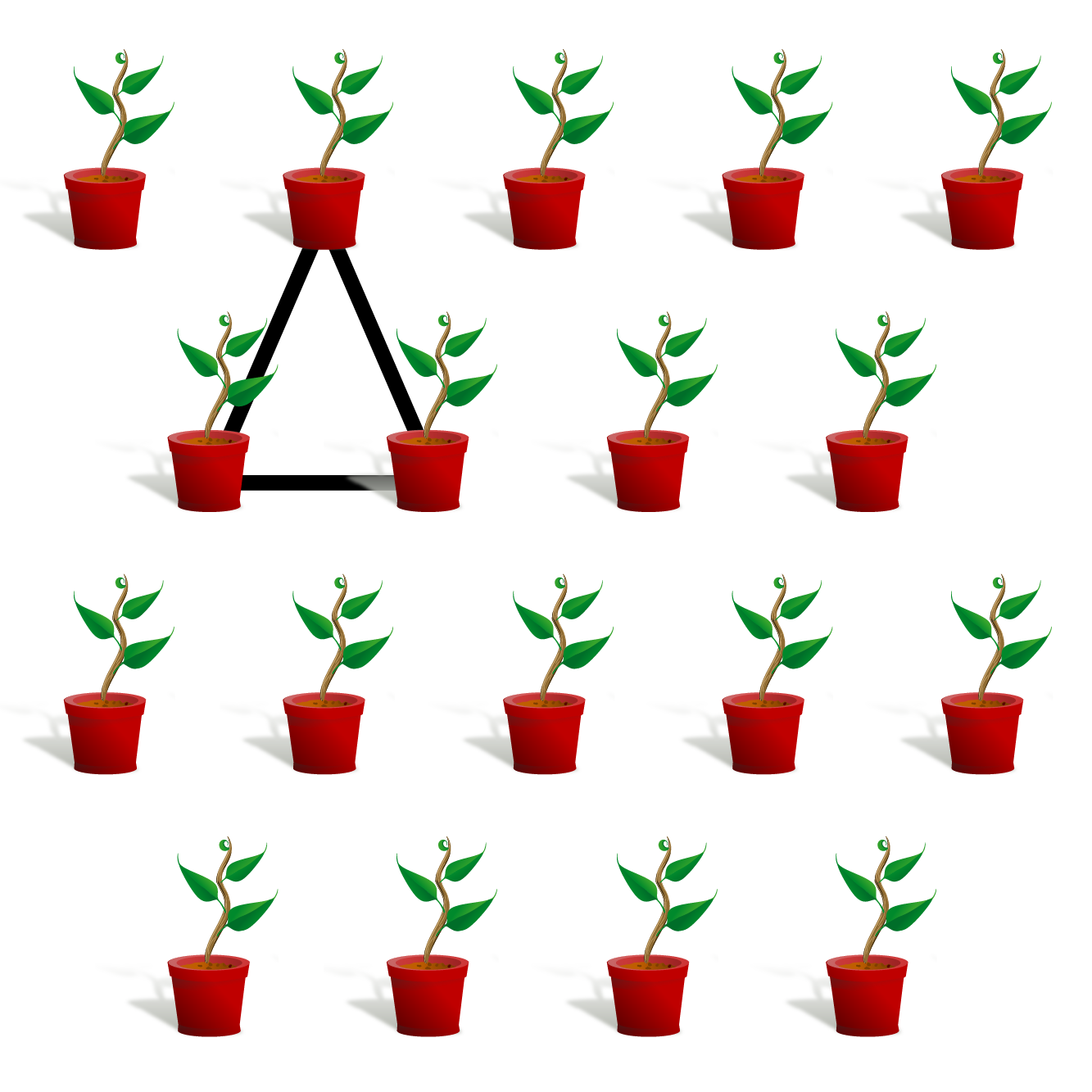
Spacing: Space trees 8–10 ft apart to allow for mature spread, airflow, and ease of maintenance.
Maintenance: Mulch annually to conserve moisture and suppress weeds, and monitor for pests and disease during the growing season.
Pollinator Required: No, this variety is self-fertile. It does not require another apricot for pollination, though nearby apricot trees, such as Moorpark, Goldcot, or Blenheim, may increase overall yields.
Dwarf Tilton Apricot grows with a naturally compact, spreading habit, typically reaching 8–10 feet tall and wide at maturity. This smaller stature allows for easier pruning, thinning, and harvesting, and makes the tree well suited for small gardens and container or patio settings. It performs best in full sun and well-drained soil, where good air circulation helps reduce disease pressure. While Tilton Apricot is self-fertile and capable of producing fruit on its own, proper site selection and consistent care greatly improve overall yield and fruit quality.