

Dwarf Goldcot Apricot
Prunus armeniaca ‘Goldcot’Dwarf Goldcot Apricot is a compact version of the popular Goldcot apricot, valued for its cold hardiness, dependable productivity, and high-quality fruit. Goldcot is especially well regarded in regions with late spring frosts, as it blooms slightly later than many apricot varieties, helping to protect flowers and improve fruit set. The dwarf form retains all the strengths of the standard cultivar while offering a manageable size that fits easily into smaller gardens, home orchards, and patio settings.
In early spring, Dwarf Goldcot Apricot produces delicate white to pale pink blossoms that open just after many other apricot varieties, reducing the risk of frost damage. These blossoms attract bees and early-season pollinators, supporting reliable fruit development while adding ornamental beauty to the landscape. As the season progresses, fresh green foliage emerges, forming a tidy, rounded canopy that remains attractive through summer and complements both edible and ornamental garden designs.
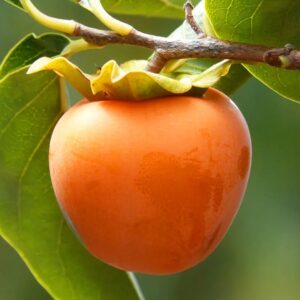
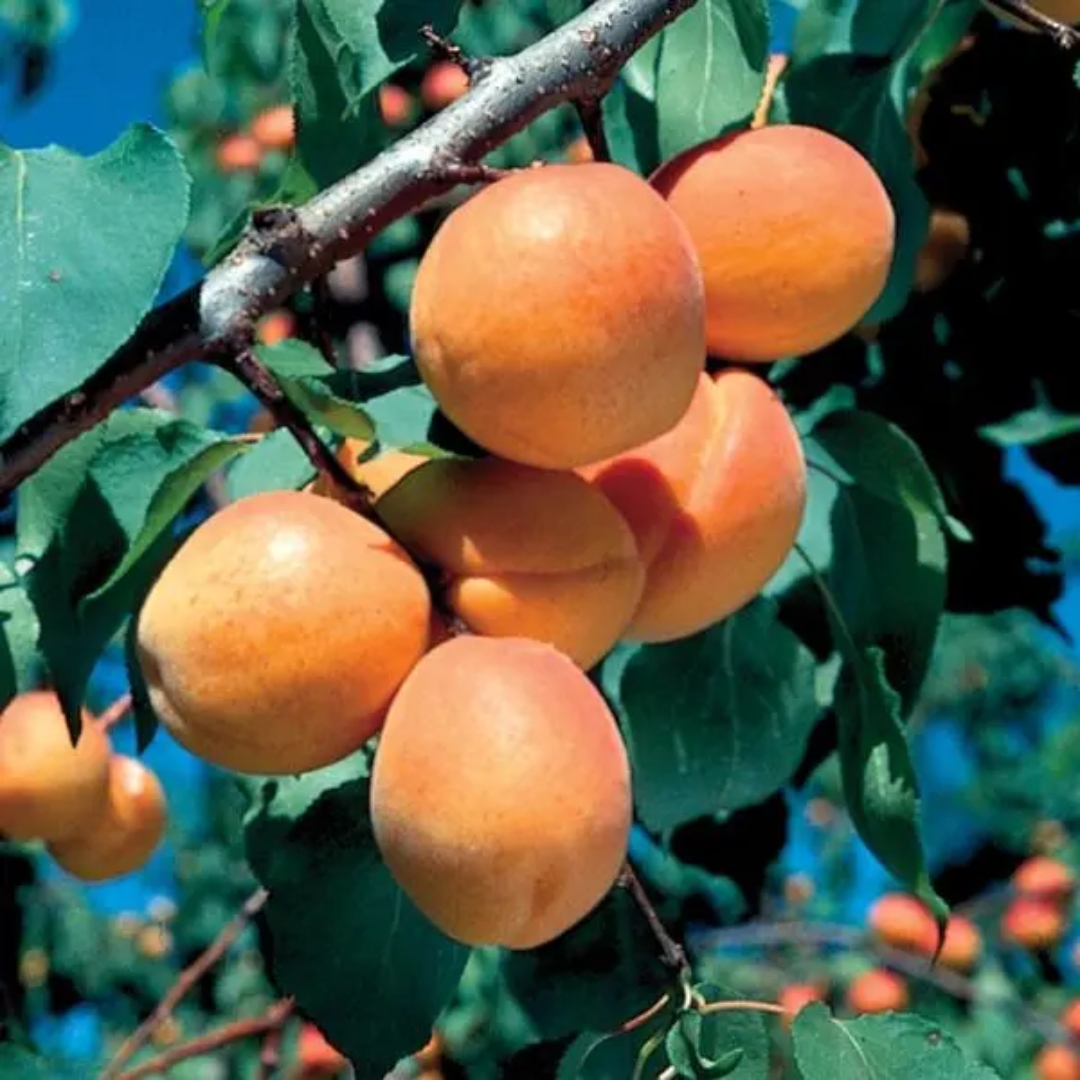
By mid- to late summer, Dwarf Goldcot Apricot bears medium-sized, bright golden-orange fruit with smooth skin and firm, flavorful flesh. The flavor is well balanced with a pleasant sweetness and mild acidity, making Goldcot apricots excellent for fresh eating as well as canning, drying, baking, and preserves. The firm texture allows the fruit to hold up well during processing, making this variety a favorite for gardeners who enjoy preserving their harvest.
Care Instructions:
Planting: Choose a location with full sun, providing at least 6–8 hours of direct sunlight daily to support flowering and fruit development.
Soil: Plant in well-drained soil. Amend heavy or poorly draining soils to improve drainage and root health.
Watering: Water deeply during establishment and provide consistent moisture during dry periods, especially while fruit is developing.
Fertilizing: Apply a balanced fertilizer in early spring before new growth begins. Avoid over-fertilizing with nitrogen.
Pruning: Prune in late winter or early spring while dormant to remove dead or crossing branches and maintain an open canopy.
Thinning: Thin fruit after set to improve fruit size and reduce stress on branches.
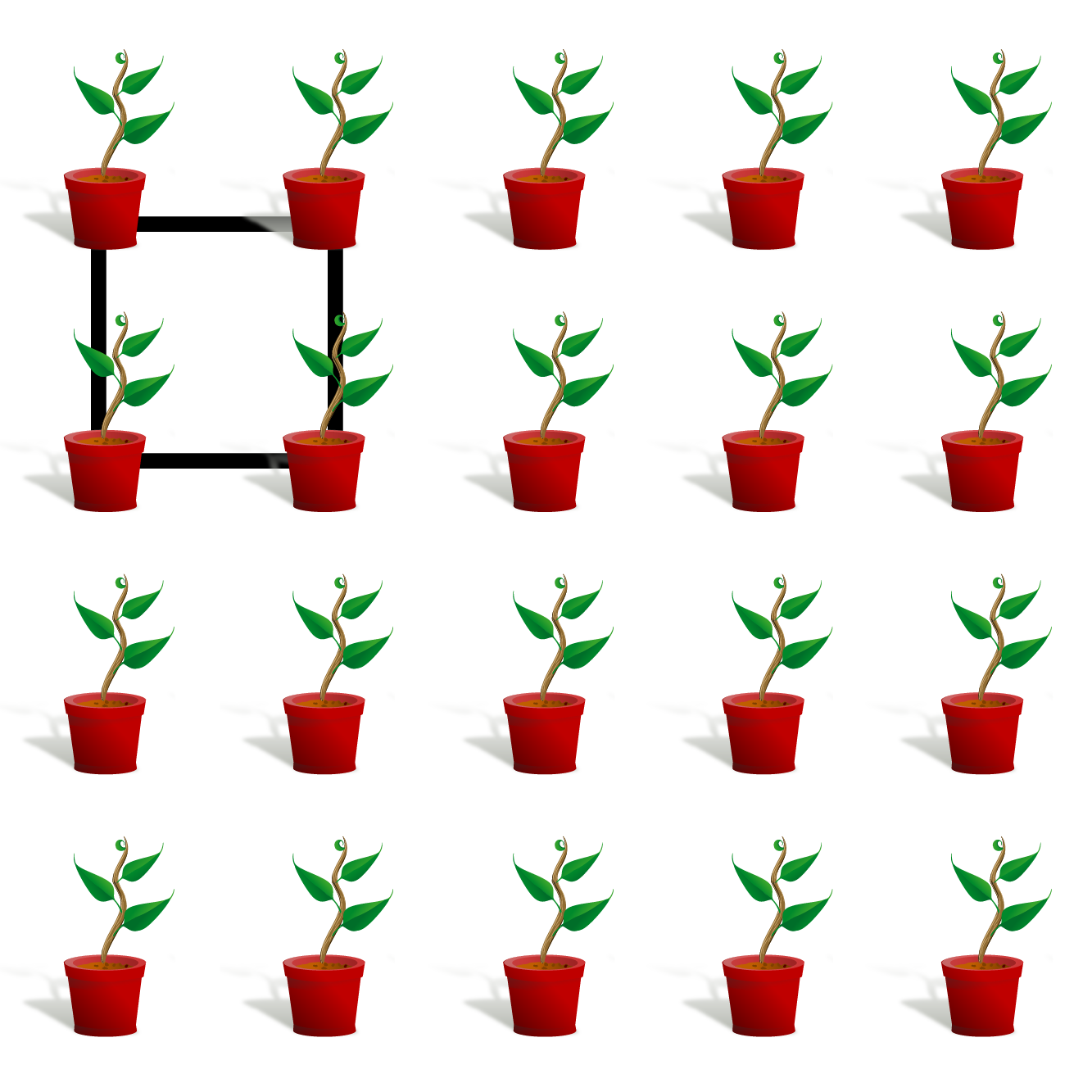
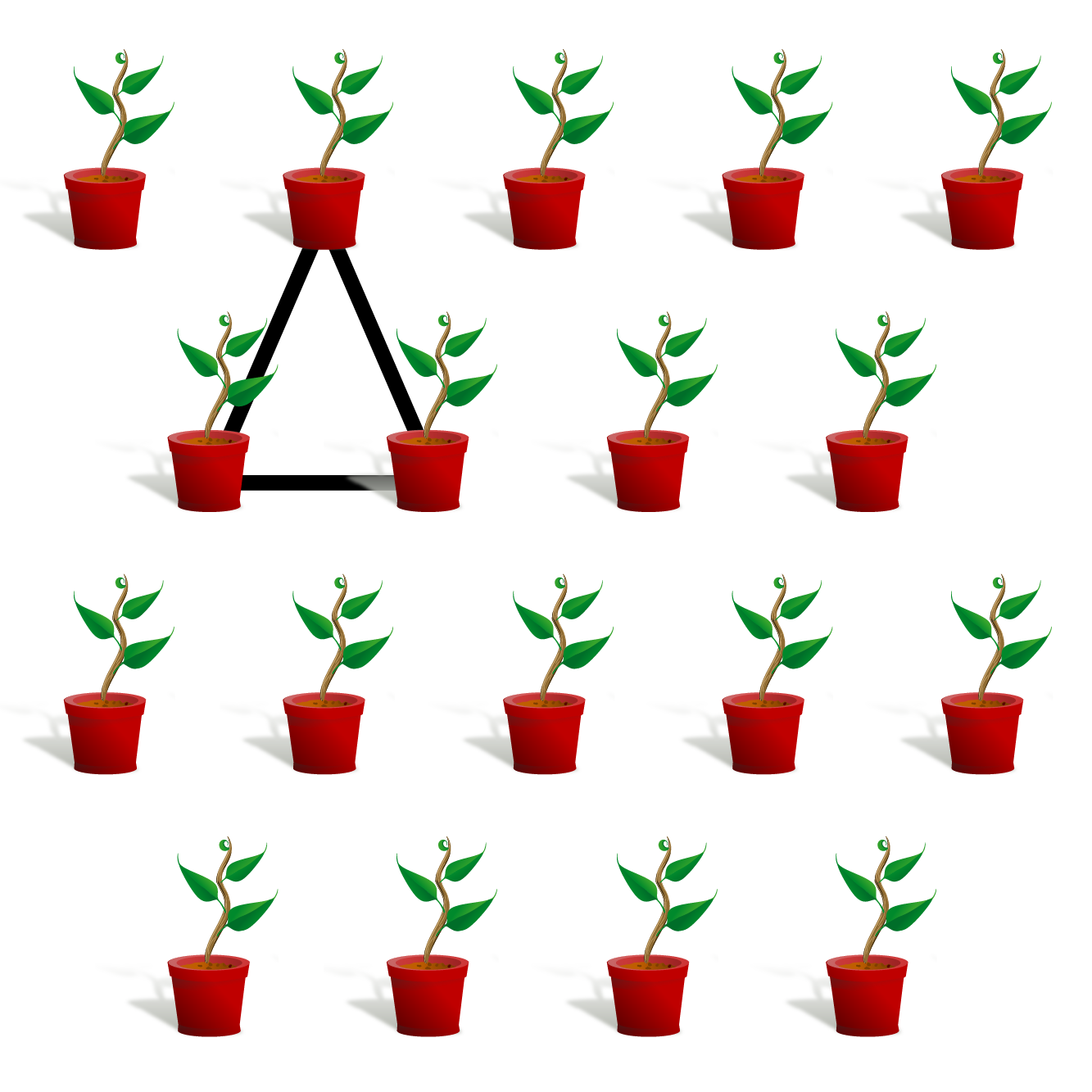
Spacing: Space trees 8–10 ft apart to allow room for mature spread, airflow, and maintenance access.
Maintenance: Mulch annually to conserve moisture and suppress weeds, and monitor for pests and disease.
Pollinator Required: No, this variety is self-fertile. It does not require another apricot for pollination, but yields may improve when planted near compatible varieties such as Tilton, Moorpark, or Blenheim.
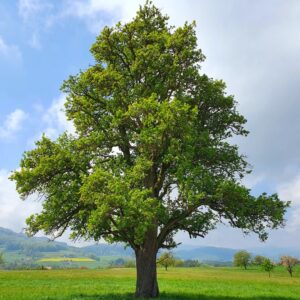
Dwarf Goldcot Apricot typically reaches 8–10 feet tall and wide at maturity, developing a naturally compact, spreading habit that simplifies pruning, thinning, and harvesting. It performs best in full sun and well-drained soil with good air circulation, which helps reduce disease pressure. Regular watering during establishment, annual fertilization, and routine pruning all contribute to healthy growth and consistent yields. While Goldcot is considered self-fertile, planting it near other compatible apricot varieties can further enhance fruit set and overall productivity.