

Dwarf Chojuro Asian Pear
Pyrus pyrifolia ‘Chojuro’Dwarf Chojuro Asian Pear is a compact form of the classic Japanese pear variety renowned for its rich, butterscotch-like flavor and exceptionally crisp texture. Unlike many lighter, more delicate Asian pears, Chojuro is prized for its depth of flavor, combining sweetness with subtle caramel notes that make it a standout for fresh eating. The dwarf growth habit allows gardeners to enjoy this highly regarded fruit even in smaller spaces, patios, and intensively planted home orchards.
In early spring, Dwarf Chojuro Asian Pear produces clusters of bright white blossoms, creating a clean, elegant floral display across the branches. These blooms attract honey bees and other pollinators, playing a key role in fruit development while adding ornamental value to the landscape. As the season progresses, the tree develops a dense canopy of glossy green foliage that provides visual structure and shade, maintaining a tidy, attractive appearance throughout the growing season.
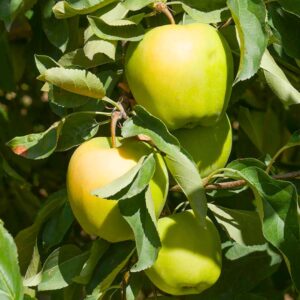
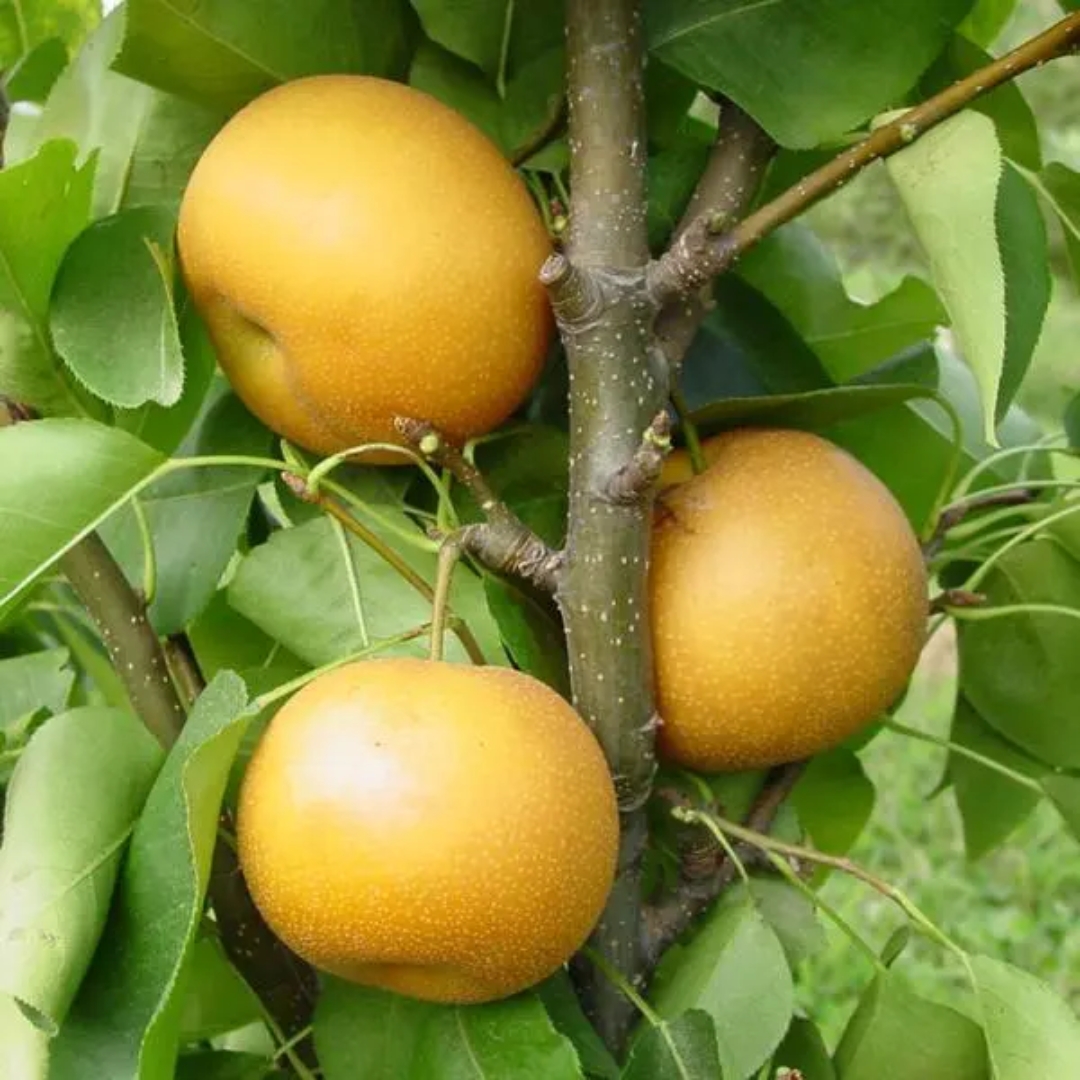
Fruit ripens in late summer to early fall and is medium to large with round, russeted bronze-brown skin that protects firm, crisp white flesh inside. The texture is crunchy and juicy, while the flavor is notably sweet with warm undertones, making it ideal for fresh eating, slicing, salads, and light cooking. Chojuro pears also store well compared to many Asian pear varieties, extending their usefulness well beyond harvest. Proper thinning helps improve fruit size and ensures consistent quality year after year.
Care Instructions:
Planting: Select a full sun location with at least 6–8 hours of direct sunlight daily to support strong flowering and fruit development.
Soil: Plant in well-drained, fertile soil. Amend heavier soils to improve drainage and root health.
Watering: Water regularly during establishment and provide consistent moisture during dry periods and fruit development.
Fertilizing: Apply a balanced fertilizer in early spring before new growth begins. Avoid over-fertilization.
Pruning: Prune in late winter or early spring to remove dead or crossing branches and maintain an open canopy.
Thinning: Thin fruit after set to improve size, prevent limb breakage, and encourage even ripening.
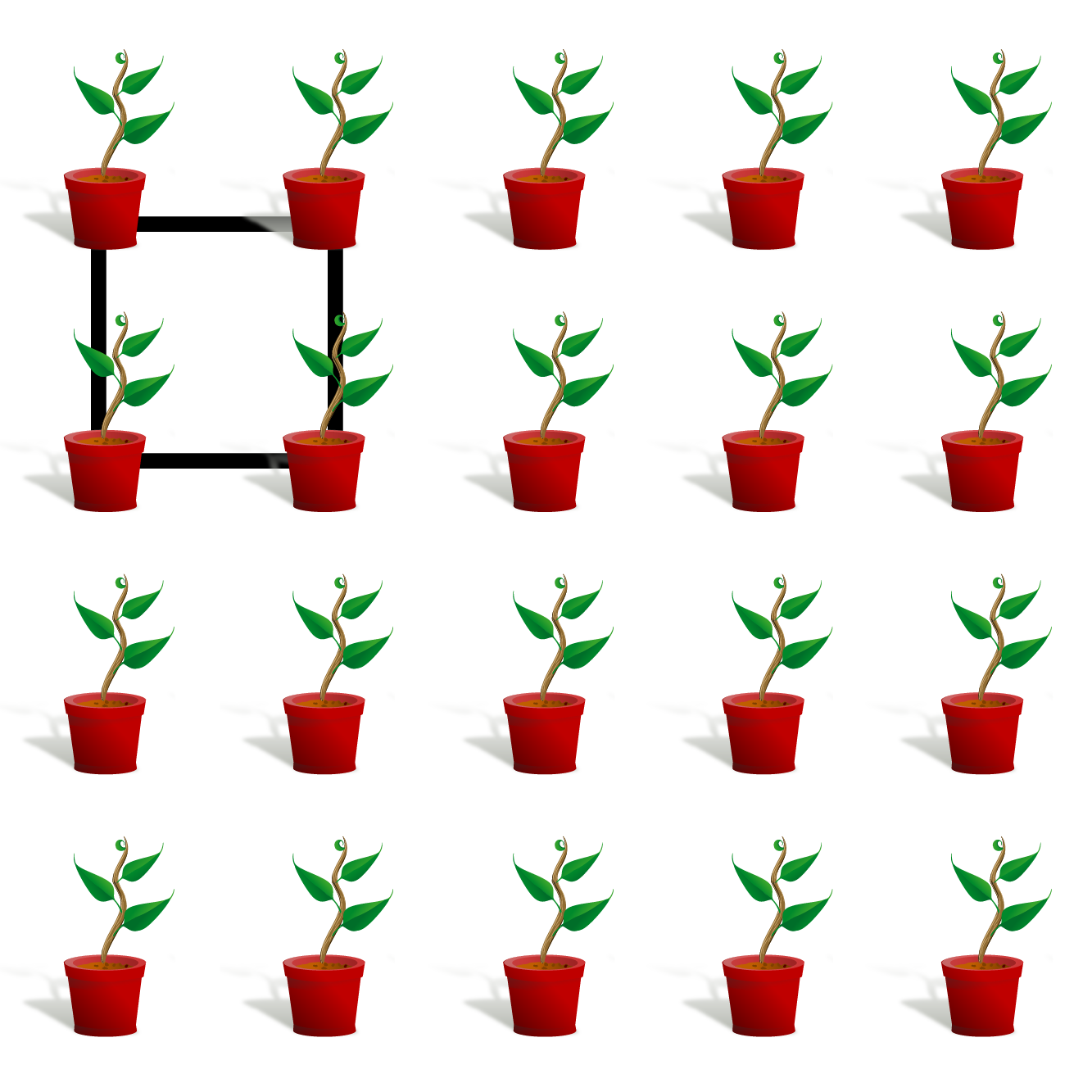
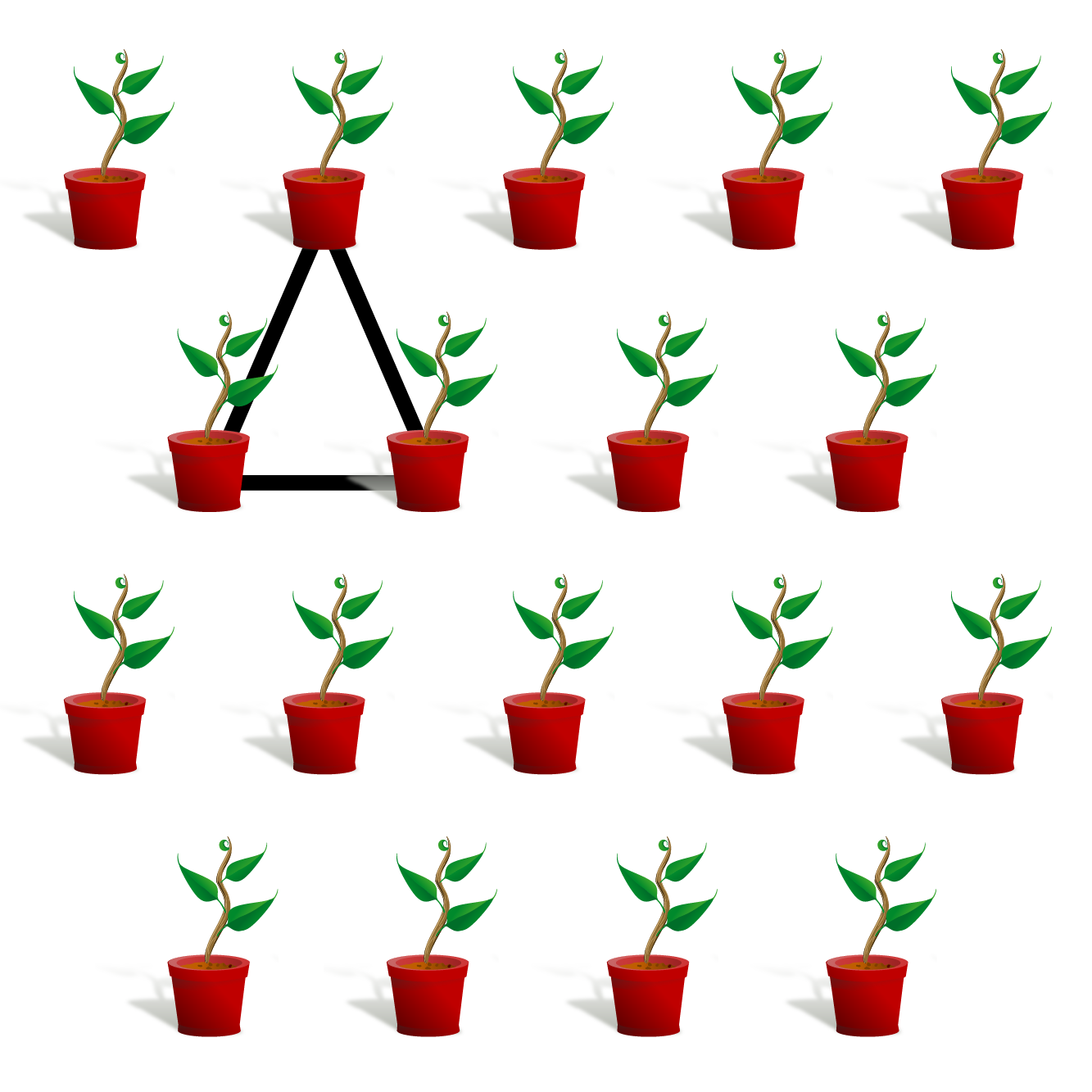
Spacing: Space trees 12–15 ft apart to allow for mature spread and airflow.
Maintenance: Mulch annually, monitor for pests and disease, and prune as needed to maintain structure and productivity.
Pollinator Required: Yes, this variety requires cross-pollination. Compatible Asian pear varieties include Shinseiki, 20th Century, Hosui, or Nijisseiki.
Dwarf Chojuro Asian Pear typically reaches 10–12 feet tall and wide, forming a compact, rounded tree that is easy to maintain and harvest. It thrives in full sun and well-drained soil, where good airflow and consistent moisture support healthy growth and reduce disease pressure. This variety is not self-fertile and requires cross-pollination with other Asian pear cultivars to produce fruit. When paired with compatible pollinators and maintained with routine pruning, Dwarf Chojuro delivers dependable yields and long-term garden performance.