

Duke Blueberry
Vaccinium corymbosum ‘Duke’Duke Blueberry is a classic, widely respected northern highbush blueberry cultivar that offers dependable early-season fruit production, ornamental value, and garden adaptability for edible landscapes and berry patches. Originally developed by the USDA in Beltsville, Maryland, and released in 1987, Duke has become a staple choice for home gardeners and commercial growers alike due to its reliable performance, productive yields, and exceptional berry quality.
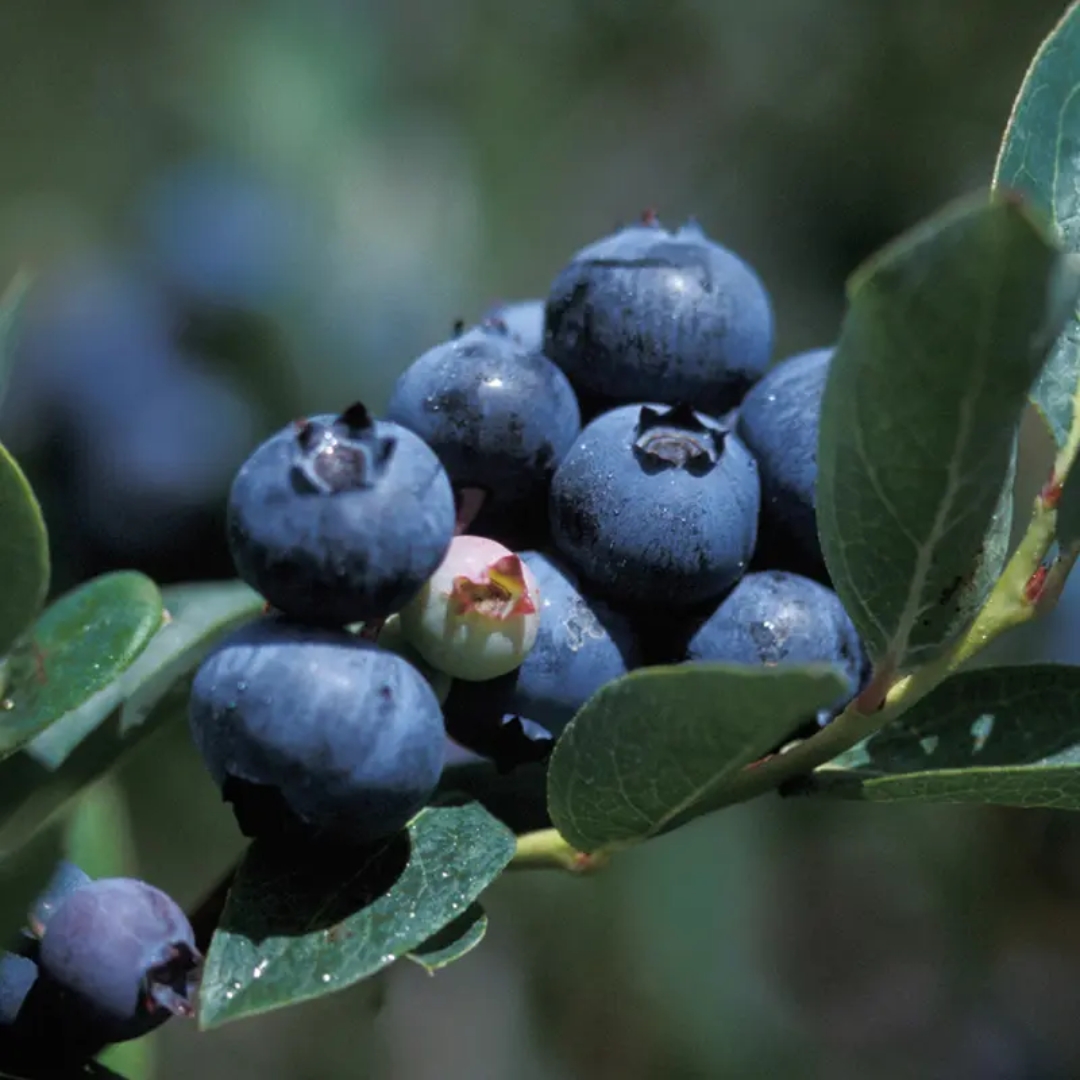
This vigorous shrub produces medium to large, firm, blue berries with a well-balanced sweet-tart flavor that is excellent for fresh eating, baking, freezing, and making jams and preserves. The fruit typically ripens in early to mid-summer, offering one of the season’s first harvests among highbush varieties. Duke’s late-blooming schedule helps protect blossoms from late spring frost in many climates. This is a key advantage for growers in cooler regions.
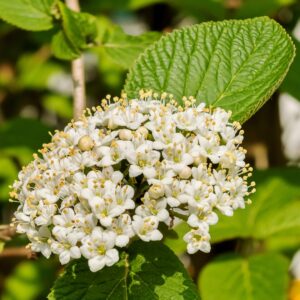
In spring, Duke displays attractive white, pink-tinged bell-shaped flowers that attract bees and other pollinators, supporting both ecological value and fruit set. Its dark green foliage transitions to vibrant yellow, orange, or reddish hues in fall, adding ornamental appeal even after fruiting is complete. Mature bushes reach approximately 4–6 feet tall and wide, forming a rounded, upright habit that fits well into edible gardens, mixed shrub borders, hedges, or mass plantings.
Care Instructions:
Planting: Choose a site with full sun exposure (6+ hours direct sun daily) for best fruit production, foliage color, and overall vigor.
Soil: Plant in acidic, well-drained, fertile soil with a pH around 4.5–5.5. Blueberries require acidic conditions to thrive.
Watering: Water deeply and regularly during establishment and fruit development. Maintain even moisture without waterlogging.
Fertilizing: Apply an acid-forming, slow-release fertilizer formulated for blueberries or other acid-loving plants in early spring before new growth begins.
Mulching: Spread a 2–3″ layer of organic mulch (pine bark, pine needles, etc.) around the base to conserve moisture, moderate soil temperature, and suppress weeds. Keep mulch a few inches from stems.
Pruning: Prune annually in late winter or early spring while dormant to remove dead wood, shape the shrub, and promote vigorous new canes that will bear fruit.
Spacing: Space plants 4–6 ft apart to allow room for mature growth and airflow.
Maintenance: Monitor soil pH and moisture levels, and prune as needed to maintain plant health and productivity.
Pollinator Required: No. This plant is self-fertile, but planting additional blueberry varieties with overlapping bloom times, such as Bluecrop or Patriot, can improve yields.
Highly adaptable and cold-hardy, Duke thrives across a broad range of climates making it suitable for many growing regions, particularly in the northern and Mid-Atlantic United States where chill hours are sufficient. While it is self-pollinating, having additional blueberry cultivars nearby can enhance fruit set and overall yields. Duke’s combination of early ripening, attractive form, and delicious berries makes it a favorite for both novice and experienced gardeners looking to enjoy homegrown blueberries year after year.