

Concord Seedless Grape
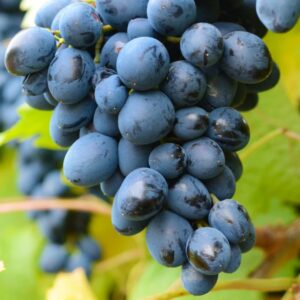
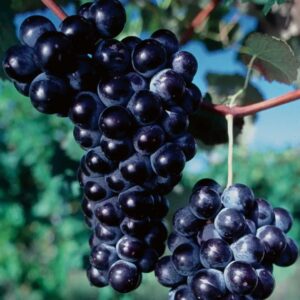
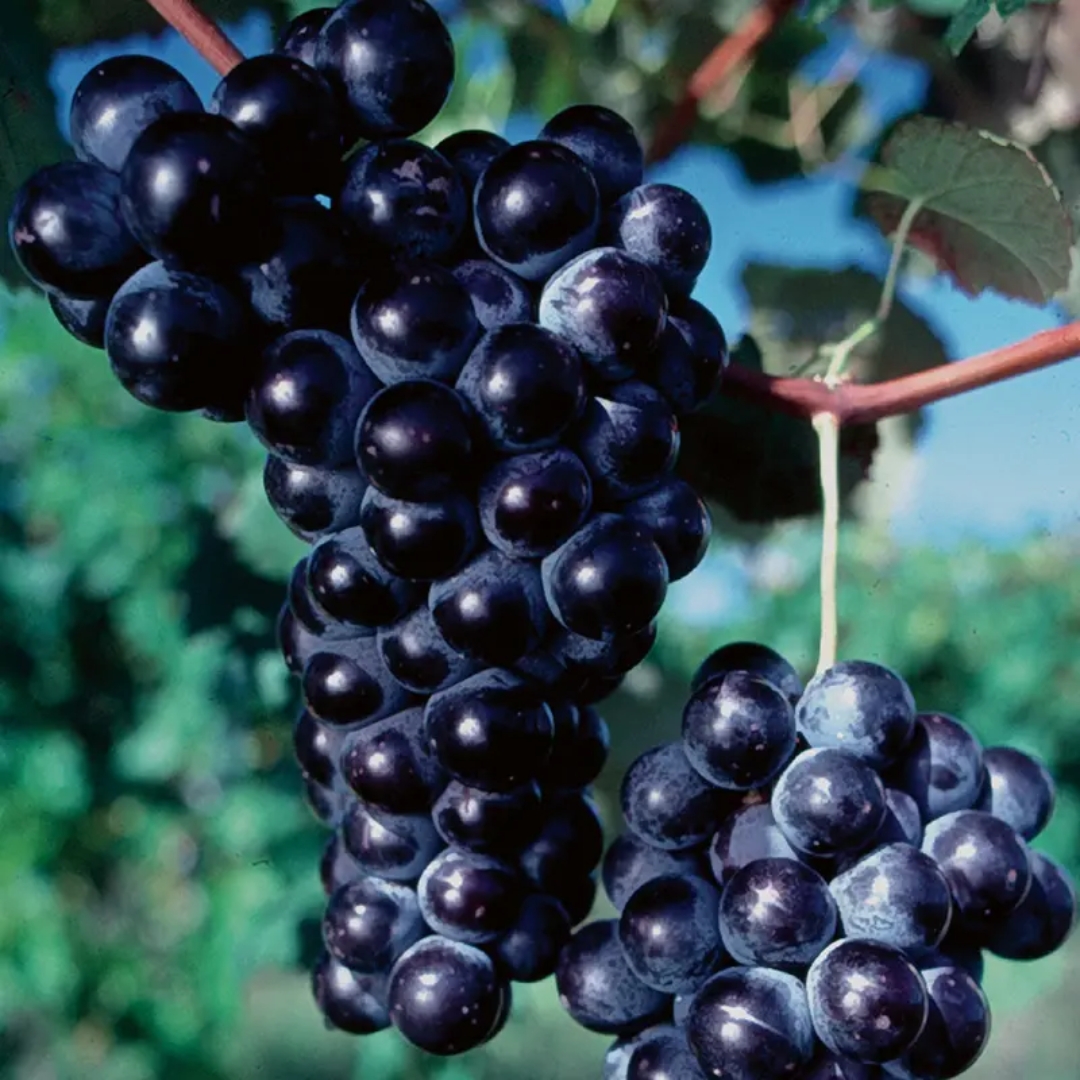
Vitis labrusca ‘Concord Seedless’Concord Seedless Grape is an improved version of the classic American Concord grape vine. It brings all the rich, sweet-tart flavor of traditional Concord fruit but without seeds right into your edible landscape or backyard vineyard. This vigorous, deciduous vine produces medium-sized, deep purple-blue, slip-skin grapes that are exceptionally flavorful for fresh eating, juice, jelly, and preserves.
Developed from the beloved Concord heritage, the seedless version retains the iconic musky grape taste while ripening about 1 week earlier than standard Concord, with slightly smaller clusters and berries. The vine develops lush, large green foliage that not only supports bountiful fruit but also provides attractive texture in the landscape and dramatic seasonal color changes in autumn.
In spring, tiny greenish-white flowers appear along the cane. Although these flowers are not showy, they are essential for fruit set. By mid- to late summer (often late August through September), clusters of sweet, seedless grapes appear, ready for harvest. These grapes are especially enjoyable fresh off the vine, and they also make excellent juice or jelly, with that classic Concord character.
Concord Seedless is cold-hardy and adaptable to a range of climates, typically thriving in USDA Hardiness Zones 5–9. It performs best when trained on sturdy supports such as trellises, arbors, fences, or pergolas where its climbing habit and vigorous growth can be fully expressed. With proper care, it becomes a focal point in edible gardens, providing seasonal foliage, ornamental interest, and delicious fruit year after year.
Care Instructions:
Planting: Choose a site with full sun exposure (at least 6–8 hours of direct sunlight daily) for best fruit production, flavor development, and foliage health.
Soil: Plant in well-drained, fertile soil. Grapes tolerate a range of soil types but will not thrive in waterlogged conditions. Amend heavy clay with organic matter if necessary.
Watering: Water deeply and regularly during establishment and dry spells. Keep soil evenly moist during flowering and fruit set.
Fertilizing: Apply a balanced, slow-release fertilizer in early spring to support vigorous growth, and consider light feeding again in summer if needed.
Mulching: Apply 2–3″ of organic mulch around the base to conserve moisture, suppress weeds, and moderate soil temps. Keep mulch several inches away from the crown.
Training & Support: Install a trellis, arbor, pergola, fence, or support structure before planting and train the vine along it as the plant grows. Proper support maximizes sun exposure and airflow.
Pruning: Prune annually in late winter or early spring while dormant. Remove old or weak wood, shape the vine, and retain strong canes for fruit production.
Spacing: Space vines 10–12 ft apart where multiple plants are used so each has room to spread and receive adequate light.
Maintenance: Monitor for vine vigor, water needs, and seasonal pests or fungal issues. Mulch and prune annually.
Pollinator Required: No. This plant is self-fertile and will set fruit independently without another grapevine, though bees and other pollinators visiting the vine and surrounding flowering plants can help improve fruit set and overall garden biodiversity.
Whether you’re planting a backyard vineyard, an edible privacy screen, or an arbor with fruiting vines overhead, Concord Seedless Grape delivers reliable performance, distinctive flavor, and a harvest enjoyed by all ages.