

Chippewa Blueberry
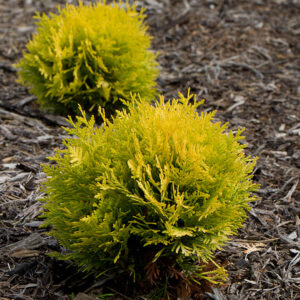
Vaccinium corymbosum × Vaccinium angustifolium ‘Chippewa’Chippewa Blueberry is a compact, cold-hardy half-high blueberry shrub renowned for its delightful combination of ornamental appeal and delicious mid-summer fruit production. Bred at the University of Minnesota, Chippewa is a hybrid between highbush and lowbush blueberry species, resulting in a plant that’s exceptionally winter-tolerant and perfect for northern gardens, blueberry patches, small landscapes, or containers.
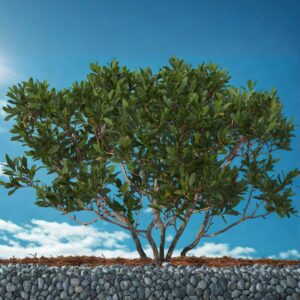
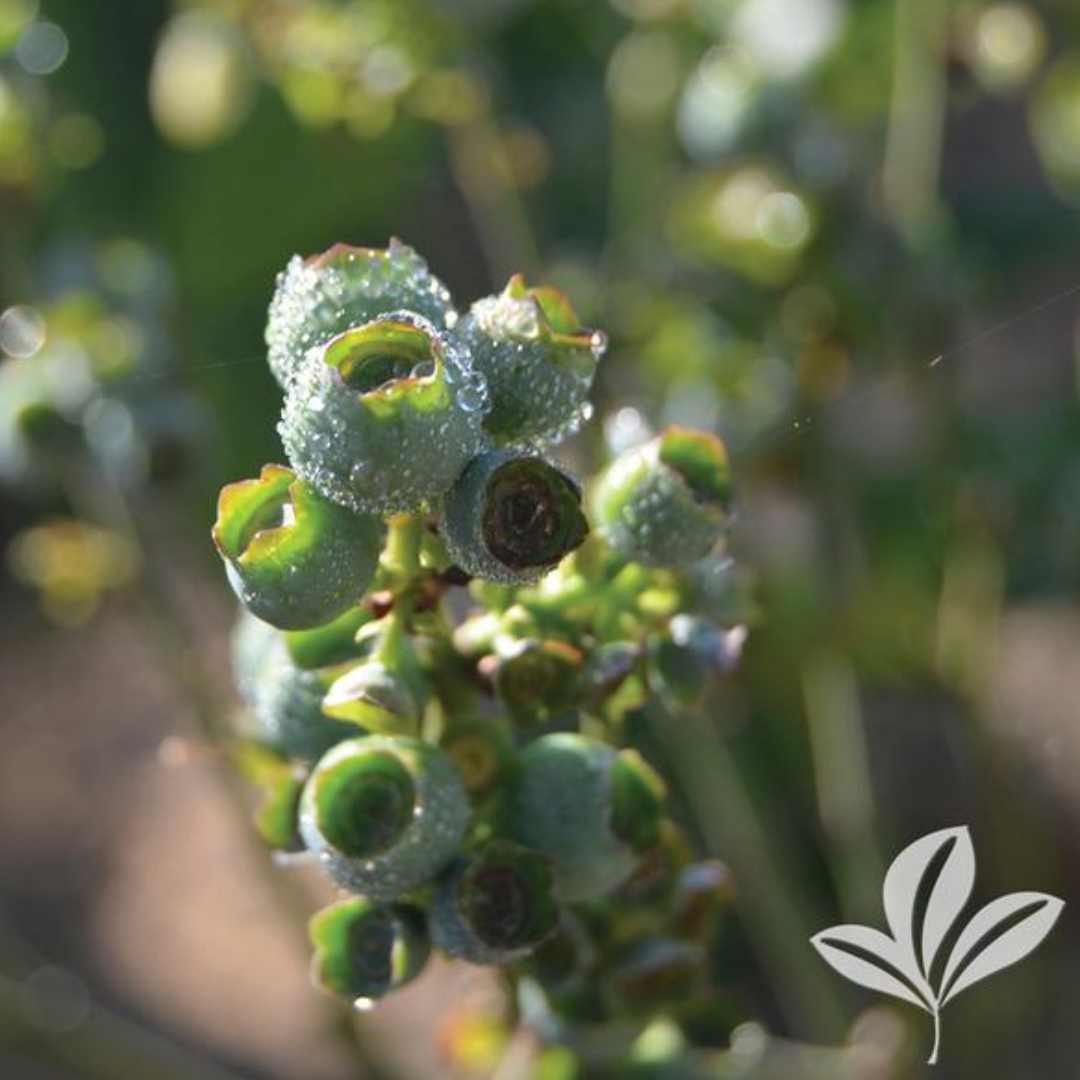
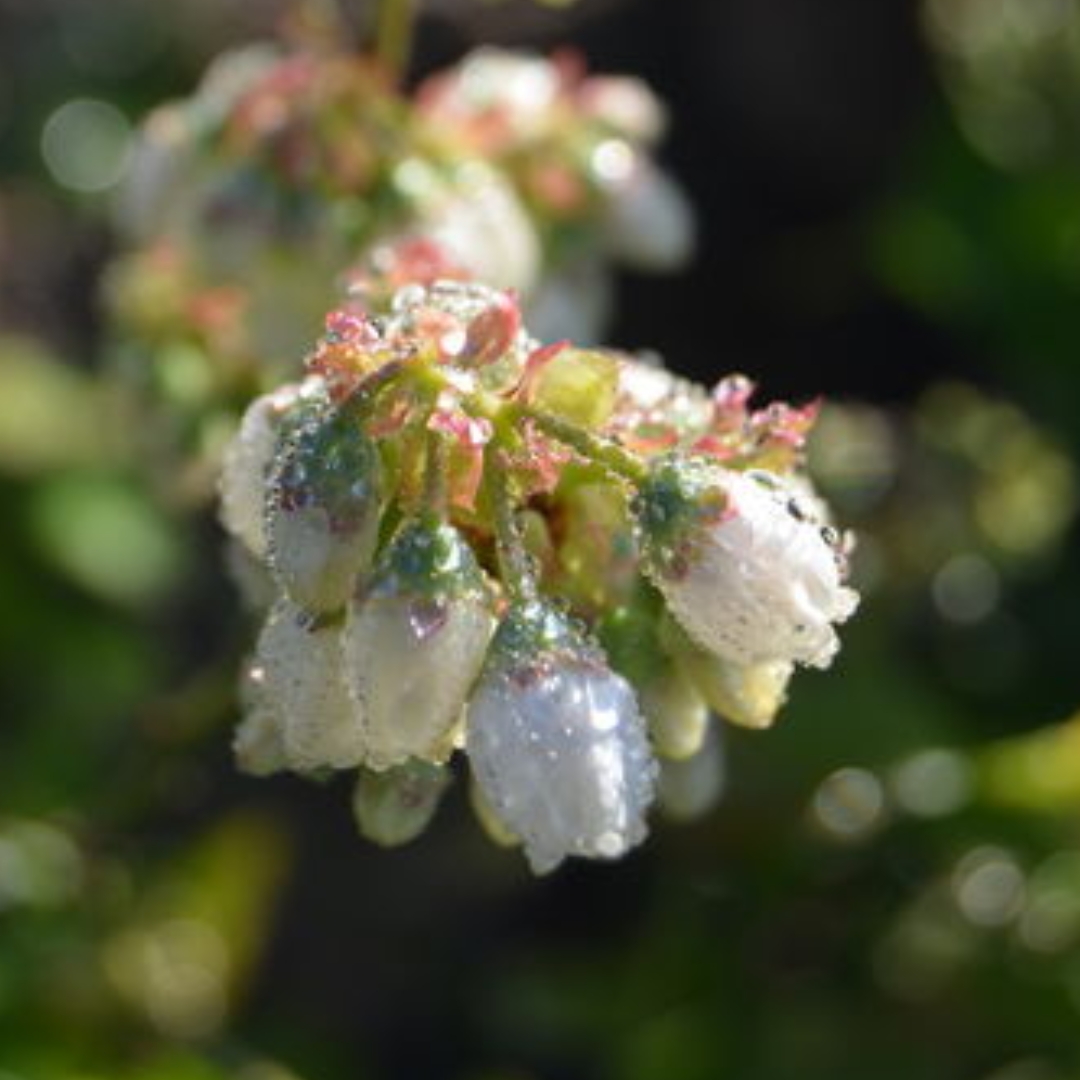
This variety typically grows to about 3–4 feet tall and wide, forming an upright, manageable shrub that fits seamlessly into edible gardens, beds, borders, or patio containers. In spring, Chippewa produces clusters of bell-shaped white flowers that attract bees and other pollinators, laying the foundation for a bountiful mid-season harvest of medium-sized, sweet, light blue berries. These flavorful berries are excellent for fresh eating, baking, jams, preserves, or freezing. Their sweet, lightly tart profile makes them a joy in the kitchen.
In addition to its edible qualities, Chippewa adds ornamental interest throughout the seasons. The foliage remains attractive green through summer and transitions to bright red or orange fall color, adding visual contrast to mixed borders or edible landscapes. Its compact habit makes it a popular choice for smaller yards and container plantings where space is limited but flavor and productivity are desired.
Care Instructions:
Planting: Choose a location with full sun (6+ hours of direct sunlight). Partial sun is tolerated and can still yield good fruit.
Soil: Plant in acidic, well-drained soil with a pH between 4.5–5.5. Blueberries need acidic conditions to thrive.
Watering: Water deeply and regularly during establishment and dry periods. Keep soil evenly moist but not waterlogged.
Fertilizing: Apply an acid-forming, slow-release fertilizer formulated for blueberries or other acid-loving plants in early spring before new growth begins.
Mulching: Spread a 2–3″ layer of organic mulch (pine needles or bark) to conserve moisture, suppress weeds, and help maintain soil acidity. Keep mulch a few inches away from stems.
Pruning: Prune in late winter or early spring while dormant to remove dead or weak wood and encourage vigorous new fruiting canes.
Spacing: Space plants 3–4 ft apart to allow room for mature growth and airflow.
Maintenance: Monitor soil pH and moisture, mulch annually, and prune to maintain shape and vigor.
Pollinator: Yes. While this plant is partially self-fertile, planting another blueberry variety with similar bloom time (e.g., Northblue or Northcountry) can enhance fruit set and yield.
Chippewa’s half-high heritage, combining the cold tolerance of Vaccinium angustifolium (lowbush blueberry) with the fruit size and flavor of Vaccinium corymbosum (highbush blueberry), ensures reliable performance in colder climates where many southern highbush types struggle. Whether planted solo or with complementary blueberry cultivars, Chippewa Blueberry provides multi-season value and is an excellent choice for gardeners seeking hardy, flavorful blueberries with landscape appeal.