
Cherokee Brave Dogwood
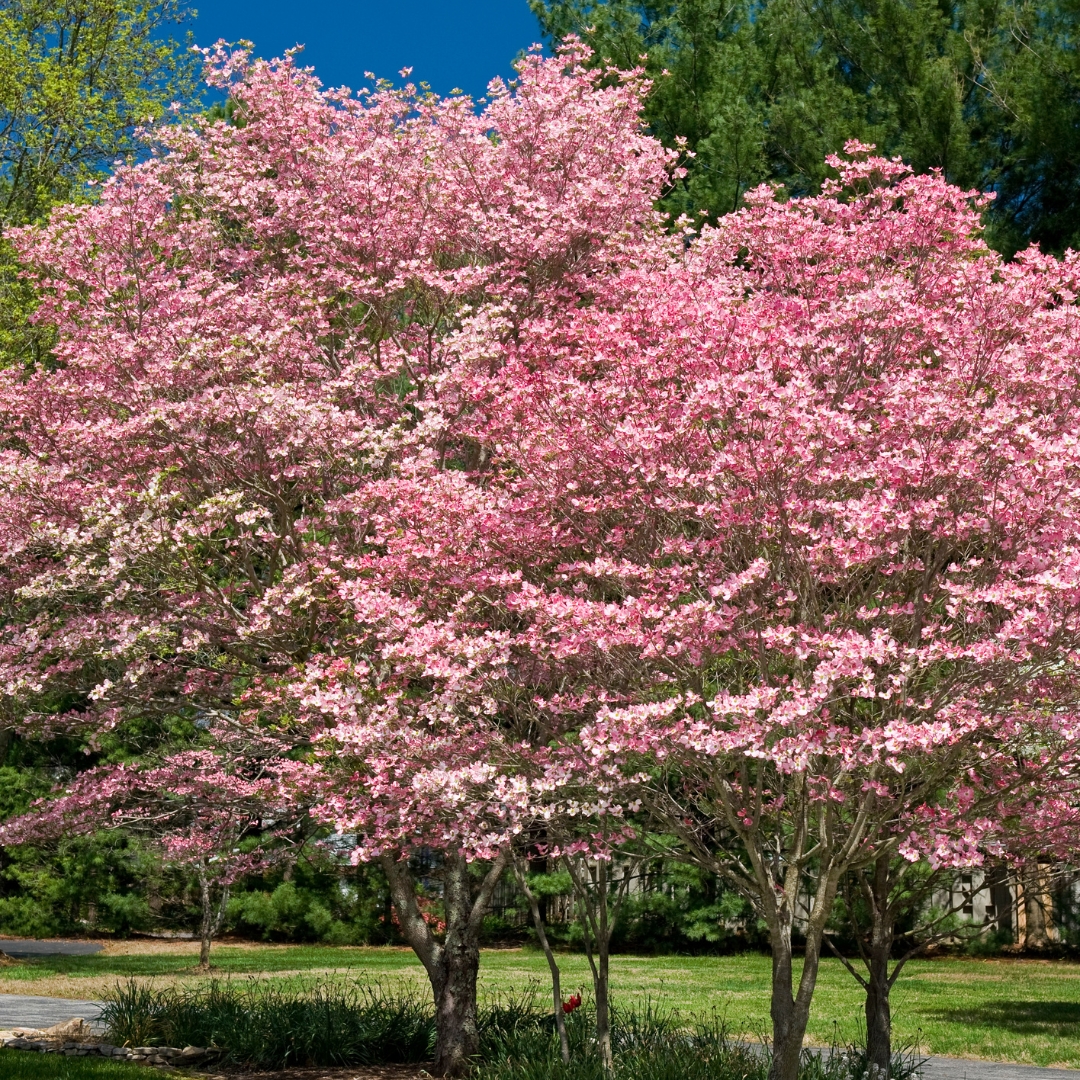
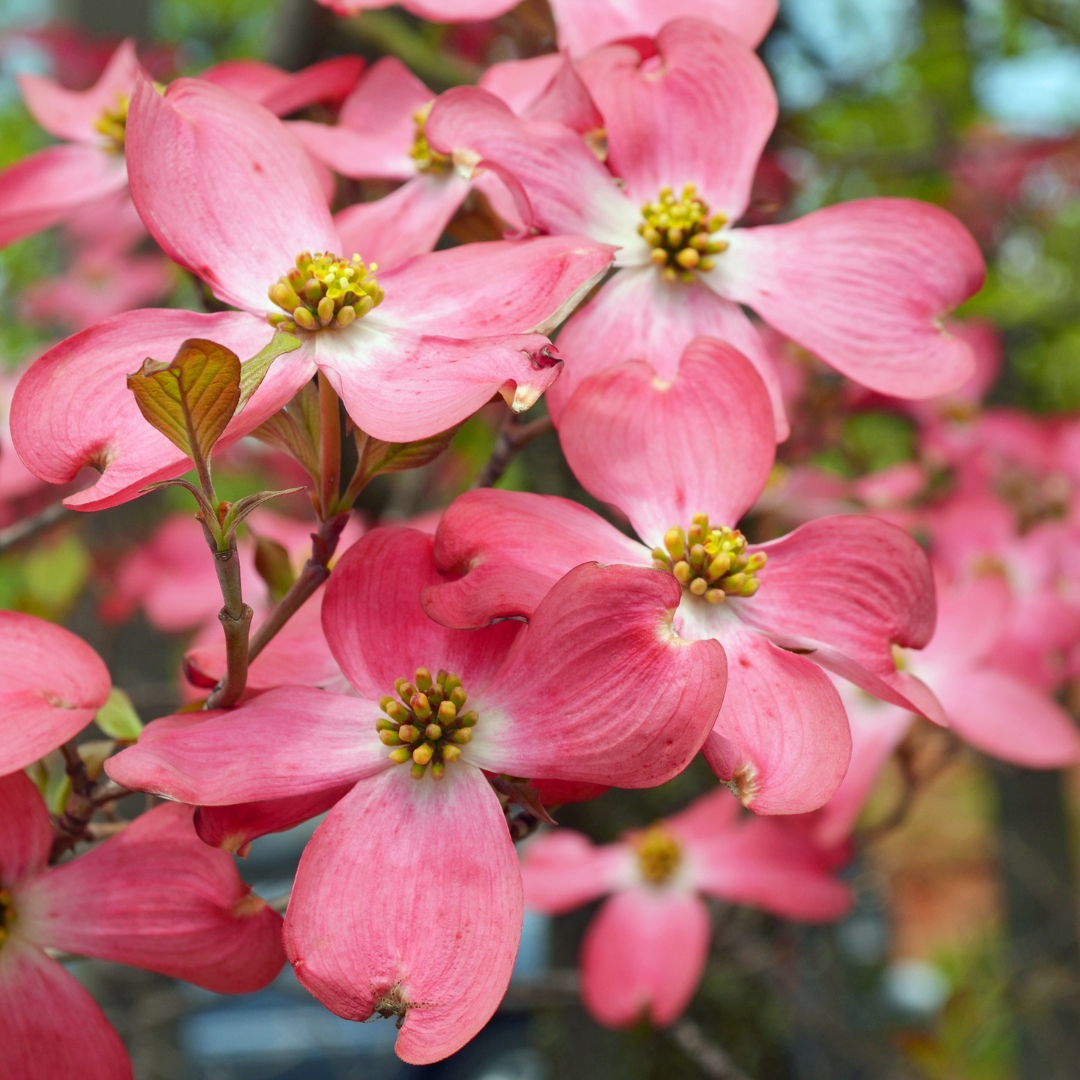
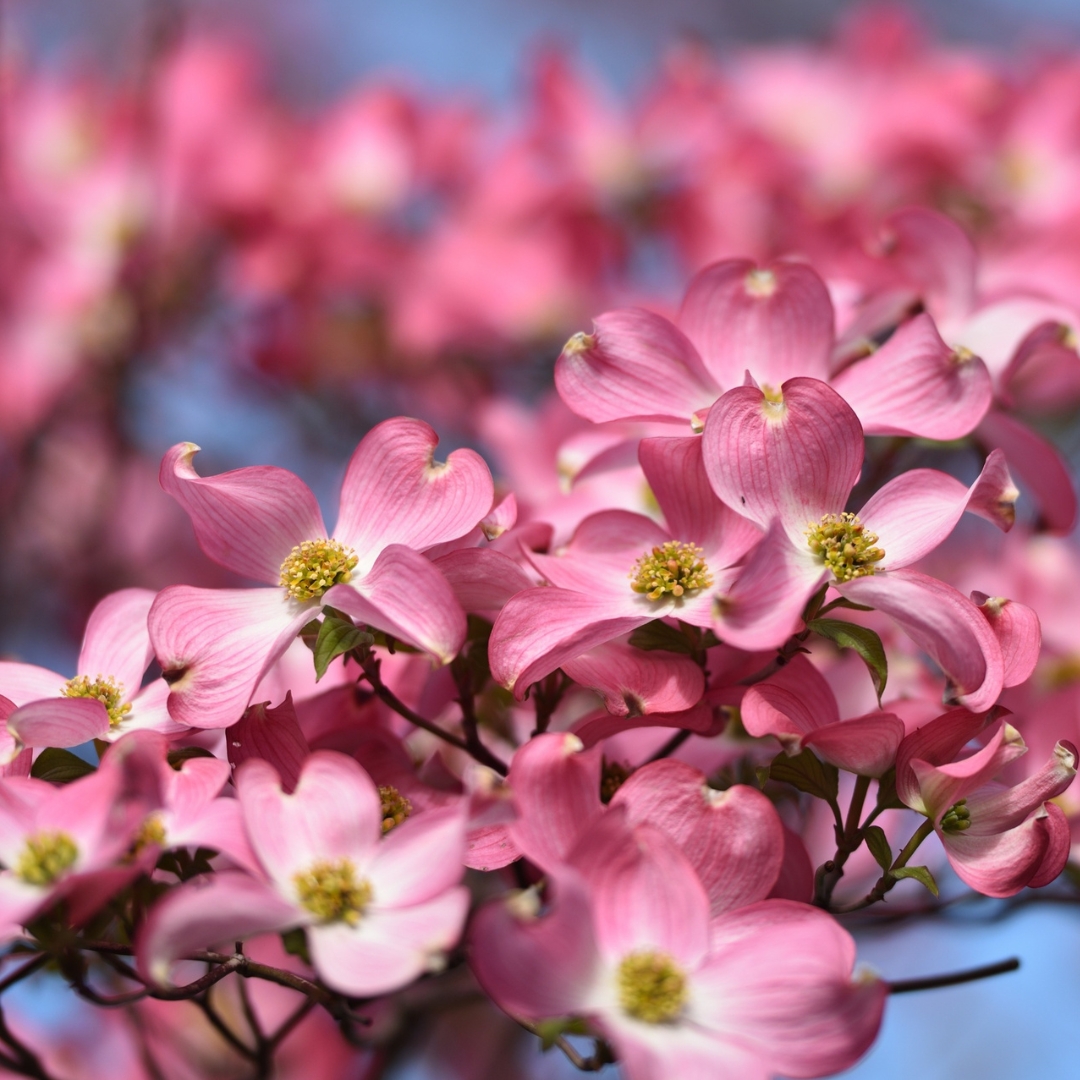
Cornus florida ‘Cherokee Brave’Cherokee Brave Dogwood is a striking flowering tree admired for its vibrant spring color, compact size, and classic multi-season beauty. A cultivated selection of the native Eastern Flowering Dogwood, this variety is especially valued for its bold, rich pink to reddish bracts accented by bright white centers. It creates a dramatic contrast that makes it stand out among traditional dogwood varieties.
In early to mid-spring, before the tree is fully leafed out, large, showy flowers blanket the horizontal branches, creating a breathtaking floral display. The true flowers are small and clustered at the center, surrounded by colorful bracts that provide the ornamental impact. These blooms not only bring vivid color to the landscape but also support early pollinators such as honey bees and beneficial insects.
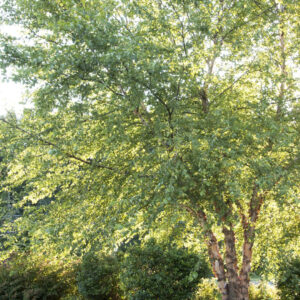
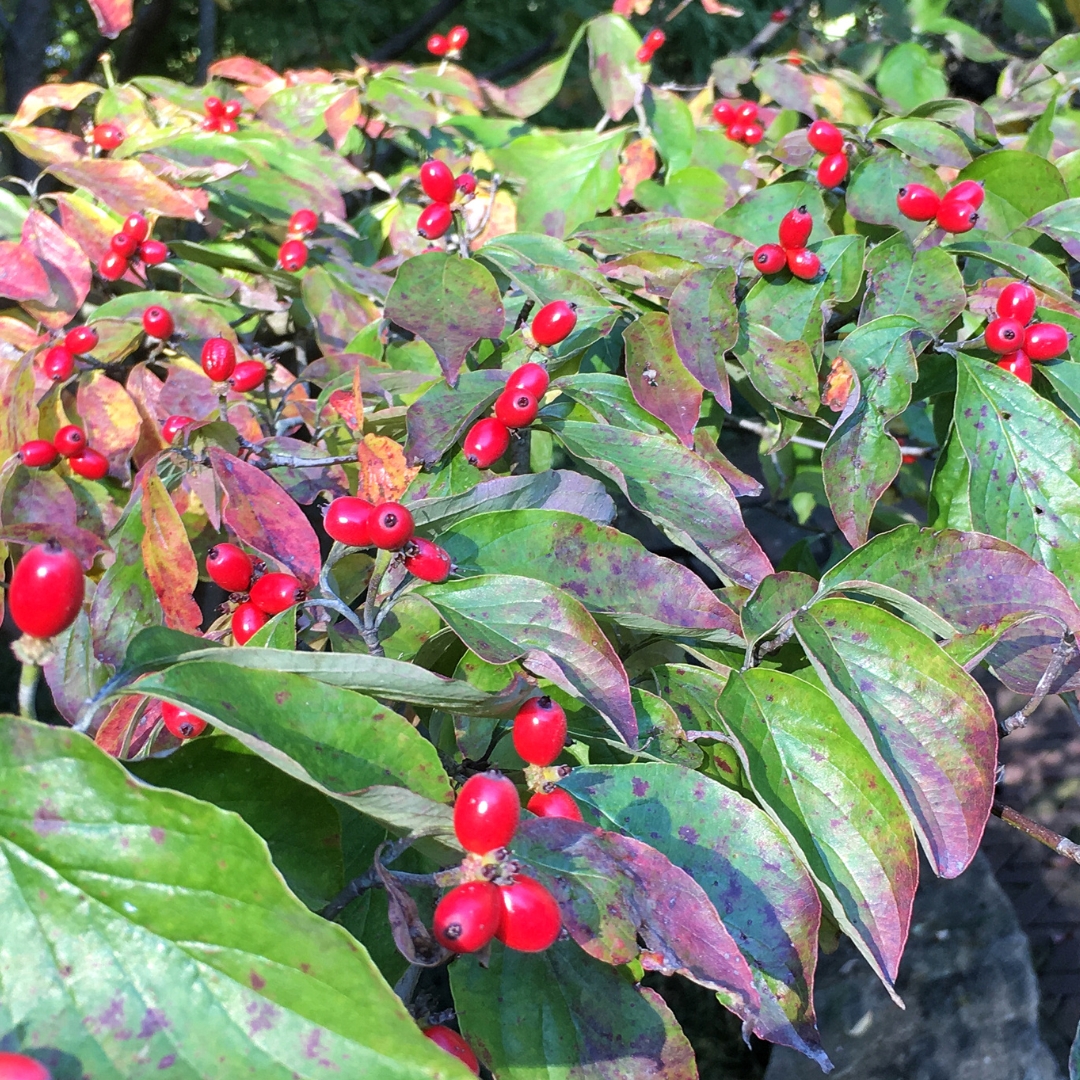
As spring transitions into summer, medium green foliage fills in, forming a layered canopy that provides light shade and elegant structure. The tree’s naturally horizontal branching habit gives it a graceful silhouette that works beautifully in woodland gardens, foundation plantings, or as a lawn specimen. In fall, the leaves turn rich shades of burgundy to red, adding another season of interest. Bright red ornamental berries often follow the blooms, providing visual appeal and attracting birds.
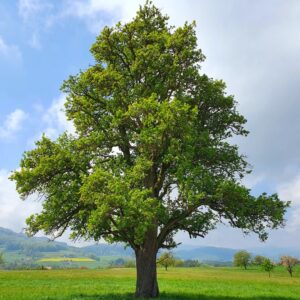
Cherokee Brave Dogwood typically matures to 15–25 feet tall with a similar spread, making it an ideal small ornamental tree for residential landscapes. It thrives in partial shade to full sun, though afternoon shade is beneficial in hotter climates. Adapted to USDA Hardiness Zones 5–9, it performs best in well-drained, slightly acidic soil with consistent moisture.
Care Instructions:
Planting: Choose a location with full sun or partial shade exposure. Morning sun with afternoon shade is ideal in warmer areas.
Soil: Prefers well-drained, slightly acidic soil rich in organic matter. Avoid heavy, poorly drained sites.
Watering: Water deeply and regularly during establishment. Maintain consistent moisture, especially during dry periods.
Fertilizing: Apply a balanced, slow-release fertilizer in early spring before new growth begins.
Mulching: Apply a 2–3″ layer of organic mulch around the base to conserve moisture and protect shallow roots. Keep mulch several inches from the trunk.
Pruning: Prune lightly after flowering to remove dead or damaged branches and maintain structure.
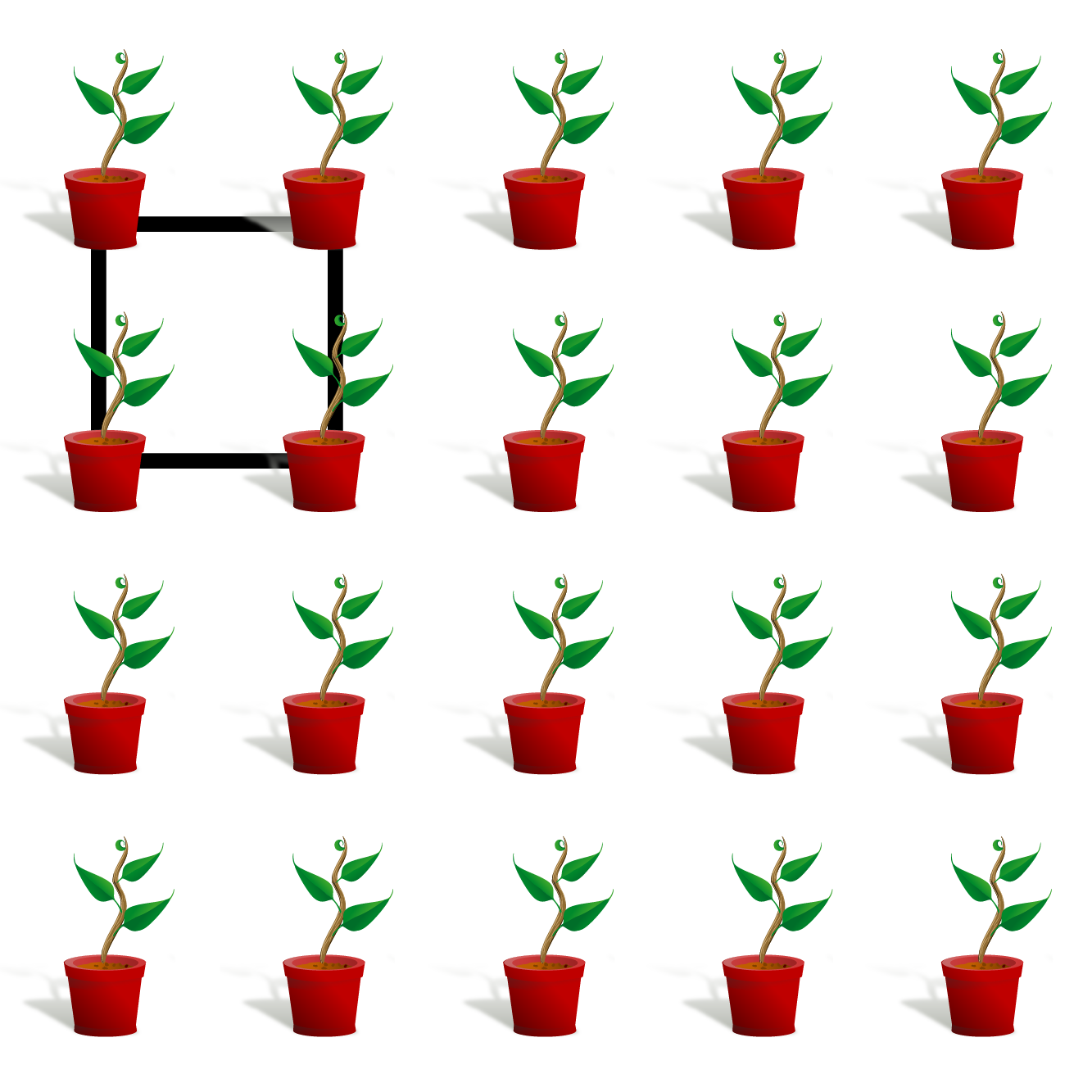
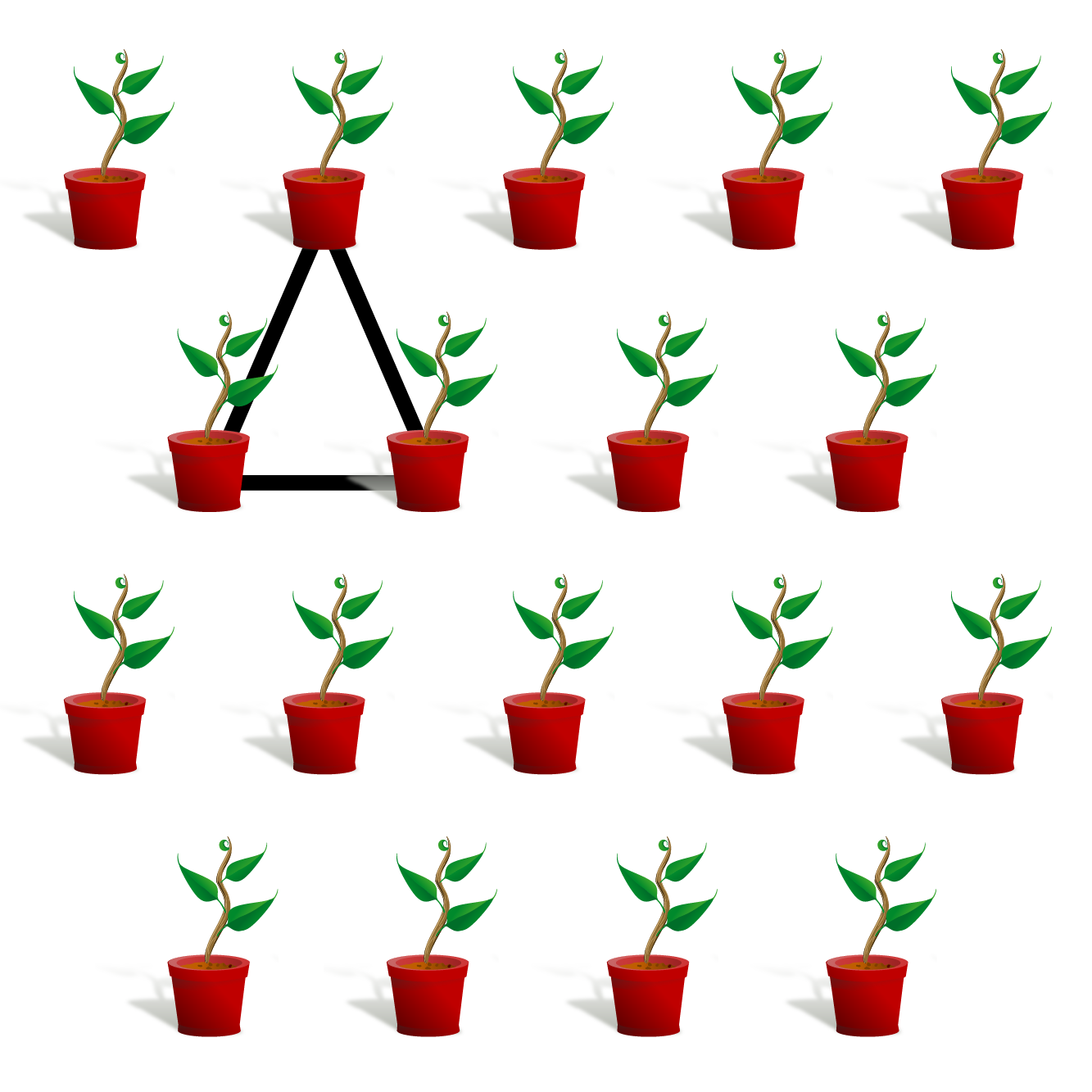
Spacing: Space trees 15–25 ft apart to allow for mature canopy spread and airflow.
Maintenance: Provide proper airflow and soil drainage.
As a cultivar of the native Cornus florida, Cherokee Brave contributes ecological value while offering enhanced floral color. With its vibrant blooms, layered branching, fall foliage, and wildlife appeal, this dogwood delivers reliable beauty and refined elegance year after year.
Size: Unless the product is labeled “B&B,” it comes in a container rather than ball-and-burlap. Sizes listed with ‘Cal.’ indicate the caliper of the trunk.