

Bristol Black Raspberry
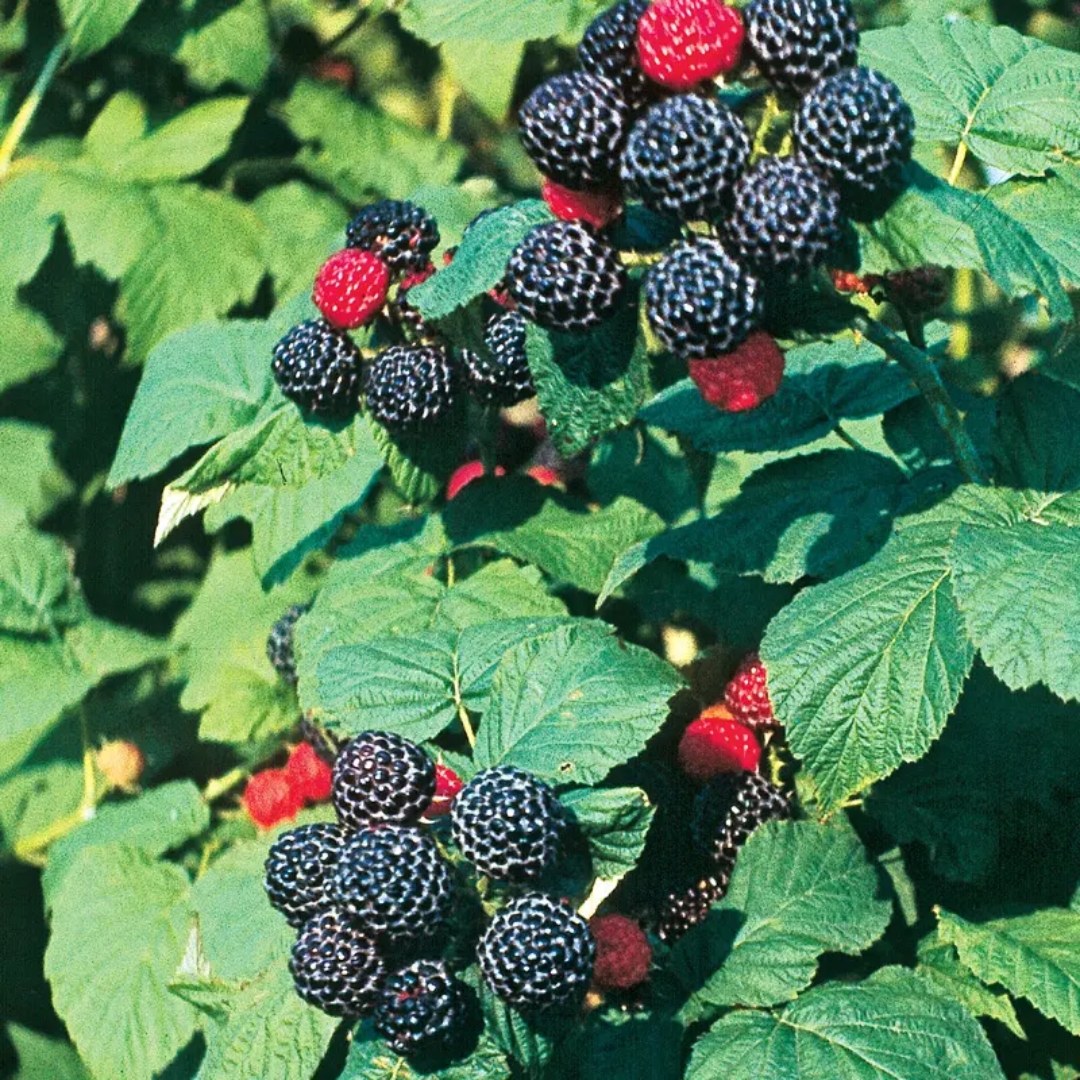
Rubus occidentalis ‘Bristol’Bristol Black Raspberry is a classic and highly productive edible shrub that blends ornamental charm with outstanding berry quality. A refined cultivar of the native black raspberry (Rubus occidentalis), Bristol is prized for its large, glossy black fruit that ripens in mid-summer and offers a rich, sweet-tart flavor. Its berries are ideal for fresh eating, baking, jams, jellies, and preserves, as well as freezing. These qualities make it a versatile and rewarding choice for home gardeners and berry enthusiasts alike.
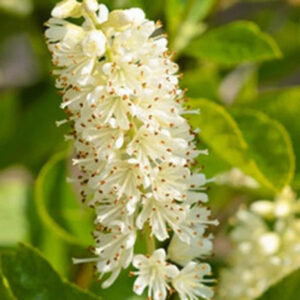
In late spring, Bristol produces clusters of small white blossoms that attract valuable pollinators such as honey bees, enhancing the garden’s ecological value and boosting fruit set. These blooms transition into stout canes that support abundant fruit later in the season. The berries themselves are typically firm yet juicy and are borne in generous clusters, allowing for a satisfying harvest that ripens from mid to late summer, depending on local climate and care.
The plant forms vigorous, upright canes that reach roughly 4–5 feet tall at maturity, with a spread of about 3–4 feet. This stature makes Bristol manageable in berry patches, raised beds, or mixed edible borders, and its native heritage means it’s well-adapted to a range of soils and climates, particularly USDA Hardiness Zones 4–8. As the season ends, the foliage often shows attractive fall color before the canes die back to the ground in winter (black raspberries are biennial bearers).
Care Instructions:
Planting: Choose a site with full sun exposure for best berry production and cane vigor. Partial sun may reduce yields.
Soil: Plant in fertile, well-drained soil rich in organic matter. Raspberries prefer slightly acidic to neutral soils and do not tolerate soggy conditions.
Watering: Water deeply and regularly during establishment. Maintain evenly moist soil during flowering and fruit development, especially in dry spells.
Fertilizing: Apply a balanced slow-release fertilizer in early spring before new growth begins; avoid excess nitrogen late in the season.
Mulching: Spread a 2–3″ layer of organic mulch (straw, bark) around the base to conserve moisture, suppress weeds, and moderate soil temperature. Keep mulch away from crowns.
Pruning: After harvest, remove canes that have fruited (biennial canes) down to ground level. Tie back or train new canes if support systems are used.
Spacing: Space plants 3–4 ft apart to allow airflow, room for new growth, and ease of harvest.
Maintenance: Annually remove old canes, mulch as needed, and monitor for common pests or fungal issues.
Pollinator Required: Yes. Raspberries benefit greatly from pollinator activity. Planting additional raspberry varieties (e.g., Jewel Black Raspberry) nearby can enhance cross-pollination and berry set.
Native to eastern North America including regions around Maryland, Bristol Black Raspberry offers both edible yield and ecological benefit, supporting pollinators with early blooms and wildlife with berries. Its strong fruiting, vigorous canes, and flavorful berries make it a standout choice within edible garden designs, berry patches, and mixed shrub plantings.