

Bluecrop Blueberry
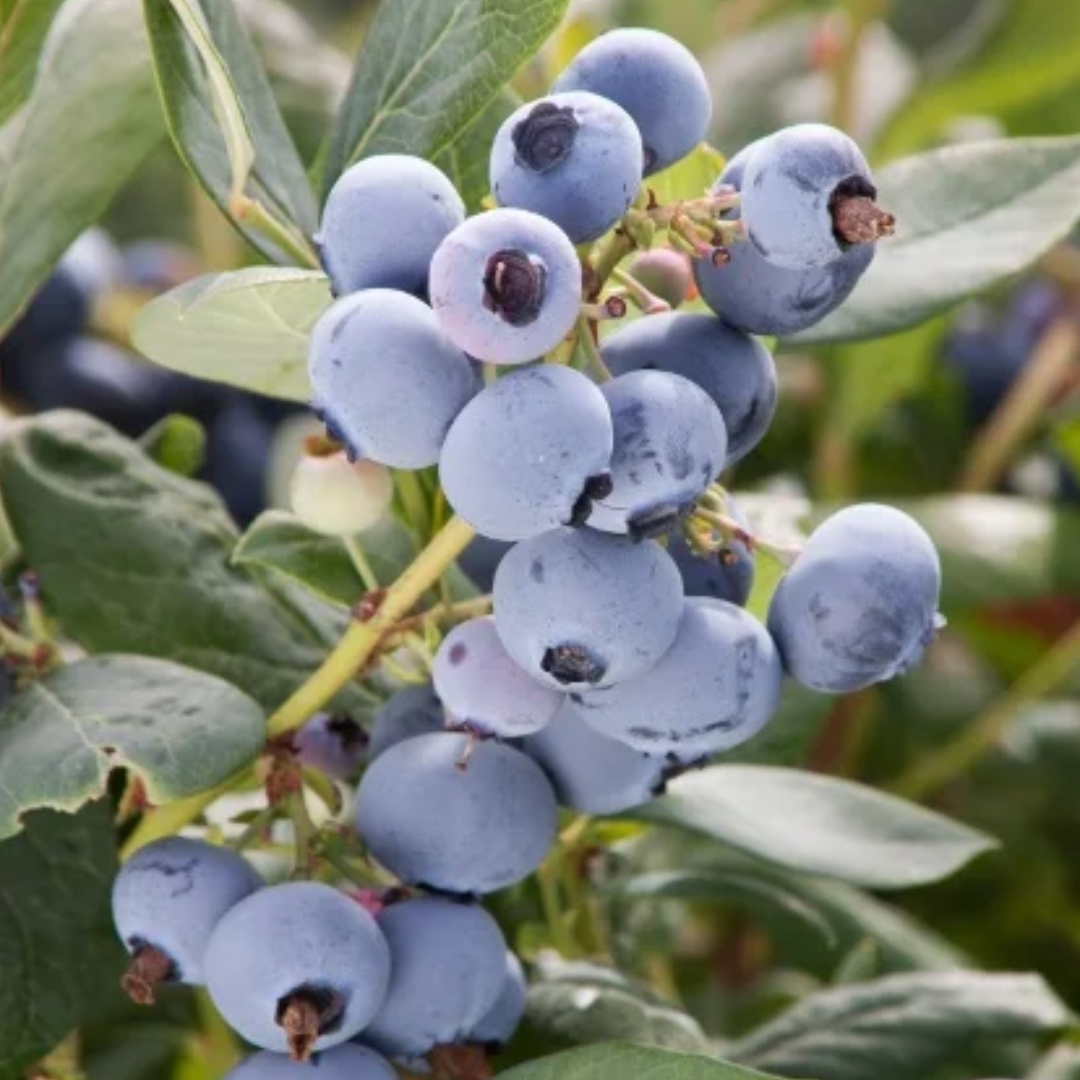
Vaccinium corymbosum ‘Bluecrop’Bluecrop Blueberry is one of the most trusted and widely grown highbush blueberry cultivars in North America. It is valued for its abundant, flavorful fruit, attractive seasonal foliage, and dependable performance in edible landscapes. As a northern highbush variety, Bluecrop produces medium to large, firm, light‑blue berries in mid‑summer that are delicious fresh, in desserts, or in jams, and can be frozen for winter use. It has become a staple in home gardens and small farms because of its reliable yields, adaptability to a range of climates, and general ease of care.
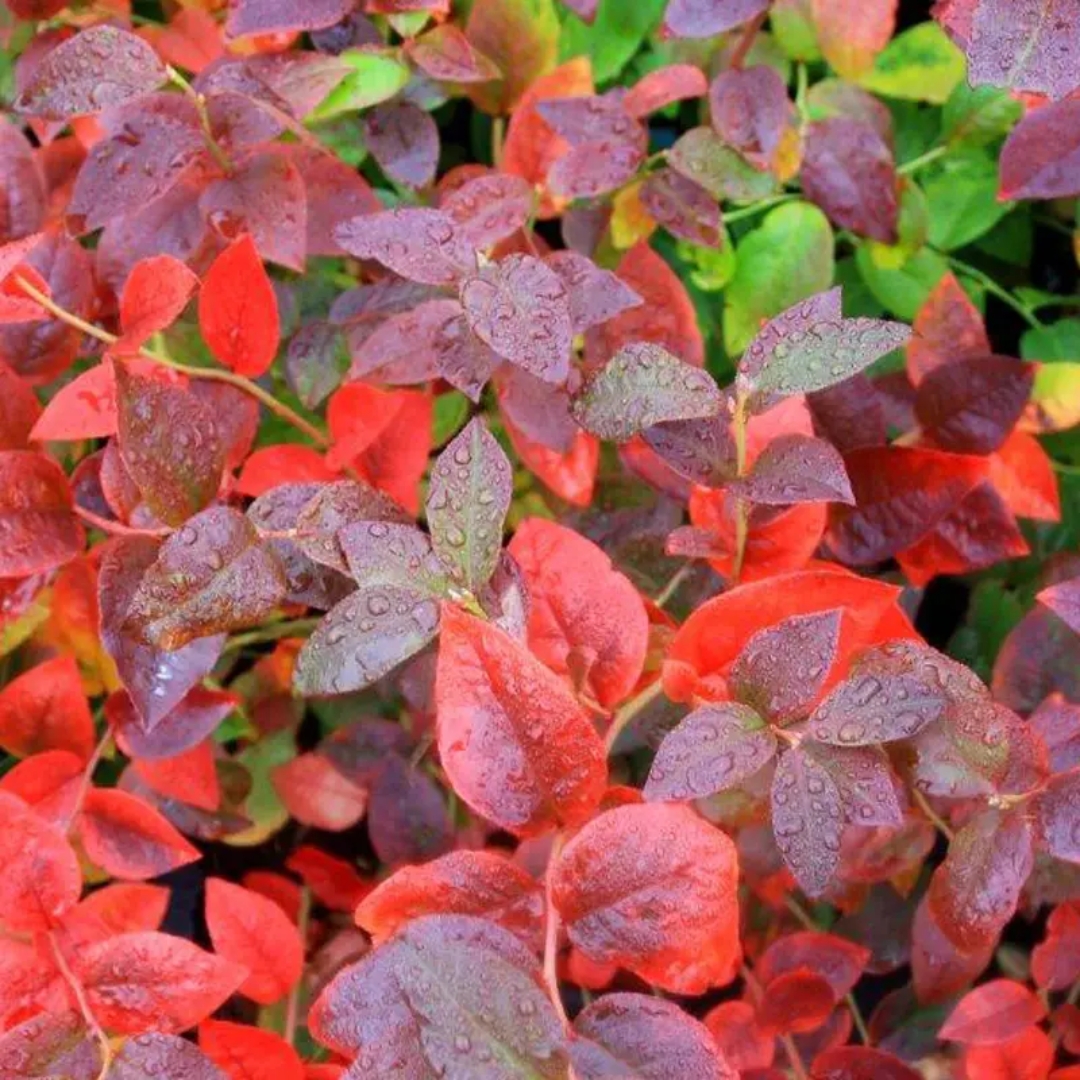
In spring, Bluecrop’s white bell‑shaped flowers, sometimes tinged with pink, cover the shrub and provide nectar for pollinators like bees, supporting a healthy garden ecosystem. These blooms quickly give way to fruit that typically ripens in mid‑season (often July). As autumn approaches, the foliage transitions to a vivid red, adding strong landscape color and interest even after fruiting is done. The stems and winter structure also contribute to visual appeal in the off-season.
Bluecrop’s upright, rounded habit generally reaches about 4–6 feet tall and 4–5 feet wide at maturity, offering substantial edible yield while still fitting comfortably into backyard edible gardens, shrub borders, hedges, or mixed plantings. It thrives in USDA Hardiness Zones 4–8, making it suitable for a broad range of climates from the Mid‑Atlantic to much of the northern U.S. Its adaptability, disease resistance, and resilience under typical garden conditions make it a standout choice for both novice and experienced gardeners.
Care Instructions:
Planting: Choose a site with full sun exposure. It should receive at least 6–8 hours of direct sunlight daily for best fruit production and foliage color.
Soil: Plant in acidic, well‑drained, fertile soil (ideal pH ~4.5–5.5). Blueberries do not tolerate poorly drained or alkaline soils.
Watering: Water deeply and regularly during establishment and dry periods to keep soil evenly moist but not waterlogged.
Fertilizing: Apply an acid‑forming fertilizer formulated for blueberries or other acid‑loving plants in early spring before new growth begins.
Mulching: Apply a 2–3″ layer of organic mulch (e.g., pine bark or pine needles) around the base to conserve moisture, suppress weeds, and maintain soil acidity. Keep mulch a few inches from stems.
Pruning: Prune in late winter or early spring while dormant to remove dead wood and encourage vigorous new canes. Remove spent canes after harvest to encourage new fruiting growth.
Spacing: Space plants about 3–4 ft apart to allow airflow and room for mature growth.
Maintenance: Monitor soil pH, moisture, and general plant health. Mulch annually and prune as needed.
Pollinator Required: Yes. This plant is self‑fertile, but planting two or more varieties that bloom at the same time improves yield and berry size. Duke and Elliot Blueberries make excellent companion plants.
Whether planted for abundant berries, seasonal foliage appeal, or wildlife value, Bluecrop Blueberry delivers multi‑season interest and reliable performance. Its combination of ornamental features and edible bounty make it a versatile and valuable addition to edible landscapes, pollinator gardens, and decorative borders where fruit production and beauty are both desired.