

Red Delicious Apple
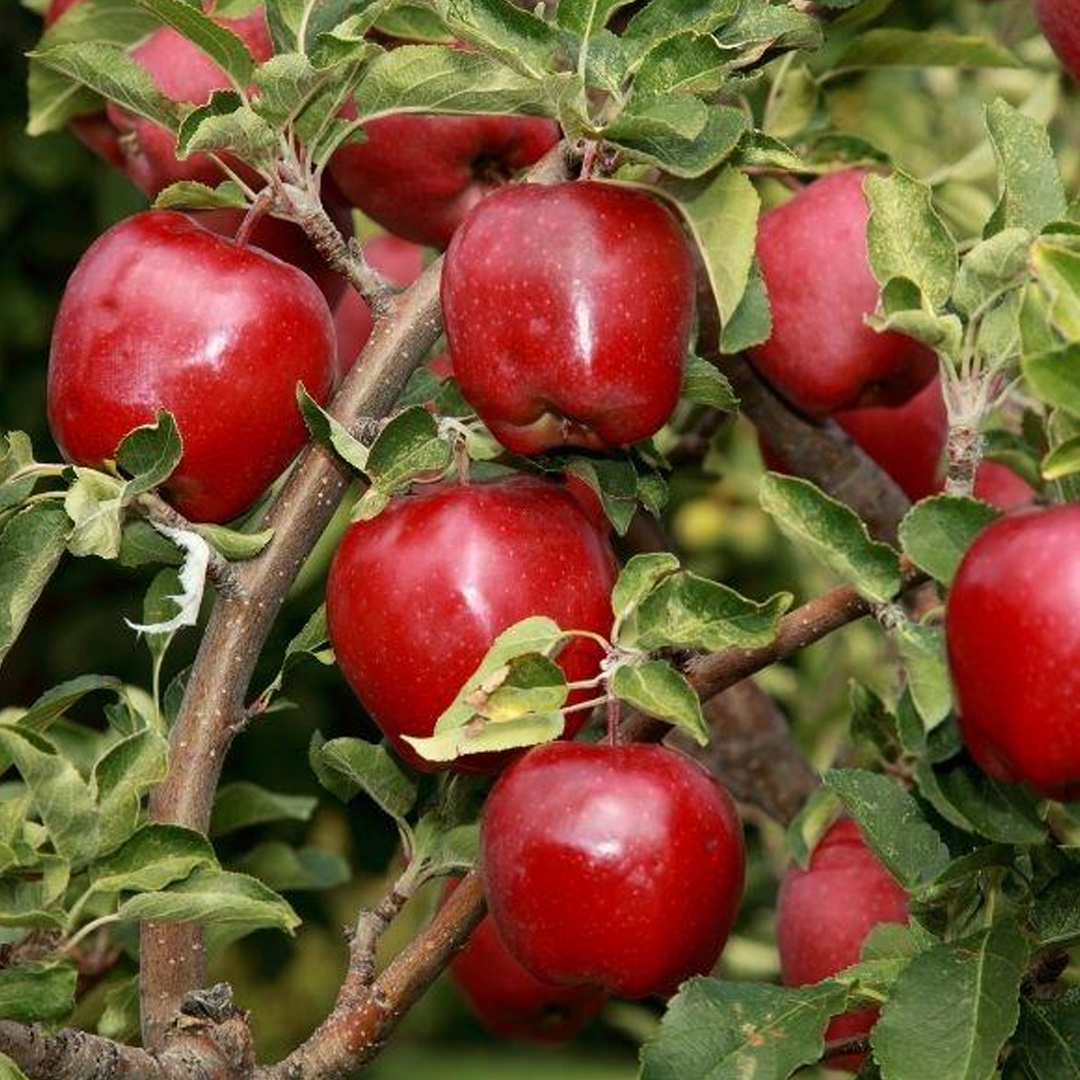
Malus x domestica 'Red Delicious'Red Delicious Apple is one of the most iconic and widely recognized apple cultivars in the world, cherished both for its classic deep‑red fruit and its sweet, mild flavor that is especially rewarding when grown at home. This beloved apple variety was discovered as a chance seedling in the late 19th century in Iowa and has since become a staple in home orchards and edible landscapes across temperate regions. Homegrown Red Delicious apples are known for their crisp, juicy texture and distinct sweetness, qualities that supermarket fruit often fails to deliver due to early harvesting and long storage, making the home orchard experience especially satisfying.
In early to mid‑spring, Red Delicious Apple produces an abundance of fragrant white to pinkish‑white flowers that attract honey bees and other beneficial pollinators to the garden, laying the groundwork for a heavy fruit set. As the growing season progresses, the tree develops a well‑structured canopy of lush green foliage that offers visual interest through summer and supports prolific fruiting. By late summer to early fall, Red Delicious trees yield medium to large apples with a smooth, shiny crimson skin and crisp, mildly sweet flesh. The fruit is ideal for fresh eating, lunchboxes, salads, and dessert dishes, and also stores well when kept cool and humid.
Care Instructions:
Planting: Choose a location with full sun exposure. At least 6–8 hours of direct sunlight daily for best flowering and fruiting.
Soil: Plant in enriched, well‑drained soil. Amend poor or compacted soils with organic matter, such as compost, to improve structure and fertility.
Watering: Water deeply and regularly during the first few growing seasons to establish a healthy root system. Once established, water during extended dry periods while avoiding waterlogging.
Fertilizing: Apply a balanced, slow‑release fertilizer in early spring before new growth begins. Monitor tree vigor and supplement feeding as needed in subsequent seasons.
Pruning: Prune in late winter or early spring while dormant to remove dead or crowded wood, promote an open canopy, and improve sunlight penetration and airflow.
Thinning: Thin fruit in late spring after fruit set to prevent overcrowding, which can improve individual apple size and reduce branch stress.
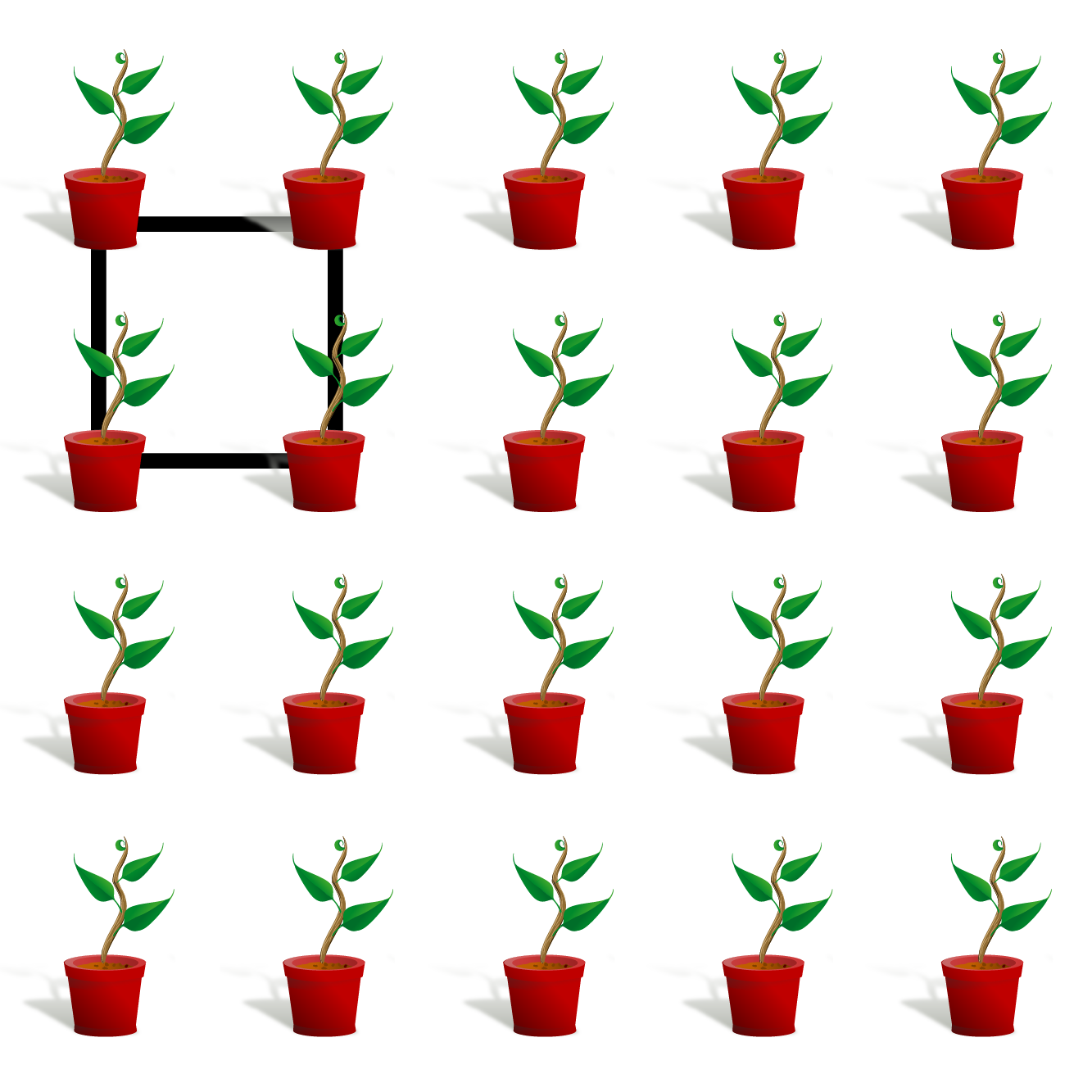
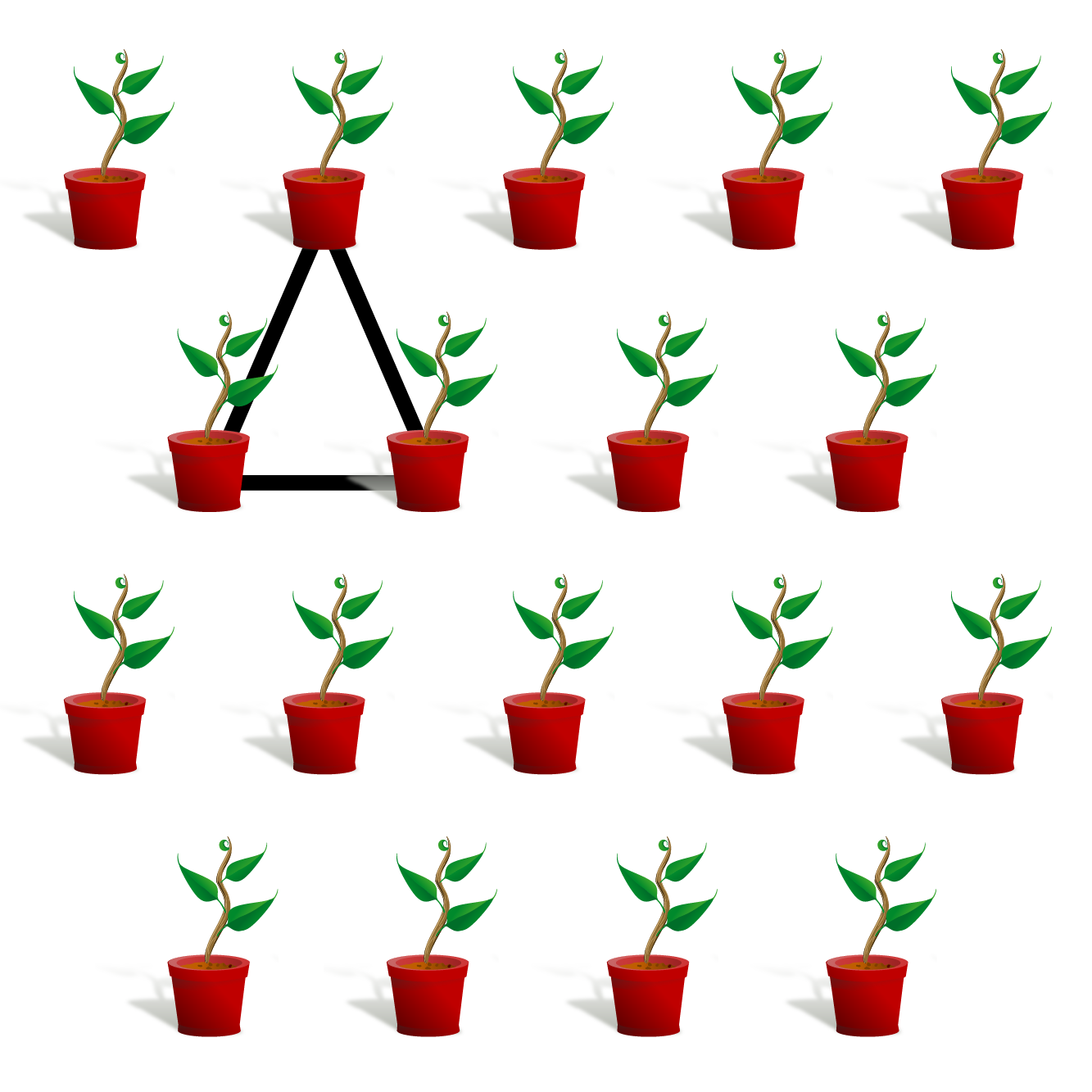
Spacing: Space trees 12–15 ft apart for semi‑dwarf trees and 15–20 ft apart for standard trees to allow adequate room for mature growth, airflow, and harvest access.
Maintenance: Mulch annually to conserve moisture and suppress weeds, monitor for pests and diseases, and manage canopy shape through pruning.
Pollinator Required: Yes, this variety is not self‑fertile. For reliable fruit set, plant with compatible apple varieties that bloom at the same time such as Gala, Fuji, Golden Delicious, Honeycrisp, Granny Smith, or Liberty.
Red Delicious Apple trees generally exhibit a moderate, upright growth habit, typically reaching around 12–16 feet tall with a similar spread at maturity, though size can vary based on rootstock and pruning practices. These trees perform best when planted in a sunny location with well‑drained, fertile soil, and when given consistent care that promotes strong root development and balanced growth. While Red Delicious is not self‑fertile and requires cross‑pollination to produce abundant fruit, it blooms mid‑season and is compatible with many other apple cultivars that flower at the same time (such as Gala, Fuji, Golden Delicious, Honeycrisp, Granny Smith, or Liberty) making it a valuable component of multi‑variety orchard plantings.