

Brown Turkey Fig
Ficus carica ‘Brown Turkey’ (Fig), Fig 'Brown Turkey', Ficus carica 'Negro Largo', Ficus 'Italian Brown', Ficus carica 'Texas Everbearing' Ficus 'Italian Brown'The Brown Turkey Fig is one of the most popular and dependable fig varieties for home landscapes, valued for its adaptability, consistent productivity, and sweet, richly flavored fruit. This classic fig has earned its reputation as an excellent choice for gardeners seeking a low-maintenance edible tree with strong ornamental appeal. Its broad leaves, spreading form, and reliable fruiting make it a standout in both traditional orchards and mixed residential plantings.
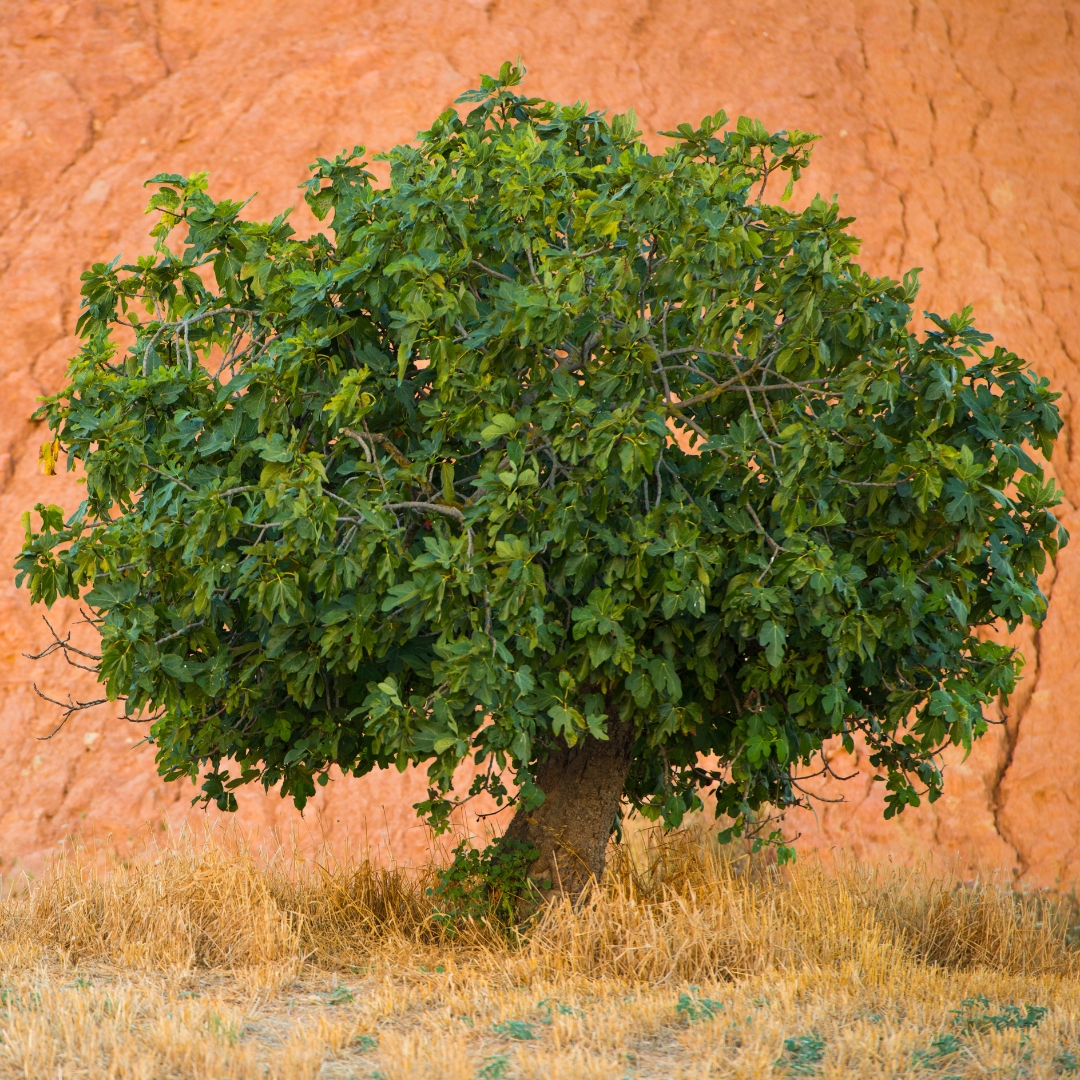
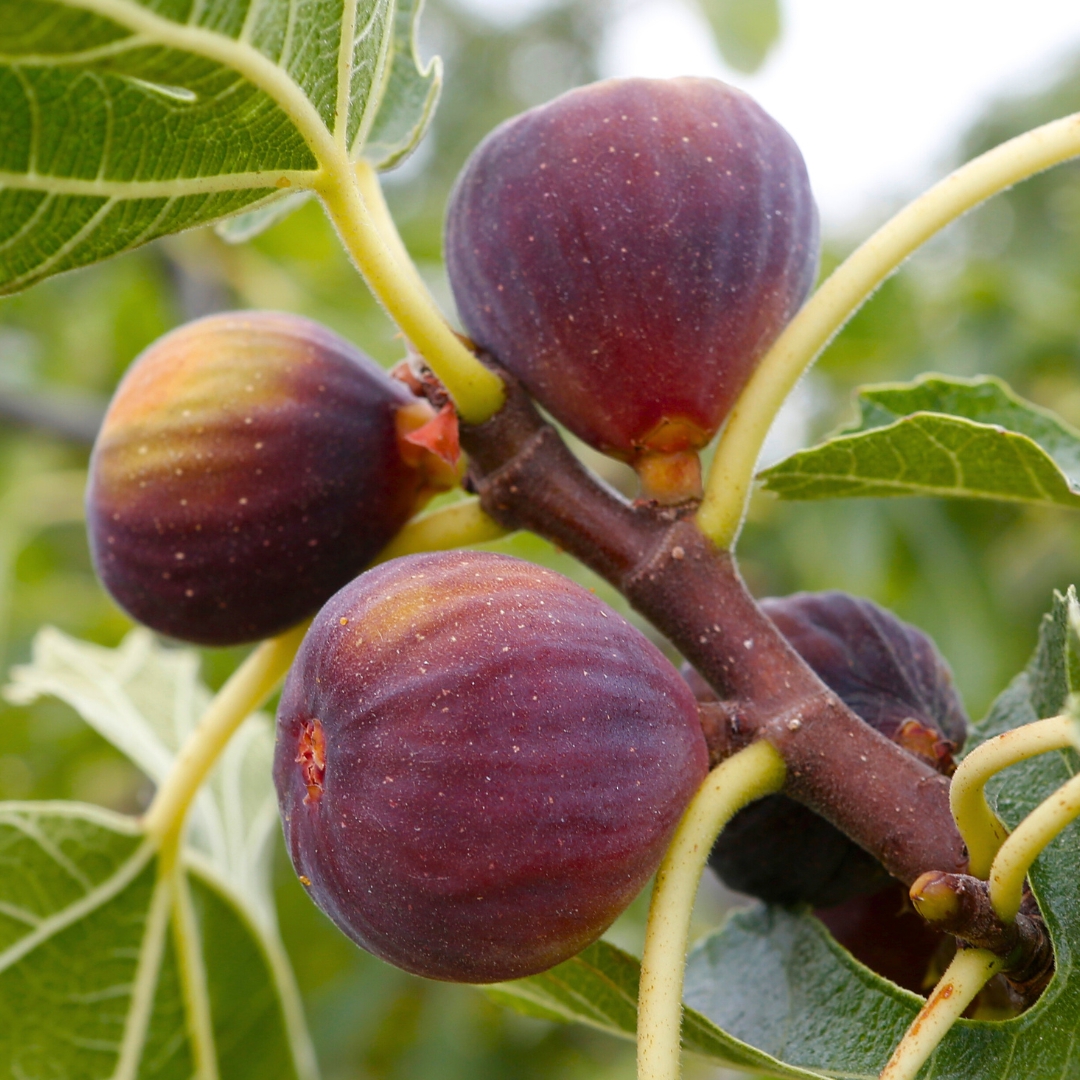
In late spring, Brown Turkey Fig leafs out with large, deeply lobed green foliage that creates a lush, tropical appearance in the garden. The dense canopy adds bold texture and visual interest throughout the growing season while also providing light shade. As summer advances, pear-shaped figs begin forming along the branches, maturing into medium to large fruits with purplish-brown skin and soft, rosy flesh. The fruit is sweet, mild, and aromatic, making it ideal for fresh eating, drying, baking, and preserves.
This variety is especially prized for its reliable fruiting habits. In warmer climates, Brown Turkey Fig may produce two crops each season, including an early breba crop followed by a heavier main crop on new wood. In cooler regions, it still performs well when planted in a protected, sunny location. Its forgiving nature and steady yields make it an excellent choice for both new gardeners and seasoned fruit growers.
Brown Turkey Fig typically reaches 10–20 feet tall and wide at maturity, though it can be maintained at a smaller size through pruning. It can be grown as a small tree or a multi-stemmed shrub and adapts well to patio containers when young. This flexibility allows it to fit easily into small gardens, edible landscapes, or as a specimen plant where space is limited.
Care Instructions:
Planting: Select a location with full sun exposure to encourage strong growth and optimal fruit production.
Soil: Plant in well-drained soil. This fig tree is adaptable to a range of soil types but performs best in loamy conditions.
Watering: Water regularly during establishment; once established, provide supplemental water during prolonged dry periods.
Fertilizing: Fertilize lightly in spring. Avoid excess nitrogen, which can reduce fruit production.
Pruning: Prune in late winter or early spring to control size and shape. Fruit is produced on new growth.
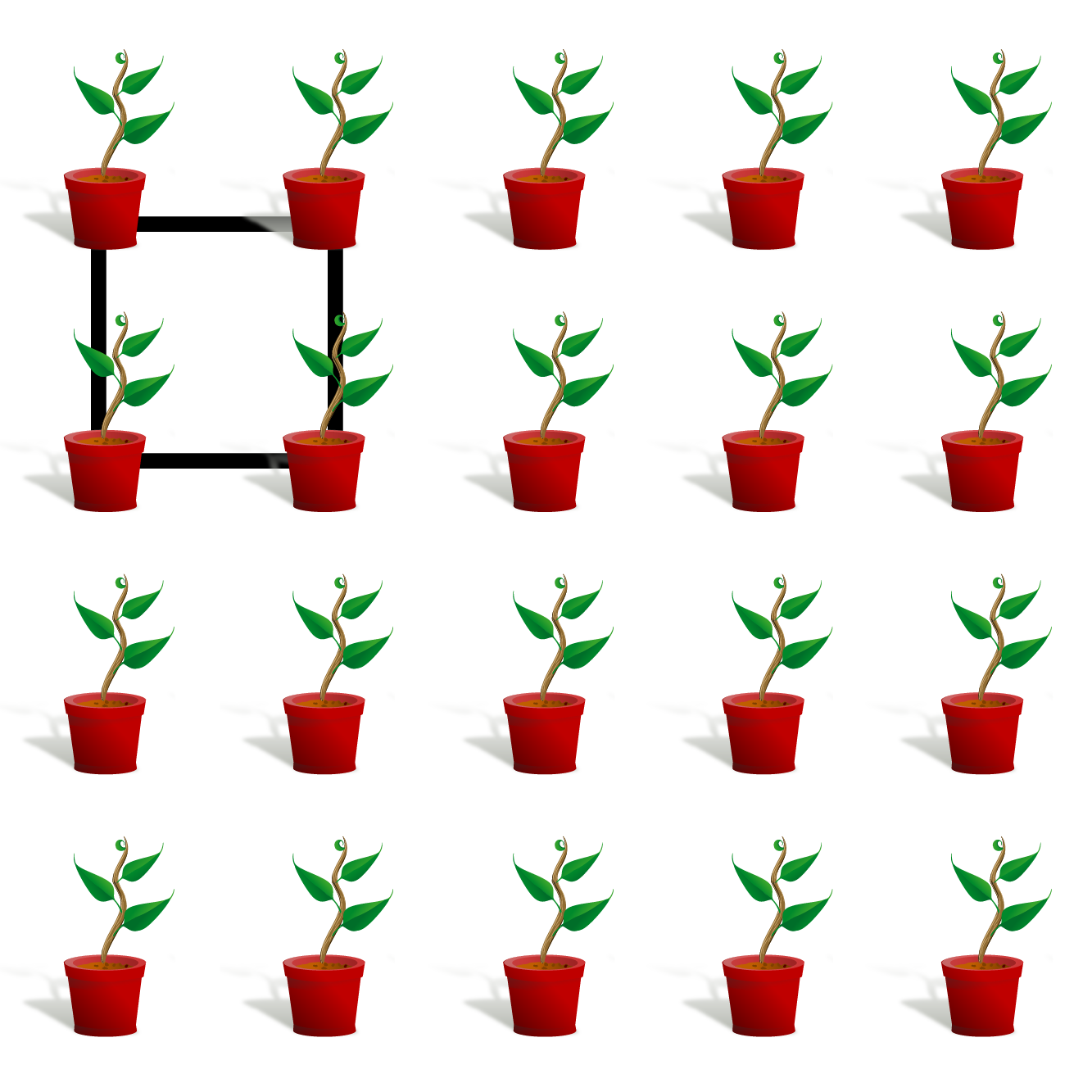
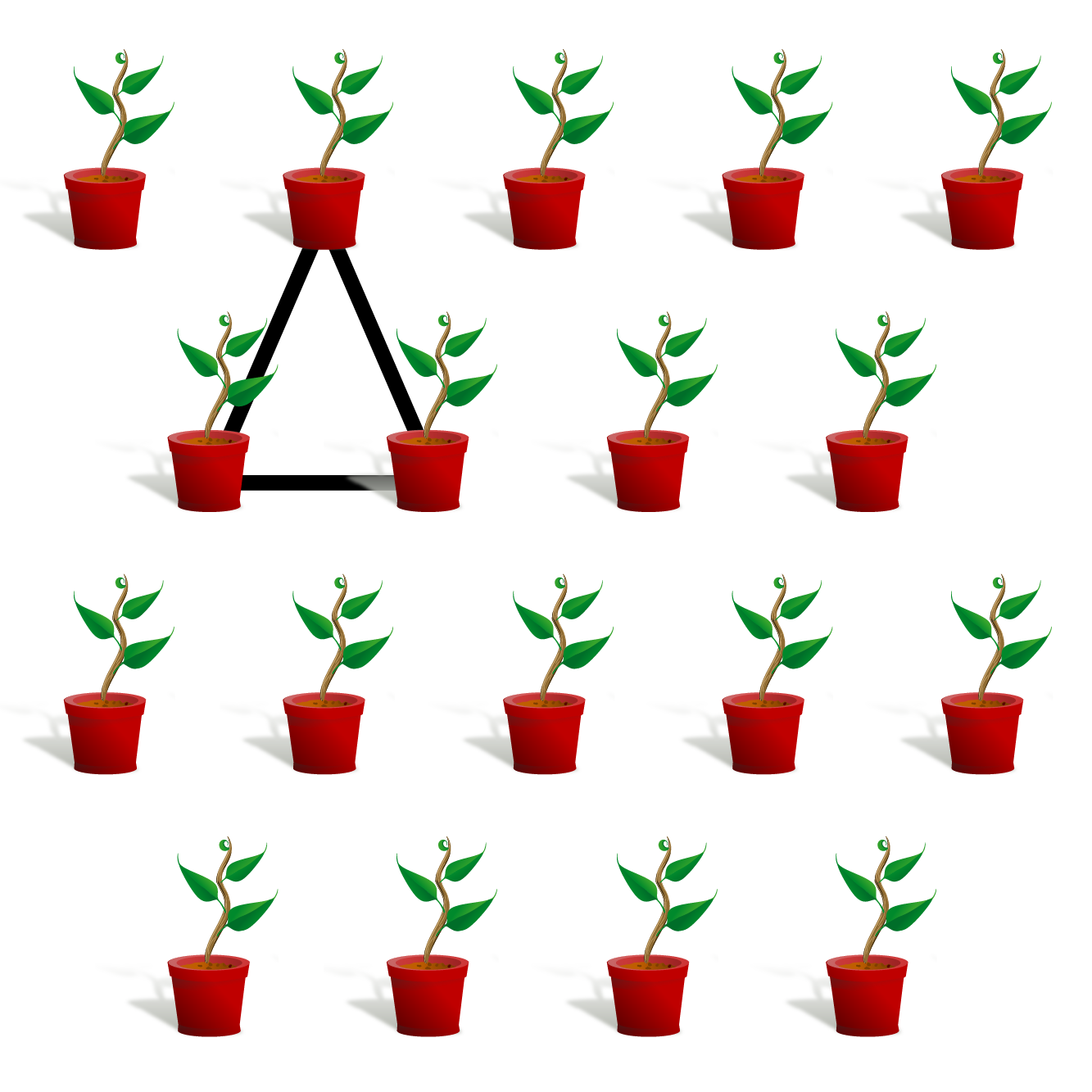
Spacing: Space plants 10–20 ft apart depending on desired mature size and growth habit.
Maintenance: Mulch annually to conserve moisture and protect roots.
Pollinator Required: No, this plant is self-fertile. It does not require a pollinator to produce fruit.
Thriving in full sun and well-drained soil, the Brown Turkey Fig rewards proper placement with vigorous growth and abundant fruit production. With seasonal care and occasional pruning, it provides long-term performance and dependable harvests, making it a timeless and rewarding addition to home gardens.